Blue Ash Mole Removal Specialists in Ohio
Protecting Blue Ash homes and Hamilton County properties from Eastern Ground Moles. Fully insured. No poisons. Humane mechanical trapping for established Greater Cincinnati suburbs.
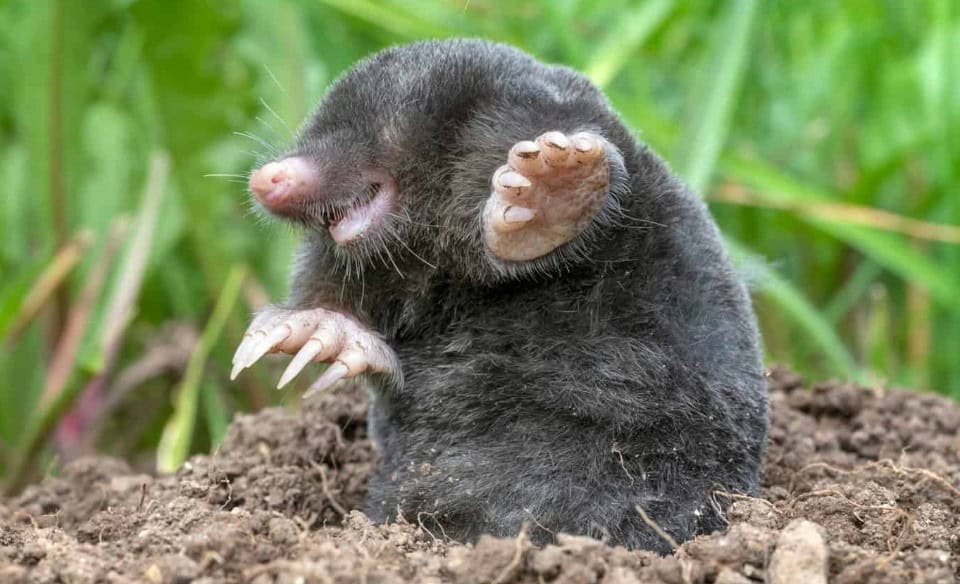
Why Blue Ash Homeowners Choose Trap Your Moles
Mole removal is the core of what we do, not a line on a pest-control menu. Our process is built around the clay-loam ridges and hillsides of the Ohio River basin, where tunnels run shallower than the books say, which is what decides where a trap actually goes in Blue Ash. We serve all of Blue Ash and the Reed Hartman corporate corridor, including Hunt Club Lane, Cooper Road, Pfeiffer Road area, and the Blue Ash Golf Club neighborhoods.
Local Knowledge, Blue Ash Specific
Blue Ash sits in northeast Hamilton County, an affluent suburb known for manicured residential lawns and a major corporate corridor (GE Aviation headquarters, Cincinnati Bell, Procter & Gamble offices, and dozens of other Fortune 500 satellites). The combination of premium irrigated lawns, mature tree canopy, and clay-loam soil creates ideal habitat for Eastern Ground Moles (Scalopus aquaticus). Blue Ash properties typically have the lawn care investment that supports robust earthworm populations, which directly supports higher mole densities than less-developed suburbs. We've adapted our methods to Blue Ash's property standards.
We service every Blue Ash neighborhood and surrounding area:
What Sets Us Apart
Mole Specialists
Not generic pest control. We've spent years perfecting mole-specific techniques for the Hamilton County region.
100% Humane
No poisons. No toxic chemicals. No risk to your pets, kids, garden, or local wildlife. We show you exactly where traps are placed.
Aggressive & Consistent
We read the hillside runs and irrigation lines first, because on this terrain that is where a missed tunnel costs the most.
Mole and Wildlife Challenges Unique to Blue Ash
Mole problems in Blue Ash look different from mole problems in other regions. Here's what we see most often, and how we handle it.
Corporate Corridor and Commercial Property Density
Blue Ash hosts one of Cincinnati's densest corporate corridors. GE Aviation, Cincinnati Bell, and numerous Fortune 500 offices have campus grounds where mole damage becomes a brand and aesthetic issue requiring discreet professional remediation.
We work with corporate facilities teams and property managers across Blue Ash. After-hours and weekend scheduling available. Detailed service reports for facilities documentation.
Premium Irrigated Lawns Drive Mole Populations
Blue Ash homeowners invest heavily in lawn care: professional fertilization, irrigation systems, premium turf, regular aeration. Those practices increase organic matter and earthworm populations, which sustain higher mole densities than typical suburbs.
We don't ask Blue Ash homeowners to compromise lawn programs. We deploy aggressive trapping that keeps up with the higher mole pressure. Recurring monitoring makes sense for premium properties.
Year-Round Mole Activity (No Hibernation)
Blue Ash's mild winters and irrigated lawns extend the active mole season. Eastern Ground Moles never hibernate, and Blue Ash properties often see damage continue into January and February.
We trap year-round. Winter is productive because tunnel patterns become predictable. Schedule before spring damage compounds.
Sprinkler System Damage from Tunneling
Blue Ash homes routinely have professional irrigation systems with significant underground infrastructure. Mole tunnels damage main lines, sever zone wiring, and create leaks that destroy lawn areas before being noticed.
Initial assessment maps mole tunnels relative to known sprinkler infrastructure. We remove moles before they damage main lines or zone wiring.
Spring and Fall Peak Activity
Hamilton County rainfall peaks April through May and September through October. Wet soil drives earthworms (about 90% of a mole's diet) to the surface, creating sudden visible damage on premium Blue Ash lawns.
Increased monitoring frequency during peak season. Predictive scheduling means we're on-site before damage becomes severe.
Confusion With Voles, Chipmunks & Other Diggers
About half the "mole" calls in Blue Ash turn out to be voles, chipmunks, or other diggers. Manicured Blue Ash yards actually attract a wider variety of nuisance wildlife. DIY products marketed for moles rarely work on the other species.
Free identification visit. We tell you exactly what's destroying your lawn. See how we tell moles from voles or chipmunks.
Blue Ash Golf Club, Parks & HOA Communities
Blue Ash Golf Club, Cooper Creek Park, Pfeiffer Park, and the HOA communities throughout the city all face mole damage as both an aesthetic and liability issue.
We work with property managers, HOA boards, and municipal grounds teams across Blue Ash. Custom contracts and detailed reporting available.
Wildlife Removal Services in Blue Ash
Mole removal is our specialty. Here are the other Blue Ash wildlife problems we routinely handle.
Mole Removal & Trapping in Blue Ash
The Eastern Ground Mole is our primary focus. Mechanical traps placed in active tunnels, monitored weekly until fully resolved.
Learn more →
Groundhog Removal in Blue Ash
Groundhog burrows under decks, sheds, and along foundations. Live trapping with permanent burrow closure.
Learn more →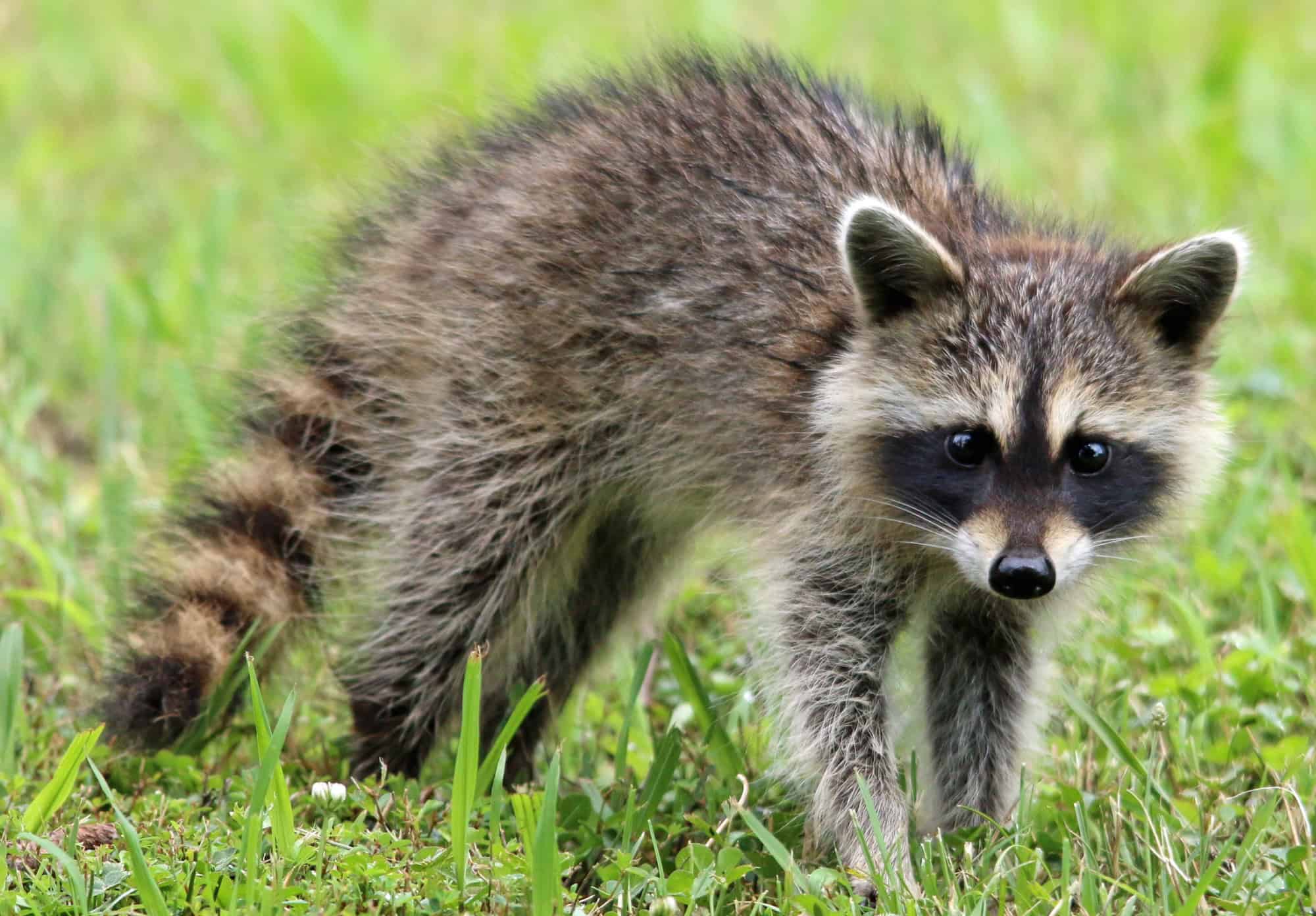
Raccoon Removal in Blue Ash
Blue Ash has a heavy raccoon population in mature tree neighborhoods and along the agricultural edges of Hamilton County.
Learn more →
Squirrel Removal in Blue Ash
Squirrels in attics and walls. Damage to insulation, wiring, and roof structures. Trapping plus structural exclusion.
Learn more →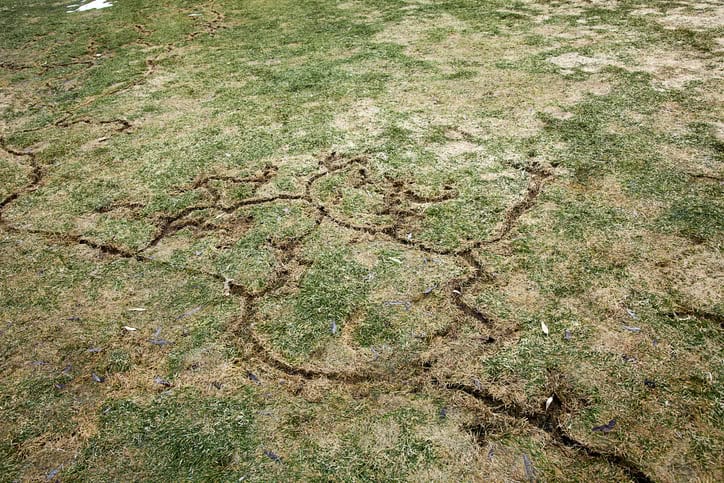
Vole Removal in Blue Ash
Voles destroy lawns and gardens but require different methods than moles. Many homeowners misidentify the damage.
Learn more →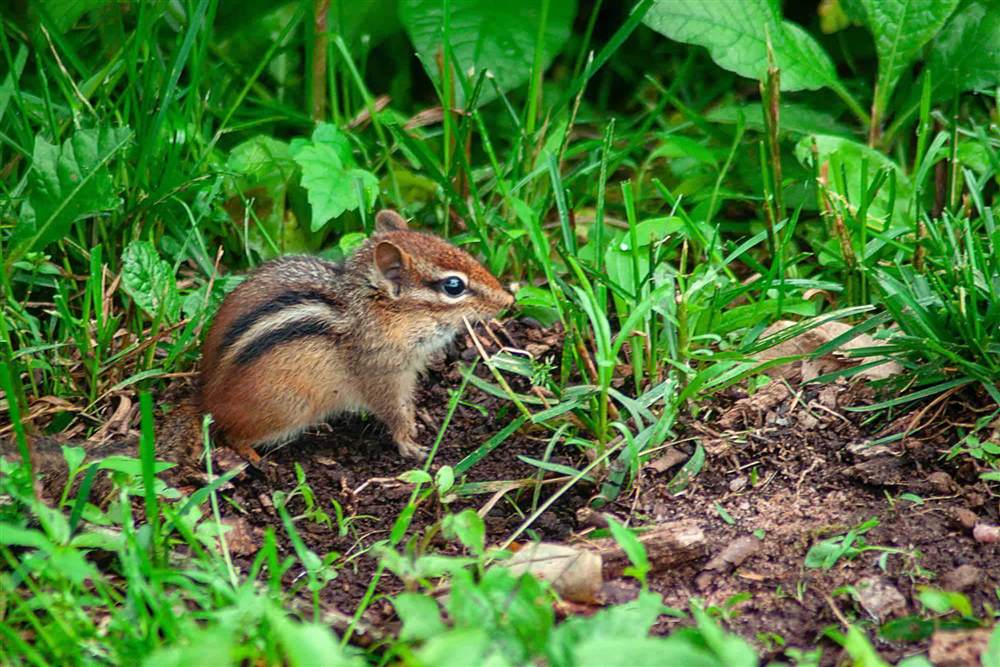
Chipmunk Removal in Blue Ash
Chipmunks burrow alongside foundations, walkways, retaining walls, and patios. Targeted live trapping.
Learn more →Call (513) 518-5639 if you're not sure what's digging up your lawn. We handle moles, groundhogs, raccoons, squirrels, voles, and chipmunks.
Our 4-Step Blue Ash Mole Removal Process
Free Property Assessment
We walk your Blue Ash property, identify the exact pest and active tunnel zones, and give you a written estimate before any work begins.
Strategic Trap Deployment
Mechanical traps placed in active tunnels at the optimal depth for Blue Ash clay-loam soil. Every trap clearly marked.
Weekly Monitoring & Reset
We return weekly to check traps, document catches, reset as needed, and verify activity reduction.
Final Inspection & Guarantee
Final inspection, re-entry points blocked, and a satisfaction guarantee. If moles return during service, we come back free.
Trap Your Moles Service Area Around Blue Ash
From our base in Batavia, we cover Blue Ash and the surrounding region.
Not sure if your Blue Ash area is in range? Call us. The answer is almost always yes.
Blue Ash sits in our densest coverage area. See every community we cover.
What We See on Blue Ash Properties
- Corporate corridor density requiring discreet remediation
- Sprinkler system damage from tunneling
- Golf courses and HOA community aesthetic concerns
Blue Ash is one of our Greater Cincinnati service areas. See every community we cover.
Blue Ash Mole Removal Questions
Get Your Free Blue Ash Mole Removal Estimate
Stop watching your Blue Ash lawn get destroyed. Free property assessment. No obligation. Fully insured. Humane methods.