Fort Thomas Mole Removal Specialists in Kentucky
Protecting Fort Thomas homes and Campbell County properties from Eastern Ground Moles. Fully insured. No poisons. Humane mechanical trapping for established Northern Kentucky suburbs.
Why Fort Thomas Homeowners Choose Trap Your Moles
Mole removal is the core of what we do, not a line on a pest-control menu. Our process is built around the moisture-holding river-corridor clay that keeps earthworm counts high year round, which is what decides where a trap actually goes in Fort Thomas. We serve all of Fort Thomas, including the historic Tower Hill area, Highland Avenue corridor, river bluff properties, and the borders with Newport, Bellevue, and Wilder.
Local Knowledge, Fort Thomas Specific
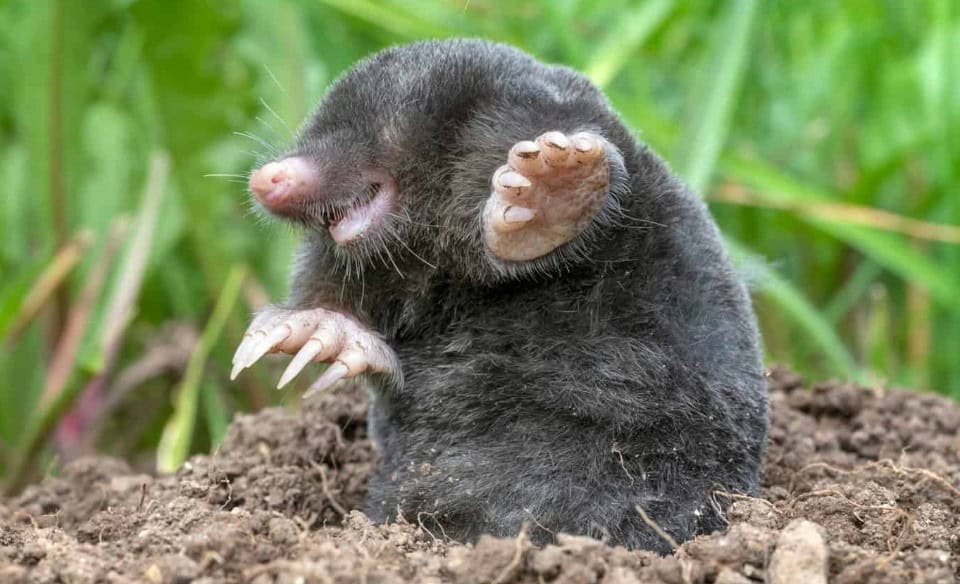
Fort Thomas is one of Northern Kentucky's most affluent and historic suburbs, perched on bluffs above the Ohio River. The community features turn-of-the-century homes, mature tree canopies that are among the most extensive in NKY, and properties along Highland Avenue and the historic Tower Hill area. Campbell County clay-loam soil and decades of established lawn care create textbook habitat for Eastern Ground Moles (Scalopus aquaticus). Fort Thomas lawns have supported mole populations for generations, meaning new homeowners often inherit deeply established tunnel networks. We've adapted our methods to Fort Thomas's historic character.
We service every Fort Thomas neighborhood and surrounding area:
What Sets Us Apart
Mole Specialists
Not generic pest control. We've spent years perfecting mole-specific techniques for the Campbell County region.
100% Humane
No poisons. No toxic chemicals. No risk to your pets, kids, garden, or local wildlife. We show you exactly where traps are placed.
Aggressive & Consistent
We trap through the winter here as a matter of course, because the river-corridor ground never hardens enough to stop the animal.
Mole and Wildlife Challenges Unique to Fort Thomas
Mole problems in Fort Thomas look different from mole problems in other regions. Here's what we see most often, and how we handle it.
Hamilton County Clay-Loam Soil and Shallow Tunneling
Fort Thomas sits on Ohio Valley clay-loam soils. Moles in clay tunnel shallower than in sandy regions, so surface ridges are more visible but tunnels are easier to misidentify. Inexperienced trappers place traps too deep, miss the mole, and waste weeks.
We map the typical tunnel depth profile for Fort Thomas's clay-loam soils and place traps at the optimal depth on the first visit.
Year-Round Mole Activity (No Hibernation)
Fort Thomas's mild winters mean Eastern Ground Moles never hibernate. They tunnel and feed every day of the year. Many homeowners assume mole damage stops in winter, then discover an extensive tunnel network when spring arrives.
We trap year-round. December and January are productive months because frozen ground forces moles into predictable tunnel patterns.
Spring and Fall Peak Activity
Campbell County rainfall peaks April through May and September through October. Wet soil drives earthworms (about 90% of a mole's diet) to the surface, creating sudden visible damage on Fort Thomas lawns.
Properties under our service contract get increased monitoring frequency during peak season.
Confusion With Voles, Chipmunks & Other Diggers
About half the "mole" calls in Fort Thomas turn out to be voles, chipmunks, or other diggers. Each requires a completely different removal strategy.
Free identification visit. See how we tell moles from voles or chipmunks.
Failed DIY Products From Big Box Stores
Fort Thomas hardware stores heavily promote castor oil repellents, ultrasonic spikes, and poison pellets. We're called in after these have failed roughly nine out of ten times.
Mechanical trapping is the only consistently proven method. If you've already tried DIY, we pick up where you left off.
Sprinkler Damage and Lawn Investment Protection
Fort Thomas properties often have irrigation systems and significant lawn care investment. Mole tunnels damage main lines, sever zone wiring, and create leaks that destroy lawn areas before being noticed.
We identify tunnels running near irrigation infrastructure and remove moles before they can sever main lines or zone wiring.
Historic Homes With Multi-Generational Mole Networks
Fort Thomas's century-old homes sit on lawns that have supported mole populations across multiple human generations. New homeowners frequently inherit 50+ feet of established tunnel networks that previous residents never resolved. The historic landscaping investment makes damage especially visible.
Fort Thomas historic property assessments focus on identifying multi-generational tunnel networks. We trap with the patience these properties require because established networks are deeper and more entrenched than fresh invasions.
Wildlife Removal Services in Fort Thomas
Mole removal is our specialty. Here are the other Fort Thomas wildlife problems we routinely handle.
Mole Removal & Trapping in Fort Thomas
The Eastern Ground Mole is our primary focus. Mechanical traps placed in active tunnels, monitored weekly until fully resolved.
Learn more →
Groundhog Removal in Fort Thomas
Groundhog burrows under decks, sheds, and along foundations. Live trapping with permanent burrow closure.
Learn more →
Raccoon Removal in Fort Thomas
Fort Thomas has a heavy raccoon population in mature tree neighborhoods and along the agricultural edges of Campbell County.
Learn more →
Squirrel Removal in Fort Thomas
Squirrels in attics and walls. Damage to insulation, wiring, and roof structures. Trapping plus structural exclusion.
Learn more →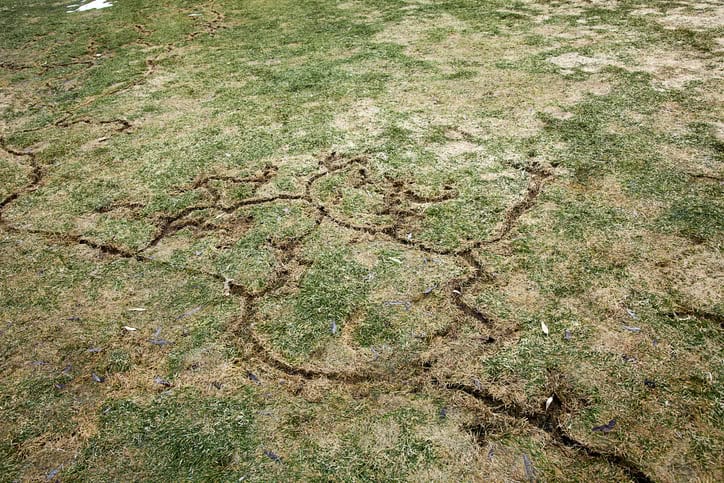
Vole Removal in Fort Thomas
Voles destroy lawns and gardens but require different methods than moles. Many homeowners misidentify the damage.
Learn more →
Chipmunk Removal in Fort Thomas
Chipmunks burrow alongside foundations, walkways, retaining walls, and patios. Targeted live trapping.
Learn more →Call (513) 518-5639 if you're not sure what's digging up your lawn. We handle moles, groundhogs, raccoons, squirrels, voles, and chipmunks.
Our 4-Step Fort Thomas Mole Removal Process
Free Property Assessment
We walk your Fort Thomas property, identify the exact pest and active tunnel zones, and give you a written estimate before any work begins.
Strategic Trap Deployment
Mechanical traps placed in active tunnels at the optimal depth for Fort Thomas clay-loam soil. Every trap clearly marked.
Weekly Monitoring & Reset
We return weekly to check traps, document catches, reset as needed, and verify activity reduction.
Final Inspection & Guarantee
Final inspection, re-entry points blocked, and a satisfaction guarantee. If moles return during service, we come back free.
Trap Your Moles Service Area Around Fort Thomas
From our base in Batavia, we cover Fort Thomas and the surrounding region.
Not sure if your Fort Thomas area is in range? Call us. The answer is almost always yes.
Fort Thomas is one of our Northern Kentucky service areas. See every community we cover. Full regional detail is on the Northern Kentucky page.
What We See on Fort Thomas Properties
- Multi-generational tunnel networks in historic homes
Fort Thomas is one of our Northern Kentucky service areas. See every community we cover.
Fort Thomas Mole Removal Questions
Get Your Free Fort Thomas Mole Removal Estimate
Stop watching your Fort Thomas lawn get destroyed. Free property assessment. No obligation. Fully insured. Humane methods.