The call usually comes in the evening, and it usually starts the same way. Somebody was sitting on their deck and heard something move underneath the boards they were sitting on. Or the dog has spent four nights pointed at one corner of the lattice and will not let it go. Or there is a smell coming up through the gaps in July that nobody in the house can place, and it is worse by the grill than anywhere else.
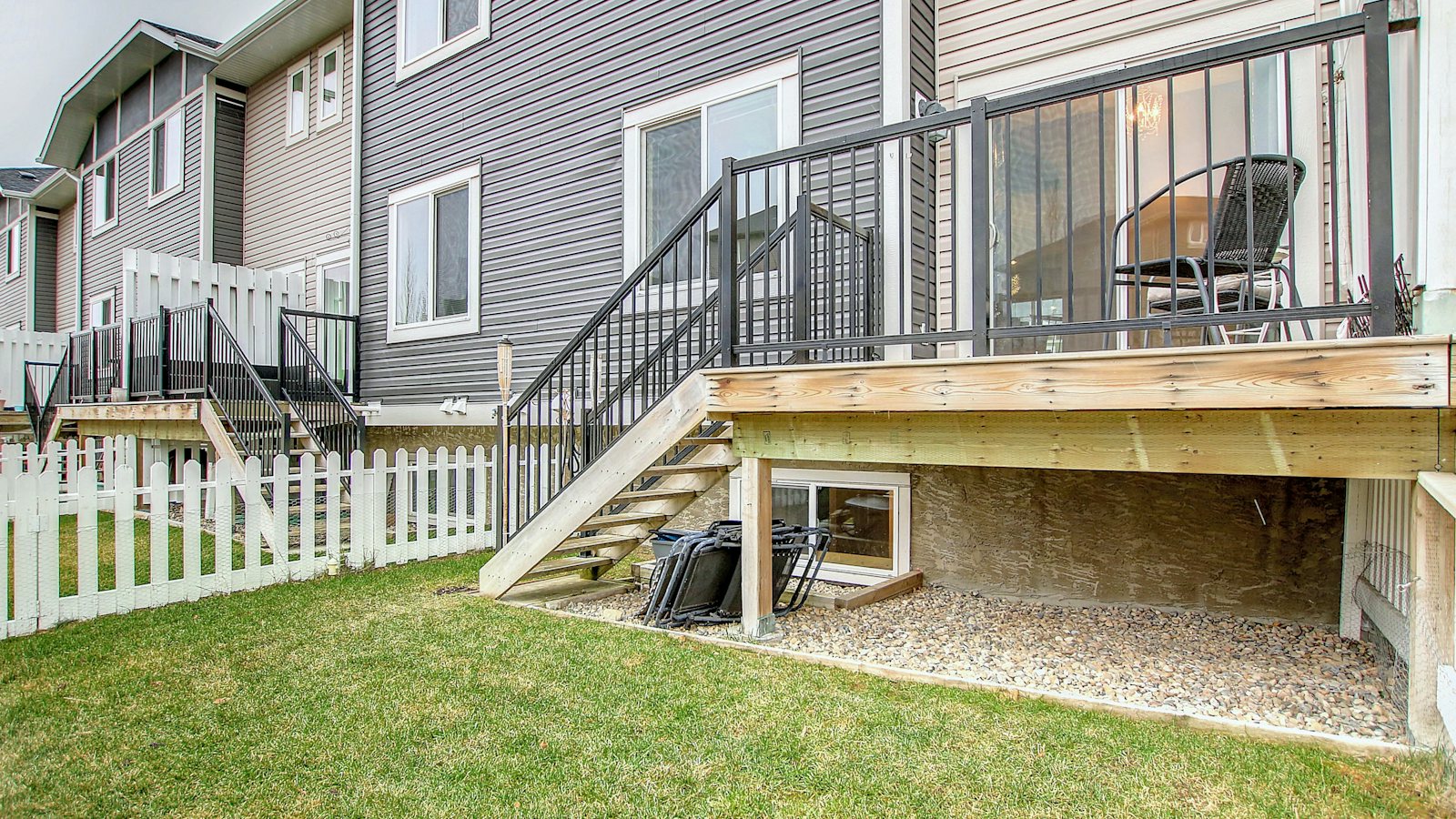
What follows is the job itself, under a deck specifically. The signs and the damage side of this are covered in the piece on raccoon damage in attics and under decks, and the attic version of the work has its own walkthrough. A deck is a genuinely different problem than an attic, and the reason is simple. An attic is a box with a floor. A deck is a roof over dirt. The animal under your deck can dig, and that single difference changes the tools, changes the sealing, and changes how anyone proves to you that it is actually over.
Key takeaways
- Getting a raccoon out from under a deck is a sequence, not one step: inspect and find every way in, confirm whether there are kits, get the animals out, then seal, then deal with what is on the ground down there.
- One way doors and live cage traps set at the active entry are the working tools, handled in line with state wildlife regulations. No poisons and no chemicals are involved in any part of it.
- A deck sits on soil, so sealing the gap you can see is not enough. A raccoon that wants back in will dig under a new lattice panel in a night, which is why the barrier has to go below grade.
- From roughly late winter into early summer, assume there is a litter under there until an inspection says otherwise. Kits cannot follow a mother out through a one way door, so a litter changes the whole sequence.
- The trapping work is mechanical, which makes it safe around kids and pets. The droppings are the actual hazard here, and under a deck the latrine sits at ground level where the dog goes.
- Trap Your Moles is licensed and insured and works raccoons across Greater Cincinnati, Dayton, Northern Kentucky and Southeast Indiana. Free phone estimate at 513-518-5639, no sales visit needed.
How do you get a raccoon out from under a deck?
By confirming what is under there and whether it has young, then letting the animal leave on its own through a one way door over the active entry, or taking it in a live cage trap at that entry. Only once the space is confirmed empty does anything get closed up, and that closure has to go below grade.
The order matters more than the hardware. Almost every repeat job we get called back to on a deck is a job where somebody did the right things in the wrong sequence, usually because the visible hole was the only part of the problem they could see from the lawn.
Here is what the work actually looks like. Somebody walks the full perimeter of the deck and finds every point where an animal is getting under it, not just the obvious one. That person decides whether what is under there is one adult passing through, a resident animal, or a female with a litter. The animals come out, either on their own through a one way door or in a live trap at the entry. Then, and only then, the perimeter gets closed properly, which on a deck means a barrier that goes into the ground rather than a panel tacked across a gap. Last, somebody deals with the soil and the waste that accumulated while all of this was going on.
Skip step one and you will close the wrong hole. Skip step two and you seal babies under a structure you cannot reach into. Skip step four and the smell stays all summer. We service this work across Cincinnati, out through the river towns, and north into the Dayton suburbs, and the sequence does not change with the zip code.
What does the inspection actually look for under a deck?
Every opening around the full perimeter, not just the one you noticed. A worn primary entrance, secondary digs, flattened runways in the grass, hair caught on joists or lattice edges, a latrine area, and above all whether there are dependent kits down there. That last question decides the entire plan.
The primary entrance is usually easy once you know what you are looking at. Raccoons are heavy and they use the same route every night, so the soil at a real entrance is packed smooth and slightly dished, with the grass worn off a foot or two out from it. Lattice gets pushed in at one corner and stays pushed in. If the deck has skirting boards, one of them will have a gap at the bottom edge that is rounded instead of square, because the animal has been rubbing past it twice a night for weeks.
What people miss is everything else. A raccoon that has lived under a deck through a wet spring often has more than one way in, especially where a downspout has washed out the soil at a corner post, or where concrete steps have settled away from the house and left a slot nobody has looked at since the deck was built. Pea gravel beds along a foundation are another one. The gravel moves easily, so a dug entrance there closes up visually after a few days and reopens the next night.
The other thing an inspection reads is whether the animal is living under there or just using it. Hair on the underside of a joist at a consistent height, a packed resting spot up against the foundation where it is warmest, and a latrine all say resident. Raccoons concentrate their waste in one place and go back to it, which is useful to us and unpleasant for you, because under a deck that latrine is at ground level in a space your dog can usually reach.
How does a one way door work on a deck?
It is a frame fitted tightly over the active entry with a gate that swings out and not back. The raccoon leaves on its own schedule to feed and cannot return. It only works when every other opening is already closed and when there are no dependent young inside, which is why the inspection comes first.
The tool itself is simple. The skill is in two things people underestimate.
The first is the fit. A one way door that is merely close to tight is a door a raccoon goes around. On a deck you are fastening to whatever is actually there, which might be a lattice frame, a skirting board, a rim joist, or a gap between a stone edge and the soil. The frame has to seal to that surface, and the surface has to be solid enough to hold against an animal that is strong, patient, and genuinely annoyed about being locked out of a den it likes.
The second is that the door is useless unless it is the only way in. This is where deck jobs come apart. A raccoon locked out of the front entrance will walk the whole perimeter the same night and find the washed out corner the homeowner never noticed. So the sequence is close everything else first, hang the door last, then watch it. That is also why we come back rather than hanging a door and calling it finished. The verification matters as much as the install.
One honest note on what the door can and cannot do. A one way door moves an animal that is capable of walking out. A litter is not capable of walking out. That is the hard line in this whole category of work.
Why does the time of year change the whole job?
Because from roughly late winter into early summer a raccoon denning under a deck is very often a female raising young. Kits cannot follow a mother out through a one way door, so a removal that ignores them is a removal that seals dependent animals under your deck. The inspection has to settle it before any door goes up.
Spring is when this topic stops being a nuisance question and becomes a timing question. A dry, enclosed, defensible space with one entrance is close to a perfect substitute for a hollow tree, which is why a deck gets picked in the first place. It is also why it gets picked by females specifically.
What changes with a litter is the sequence, not the ethics of the tools. A standard one way door removal is off the table while there are dependent young, because the young cannot use the door. The handling from there depends on what the inspection finds and on the wildlife regulations that apply where the work is being done. On the Kentucky side we hold the license to trap raccoons, so that work is carried out in line with Kentucky wildlife regulations, and the same answer applies in reverse across the river. What we will not do is tell you in advance that a litter is a simple problem. It is not, and anybody quoting you a one visit answer on a spring deck job has not looked under it yet.
The practical version for a homeowner is this. If it is March, April or May and something is denning under your deck, do not buy a door and do not stack stone across the gap. Get somebody to look first.
Can you just block the hole with lattice or stone?
No, and it is the most common do it yourself fix we come behind. A deck sits on soil, so an animal shut out of a den it wants simply digs a new entrance beside your new panel, often the same night. A closure that holds has to continue below grade, not just across the gap you can see.
Everybody tries this, and it makes sense right up until you remember what the animal is standing on. Lattice and stacked flagstone are surface fixes. A raccoon is a strong digger with good hands and a reason to get back in, and the ground alongside a deck post is loose because the deck was built there.
A closure that actually holds is a buried barrier. The material continues down into the soil and then turns outward away from the deck, so an animal that starts digging at the edge meets the barrier again at the bottom of its own hole and quits. How deep and how far out depends on the deck, the grade, and what the soil is doing at that corner, which is why this is a measure on site job and not a number we can quote you over the phone.
There is also the timing trap, and it is the expensive one. Sealing a deck before the space is confirmed empty does not solve anything. At best you have a frustrated animal opening a new entrance. At worst you have sealed an animal, or a litter, into a space under your living area with no way out, and now the problem is a dead animal under your deck boards in July instead of a live one. If you want the broader argument on why this whole category is not a do it yourself job, the older piece on professional raccoon removal services covers the safety side.
What has to happen to the ground under there afterward?
The latrine and contaminated material get removed and the den area gets sanitized rather than swept or hosed. Raccoon droppings can carry raccoon roundworm, and under a deck that waste sits at ground level within reach of pets and children, which is the part homeowners consistently underrate.
In an attic the contamination is up and away from people. Under a deck it is at knee height in a space a dog can crawl into and a kid can reach a ball into, which makes the cleanup step less optional than it sounds.
Raccoons return to the same latrine, so the waste is concentrated rather than scattered. Raccoon roundworm is a real health matter and it is the reason this is handled as decontamination with the right protection, rather than as a cleanup you do on a Saturday with a shop vac. Dried material raising dust in a tight space under a deck is exactly the exposure you want to avoid, so the advice we give homeowners is short: stay out of the space, keep pets and kids off that side of the yard until it is handled, and do not start pulling material out yourself.
Smell is the other half of it. If a den ran through a warm spell, the odor is in the soil and in the underside of the deck boards, not just in the waste you can see. Removing the material and treating the area is what stops it coming back up through the boards the next time it hits ninety degrees.
How long does it take, and how do you know it worked?
A straightforward lone adult is usually a span of days from the first visit to a sealed deck, because the animal leaves on its own schedule. A litter takes longer. You know it worked when the barrier is in, the entries stay undisturbed across repeat checks, and nothing new has been dug at the perimeter.
Anybody who gives you a firm number before looking under your deck is guessing. The honest range is driven by what the inspection finds. One adult, no young, one entrance: this moves quickly, because the only thing you are waiting on is the raccoon deciding to go out and eat. A litter, or a deck with three entrances and a washed out corner, is a longer job and should be described to you that way at the start.
Proof is the part to insist on. A sealed entry is not proof on its own, because the only thing that matters is whether anything is still getting under there. That means checking the perimeter again after the barrier goes in, looking for fresh digging at the edges, and confirming the material is still seated where it was put. On a deck that is a walk around, not a guess from the patio door.
We guarantee our removal work, which in practice means if something is still getting under there we come back and deal with it. If you want to see the full scope of what the work covers, the raccoon removal page lays it out. And if you have already caught something in your own trap and are standing in the yard wondering what to do next, do not open it or get close. Call us and look at trapped animal removal instead.
If something is denning under your deck right now, the fastest route is a phone call. Get a free phone estimate at 513-518-5639, no sales visit needed, and we will tell you honestly whether what you are describing sounds like a one adult job or a spring litter before anybody drives out.
Common Questions
How do you get a raccoon out from under a deck?
By inspecting the full perimeter first to find every opening and to confirm whether there are dependent kits, then removing the animals with a one way door fitted over the active entry or a live cage trap set at that entry, under state wildlife regulations. Only after the space is confirmed empty does the perimeter get closed, and on a deck that closure has to extend below grade because the animal is standing on soil and can dig.
Will a raccoon under a deck leave on its own?
Not reliably, and not on a schedule that helps you. A dry, enclosed space with one defensible entrance is a good den, so an animal that has chosen it will stay as long as it is undisturbed, and a female will stay through raising a litter. Meanwhile the latrine builds up at ground level and the digging continues at the posts. Waiting it out mostly means waiting through the damage.
Can I block the hole under my deck with lattice or stone?
It is the most common do it yourself fix and it usually fails within a night or two. A deck sits on loose soil, so a raccoon shut out of a den it wants simply digs a new entrance beside the new panel. A closure that holds continues below grade and turns outward, so a digging animal meets it again at the bottom of its own hole. Blocking the gap before the space is confirmed empty is also how animals get sealed in.
Is raccoon poop under a deck dangerous?
Yes, and under a deck it is closer to people than attic contamination is. Raccoons return to the same latrine, so the waste is concentrated, and raccoon roundworm is a genuine health matter. Because that latrine sits at ground level within reach of pets and children, the material gets removed and the area sanitized with the right protection rather than swept, hosed or vacuumed by the homeowner.
What happens if there are babies under the deck?
The sequence changes completely. Kits cannot follow a mother out through a one way door, so a standard door removal is off the table while there are dependent young, and using one anyway would seal them under the structure. What happens instead depends on what the inspection finds and on the wildlife regulations that apply where the work is being done. From roughly late winter into early summer, assume a litter until an inspection proves otherwise.
Photo by Doolin Fizzell on Unsplash