Professional Vole Removal in Cincinnati, Dayton & Northern Kentucky
Voles create unsightly surface tunnels that ruin lawns and damage plant roots. Our targeted removal and prevention strategies restore your yard permanently.
Why Trust Trap Your Moles for Vole Control
Humane & Proven
Trapping methods proven effective on rodents. Safe for pets, family, and the ecosystem. No poisons.
Lawn Restoration
We remove voles and show you how to repair tunneling, reseed damaged areas, and prevent return.
Habitat Control
Reduce grass cover, trim vegetation, and eliminate harborage to make yards less attractive to voles.
Licensed & Insured
Locally owned and trusted for over a decade. Family-operated with proven vole removal results.
Vole Damage: Signs to Look For
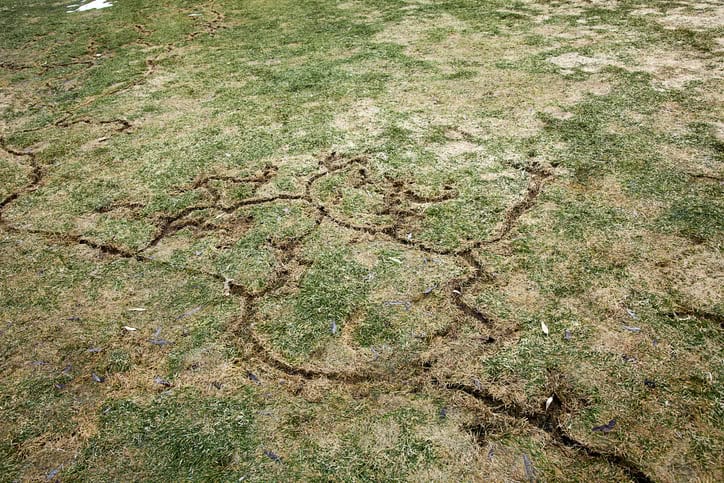
Voles create distinctive surface runways and tunnels that crisscross lawns like a tiny highway system. Look for visible surface tunnels, dead grass in runway patterns, and damage to plant roots and tree bark.
- Visible surface tunnels and runways
- Dead grass in tunnel patterns
- Damaged roots of trees and shrubs
- Gnawed bark at tree bases
- Destroyed garden beds and plantings
Our Vole Removal Process
Inspection & Mapping
We identify active tunnel systems, map vole runways, and assess damage to roots and vegetation throughout your yard.
Targeted Trapping
We place traps directly in active runways and tunnels to safely remove voles from your lawn.
Habitat Management
Reduce favorable habitat by trimming vegetation and creating less attractive conditions to prevent vole return.
Which Voles Damage Lawns Around Cincinnati and Dayton
Two kinds of vole do most of the damage we see in Southwest Ohio and Northern Kentucky, and they cause different problems.
Meadow voles: the surface runways
Meadow voles live in thick grass and ground cover. They clip the grass down to the soil and leave a network of runways about the width of a garden hose, often running from a landscape bed or a fence line out into the lawn. You see small open holes along those runways, with no dirt piled around them. That missing mound is the quickest way to tell a vole hole from a mole or chipmunk hole.
Pine voles: the damage you do not see
Pine voles stay mostly underground. They tunnel just under the surface and feed on roots, bulbs and the base of shrubs and young trees. The first sign is often a plant that wilts or tips over for no obvious reason, and when you pull on it, the roots are gone. Hostas, tulips and young fruit trees take the worst of it.
Why Vole Damage Shows Up in Late Winter
Voles do not hibernate. They keep feeding all winter, and under snow cover they can work the lawn without hawks or owls seeing them. When the snow melts, the runways they cut all winter appear at once, which is why so many vole calls come in February and March. Vole numbers also rise and fall in cycles, so a yard that never had a problem can have a bad year out of nowhere.
Protecting Trees and Beds While We Trap
- Pull mulch back a few inches from the trunks of trees and shrubs. Mulch piled against bark gives voles cover while they chew.
- Wrap young trees with a cylinder of quarter inch hardware cloth, set a few inches into the soil.
- Keep the grass along bed edges and fence lines mowed short, so runways have less cover.
- Plant bulbs in wire baskets in beds where voles have been a problem before.
We do not use poison bait for voles. Bait put out for voles gets eaten by other animals too, and a poisoned vole can be eaten by a pet, a hawk or an owl. Trapping in the active runways removes the voles that are doing the damage and nothing else. If you are not sure whether you have voles or moles, see our moles vs voles guide or our page on vole damage in the lawn, or just call and describe what you see.
Vole Removal Questions
Restore Your Lawn Today
Call for a free inspection. We'll assess tunnel damage, recommend a removal plan, and explain habitat control strategies with no obligation.