Springfield Mole Removal Specialists in Ohio
Protecting Springfield homes and Clark County properties from Eastern Ground Moles. Fully insured. No poisons. Humane mechanical trapping for established Greater Dayton suburbs.

Why Springfield Homeowners Choose Trap Your Moles
Mole removal is the core of what we do, not a line on a pest-control menu. Our process is built around the deeper, flatter topsoil of the Miami Valley, where runways travel further in a straight line, which is what decides where a trap actually goes in Springfield. We serve all of Springfield and Clark County, including Northridge, Park Layne, Enon, North Hampton, South Charleston, Crystal Lakes, and Pleasant Township.
Local Knowledge, Springfield Specific
Springfield sits in Clark County's rolling agricultural transition zone, where the Mad River cuts through silty clay loam soils that support exceptionally high earthworm populations. The mix of established city neighborhoods, larger suburban lots, and surrounding farmland creates a perfect corridor for Eastern Ground Moles (Scalopus aquaticus) to thrive year-round. Add Clark County's typical 40 inches of annual rainfall, mature lawns from the city's long history, and the agricultural runoff that enriches suburban soils, and you have prime mole habitat. We've adapted our trapping methods to Springfield's mix of urban, suburban, and rural-edge properties.
We service every Springfield neighborhood and surrounding area:
What Sets Us Apart
Mole Specialists
Not generic pest control. We've spent years perfecting mole-specific techniques for the Clark County region.
100% Humane
No poisons. No toxic chemicals. No risk to your pets, kids, garden, or local wildlife. We show you exactly where traps are placed.
Aggressive & Consistent
We map the full length of a runway before setting anything, because Miami Valley tunnels travel much further than most homeowners expect.
Mole and Wildlife Challenges Unique to Springfield
Mole problems in Springfield look different from mole problems in other regions. Here's what we see most often, and how we handle it.
Rural-Suburban Edge Creates Mole Corridors
Springfield's geography mixes city neighborhoods, suburban developments, and surrounding farmland in close proximity. That edge between agricultural fields and residential lawns creates a continuous mole habitat corridor. Properties bordering farms or open land often see repeated reinvasion from outside their property line.
For Springfield properties on the rural edge, we deploy perimeter trapping along the property boundary in addition to the active tunnel zones. This creates a buffer that catches new moles before they establish networks in your lawn.
Larger Lot Sizes, More Property to Cover
Springfield-area lots tend to be significantly larger than Cincinnati or Dayton properties, especially in Pleasant Township, Mad River Township, and the Crystal Lakes area. More property means more potential mole habitat, more tunnel networks to track, and more places for moles to hide.
Springfield properties get scaled trap deployments based on actual lot size and damage extent, not generic spot trapping. We map and monitor the entire property, not just the obvious damaged areas.
Year-Round Mole Activity (No Hibernation)
Springfield's winters are mild enough that Eastern Ground Moles never hibernate. They tunnel and feed every day of the year. Many Springfield homeowners assume mole damage stops in winter, then discover an extensive tunnel network when spring arrives.
We trap year-round in Springfield. December through February are productive months because frozen surface ground forces moles into predictable tunnel patterns. Don't wait for spring damage to call.
Agricultural Runoff Enriches Suburban Soils
Properties downhill or downstream from Clark County farmland often have suburban lawns sitting on enriched soil that supports higher earthworm populations than typical residential areas. That nutrient boost feeds mole activity. Springfield neighborhoods near agricultural land routinely see heavier mole damage.
We factor in adjacent land use when assessing Springfield properties. Lawns near farmland get more frequent monitoring and more aggressive initial deployments to stay ahead of the higher mole pressure.
Confusion With Voles, Chipmunks & Other Diggers
About half the calls we get for "moles" in Springfield turn out to be voles, chipmunks, or even ground squirrels. The mix of urban, suburban, and rural-edge properties means multiple species are active. DIY products marketed for moles rarely work on the other species.
Free identification visit before we charge anything. We tell you exactly what's destroying your lawn, then deploy the correct method. See how we tell moles from voles or chipmunks.
Failed DIY Products From Big Box Stores
Springfield hardware and farm-and-garden stores heavily promote castor oil repellents, ultrasonic spikes, gum, and poison pellets. We're called in after these have failed roughly nine out of ten times. Poison pellets often leave dead moles in tunnels, attracting flies and creating secondary problems.
Mechanical trapping is the only consistently proven method. We'll explain in plain language why each DIY product fails and show you the trap mechanism we use instead. If you've already tried DIY, we can pick up where you left off.
Schools, Country Clubs & Commercial Properties
Clark County has athletic fields, country clubs (Springfield Country Club, Hidden Valley), the Clark County Fairgrounds, school district properties, and commercial campuses that all face mole damage as both an aesthetic and liability issue. Independent property managers often have less HOA structure than Cincinnati suburbs but bigger acreage to manage.
We work with property managers, athletic directors, and commercial accounts across Clark County. Scheduled monitoring contracts and detailed service reports are available. Larger-acreage properties get customized treatment plans.
Wildlife Removal Services in Springfield
Mole removal is our specialty. Here are the other Springfield wildlife problems we routinely handle.
Mole Removal & Trapping in Springfield
The Eastern Ground Mole is our primary focus. Mechanical traps placed in active tunnels, monitored weekly until fully resolved.
Learn more →
Groundhog Removal in Springfield
Groundhog burrows under decks, sheds, and along foundations. Live trapping with permanent burrow closure.
Learn more →
Raccoon Removal in Springfield
Springfield has a heavy raccoon population in mature tree neighborhoods and along the agricultural edges of Clark County.
Learn more →
Squirrel Removal in Springfield
Squirrels in attics and walls. Damage to insulation, wiring, and roof structures. Trapping plus structural exclusion.
Learn more →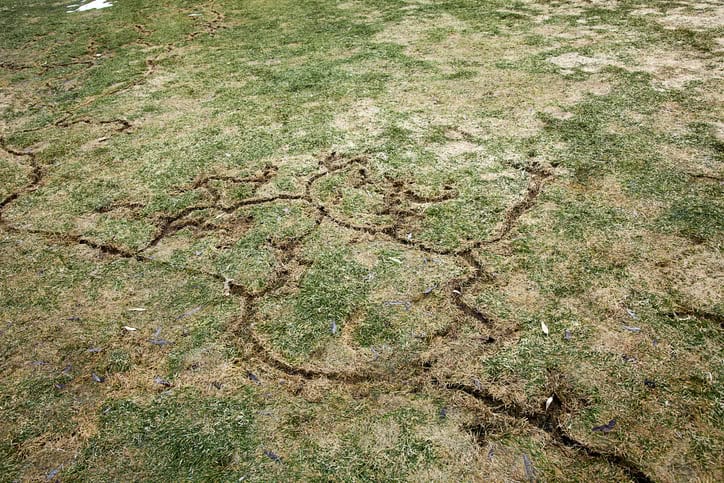
Vole Removal in Springfield
Voles destroy lawns and gardens but require different methods than moles. Many homeowners misidentify the damage.
Learn more →
Chipmunk Removal in Springfield
Chipmunks burrow alongside foundations, walkways, retaining walls, and patios. Targeted live trapping.
Learn more →Call (513) 518-5639 if you're not sure what's digging up your lawn. We handle moles, groundhogs, raccoons, squirrels, voles, and chipmunks.
Our 4-Step Springfield Mole Removal Process
Free Property Assessment
We walk your Springfield property, identify the exact pest and active tunnel zones, and give you a written estimate before any work begins.
Strategic Trap Deployment
Mechanical traps placed in active tunnels at the optimal depth for Springfield clay-loam soil. Every trap clearly marked.
Weekly Monitoring & Reset
We return weekly to check traps, document catches, reset as needed, and verify activity reduction.
Final Inspection & Guarantee
Final inspection, re-entry points blocked, and a satisfaction guarantee. If moles return during service, we come back free.
Trap Your Moles Service Area Around Springfield
From our base in Batavia, we cover Springfield and the surrounding region.
Not sure if your Springfield area is in range? Call us. The answer is almost always yes.
Springfield is part of our Miami Valley coverage. See every community we cover.
What We See on Springfield Properties
- Rural-suburban agricultural corridors creating mole habitat
- Larger lot sizes requiring scaled trap deployments
- Agricultural runoff enriching soils and supporting earthworm populations
- Mole damage to driveways and property infrastructure
Springfield is one of our Greater Dayton service areas. See every community we cover.
Springfield Mole Removal Questions
Get Your Free Springfield Mole Removal Estimate
Stop watching your Springfield lawn get destroyed. Free property assessment. No obligation. Fully insured. Humane methods.