Indian Hill Mole Removal Specialists in Ohio
Protecting Indian Hill homes and Hamilton County properties from Eastern Ground Moles. Fully insured. No poisons. Humane mechanical trapping for established Greater Cincinnati suburbs.
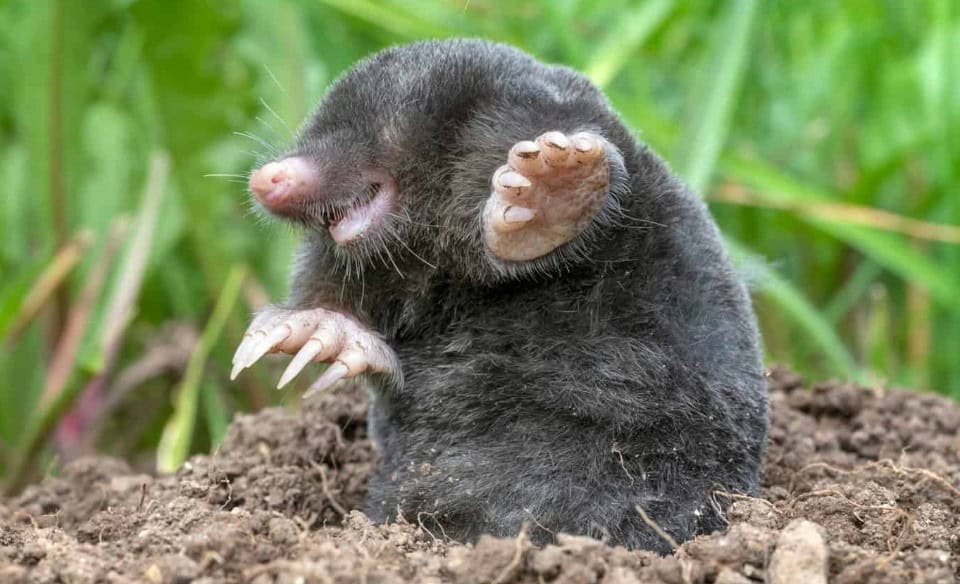
Why Indian Hill Homeowners Choose Trap Your Moles
Mole removal is the core of what we do, not a line on a pest-control menu. Our process is built around the clay-loam ridges and hillsides of the Ohio River basin, where tunnels run shallower than the books say, which is what decides where a trap actually goes in Indian Hill. We serve all of the Village of Indian Hill, including Camargo Club and Indian Hill Country Club adjacencies, Drake Road estates, Shawnee Run area, and the equestrian properties throughout the village.
Local Knowledge, Indian Hill Specific
The Village of Indian Hill is one of the most affluent communities in Ohio, anchoring the 45243 zip code. Indian Hill features estate-scale properties (often multi-acre), the Camargo Club and Indian Hill Country Club, extensive equestrian facilities, and decades-old premium landscaping. Hamilton County clay-loam soil, abundant mature tree canopy, professional irrigation, and meticulously maintained estate lawns create textbook habitat for Eastern Ground Moles (Scalopus aquaticus). Indian Hill properties typically have the highest lawn care investment in the Cincinnati region, which sustains the most robust earthworm populations and therefore the highest mole densities. We've adapted our methods to Indian Hill's estate scale, country club adjacencies, and the discretion that village residents expect.
We service every Indian Hill neighborhood and surrounding area:
What Sets Us Apart
Mole Specialists
Not generic pest control. We've spent years perfecting mole-specific techniques for the Hamilton County region.
100% Humane
No poisons. No toxic chemicals. No risk to your pets, kids, garden, or local wildlife. We show you exactly where traps are placed.
Aggressive & Consistent
We read the hillside runs and irrigation lines first, because on this terrain that is where a missed tunnel costs the most.
Mole and Wildlife Challenges Unique to Indian Hill
Mole problems in Indian Hill look different from mole problems in other regions. Here's what we see most often, and how we handle it.
Estate-Scale Properties Conceal Extensive Tunnel Networks
Indian Hill properties are often multi-acre estates. Moles can establish extensive tunnel networks across pasture, ornamental landscaping, formal lawn, and wooded edges before damage becomes visible enough to motivate action. By the time most Indian Hill homeowners call, the network is well-established across multiple property zones.
Full estate assessments map the complete tunnel network across all property zones. We trap simultaneously across active areas rather than chasing damage as it appears. Estate properties typically need recurring monitoring contracts rather than one-time service.
Country Club Fairway Adjacencies Drive Migration
Properties adjacent to Camargo Club, Indian Hill Country Club, or similar golf course features face continuous mole migration pressure from fairway turf. Golf course grounds are intensively managed and support concentrated earthworm populations that feed moles. Those moles then migrate into adjacent residential estates.
For Indian Hill properties bordering country club features, we deploy perimeter trapping along the property line plus active tunnel zones. Recurring monitoring contracts catch new migration before damage spreads.
Premium Irrigated Lawns Drive Highest Mole Densities
Indian Hill homeowners invest more heavily in lawn care than any community in the region: professional landscape crews, comprehensive irrigation, premium turfgrass varieties, regular aeration and overseeding. Those investments create the richest soil organic matter and the highest earthworm populations, which sustain the highest mole densities in Hamilton County.
We don't ask Indian Hill estate owners to compromise lawn programs. We deploy aggressive trapping that keeps up with the higher mole pressure. Quarterly or monthly monitoring contracts are standard for Indian Hill estates.
Equestrian Properties and Pasture Damage
Indian Hill is home to extensive equestrian facilities. Mole tunnels in horse pastures create footing hazards that risk injury to horses. The damage affects both pasture aesthetics and the safety of working facilities.
For Indian Hill equestrian properties, we coordinate with stable managers and trainers to schedule trapping around riding times. Trap placement avoids high-traffic paddock areas. Equestrian facility contracts available.
Discretion and Village Property Standards
Indian Hill residents value privacy and discretion. The Village maintains property standards and aesthetic expectations that some pest control vendors fail to respect, with branded trucks, lawn signs, and disruptive scheduling.
Discreet service throughout Indian Hill. No lawn signs unless requested. Scheduled visits during agreed time windows. Detailed reporting delivered privately. Most Indian Hill properties work with us on recurring service contracts.
Year-Round Mole Activity (No Hibernation)
Indian Hill's mild winters, irrigated lawns, and abundant tree canopy extend the active mole season. Eastern Ground Moles never hibernate, and Indian Hill estates often see damage continue through January and February when surrounding non-irrigated properties briefly catch a break.
We trap year-round across Indian Hill. Winter is productive on estate properties because tunnel patterns become predictable. Schedule before spring damage compounds.
Confusion With Voles, Chipmunks & Other Diggers
About half the "mole" calls in Indian Hill turn out to be voles, chipmunks, or other diggers. Manicured estate properties actually attract a wider variety of nuisance wildlife than less-developed suburbs.
Free identification visit. We tell you exactly what's destroying your lawn. See how we tell moles from voles or chipmunks.
Wildlife Removal Services in Indian Hill
Mole removal is our specialty. Here are the other Indian Hill wildlife problems we routinely handle.
Mole Removal & Trapping in Indian Hill
The Eastern Ground Mole is our primary focus. Mechanical traps placed in active tunnels, monitored weekly until fully resolved.
Learn more →
Groundhog Removal in Indian Hill
Groundhog burrows under decks, sheds, and along foundations. Live trapping with permanent burrow closure.
Learn more →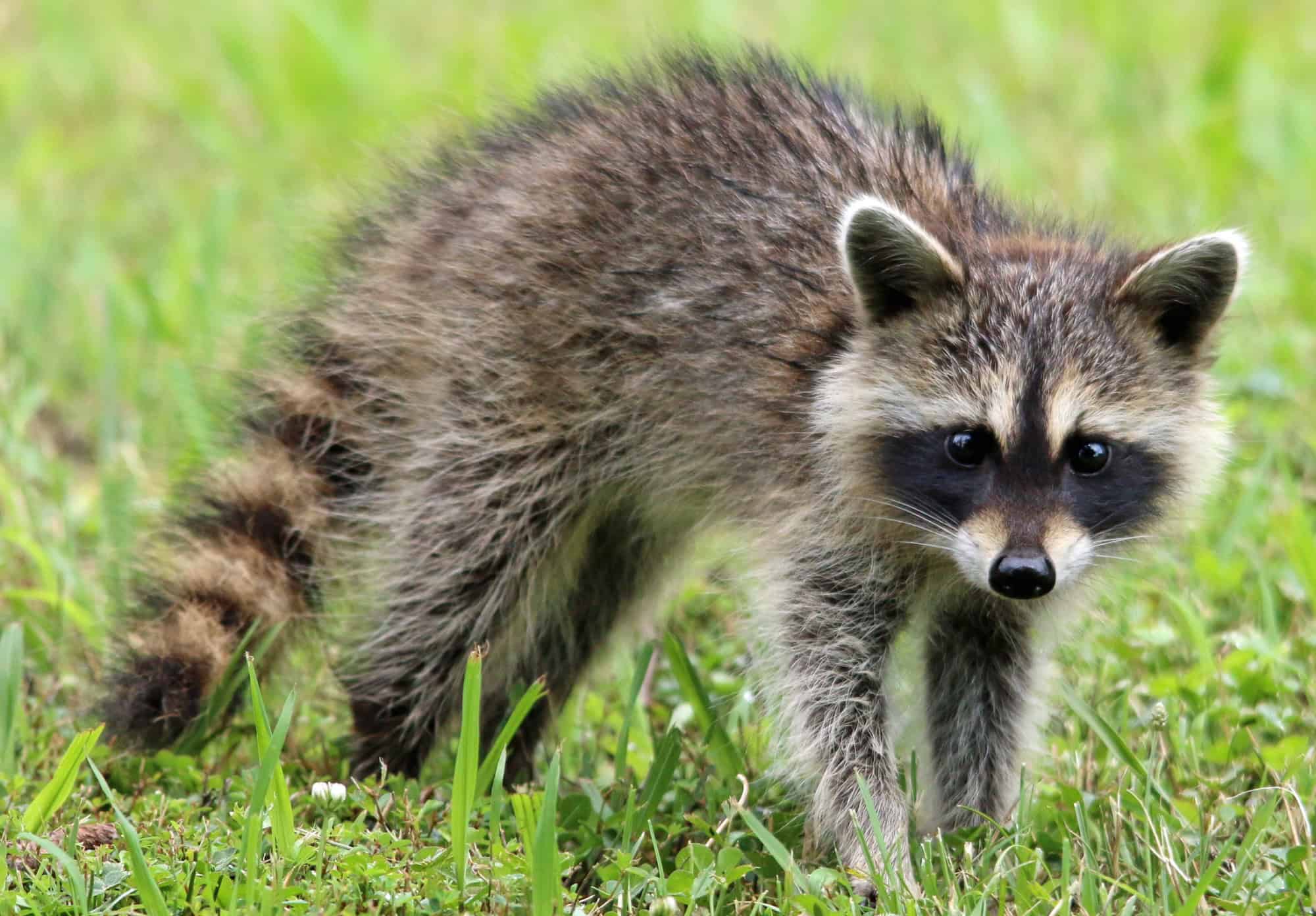
Raccoon Removal in Indian Hill
Indian Hill has a heavy raccoon population in mature tree neighborhoods and along the agricultural edges of Hamilton County.
Learn more →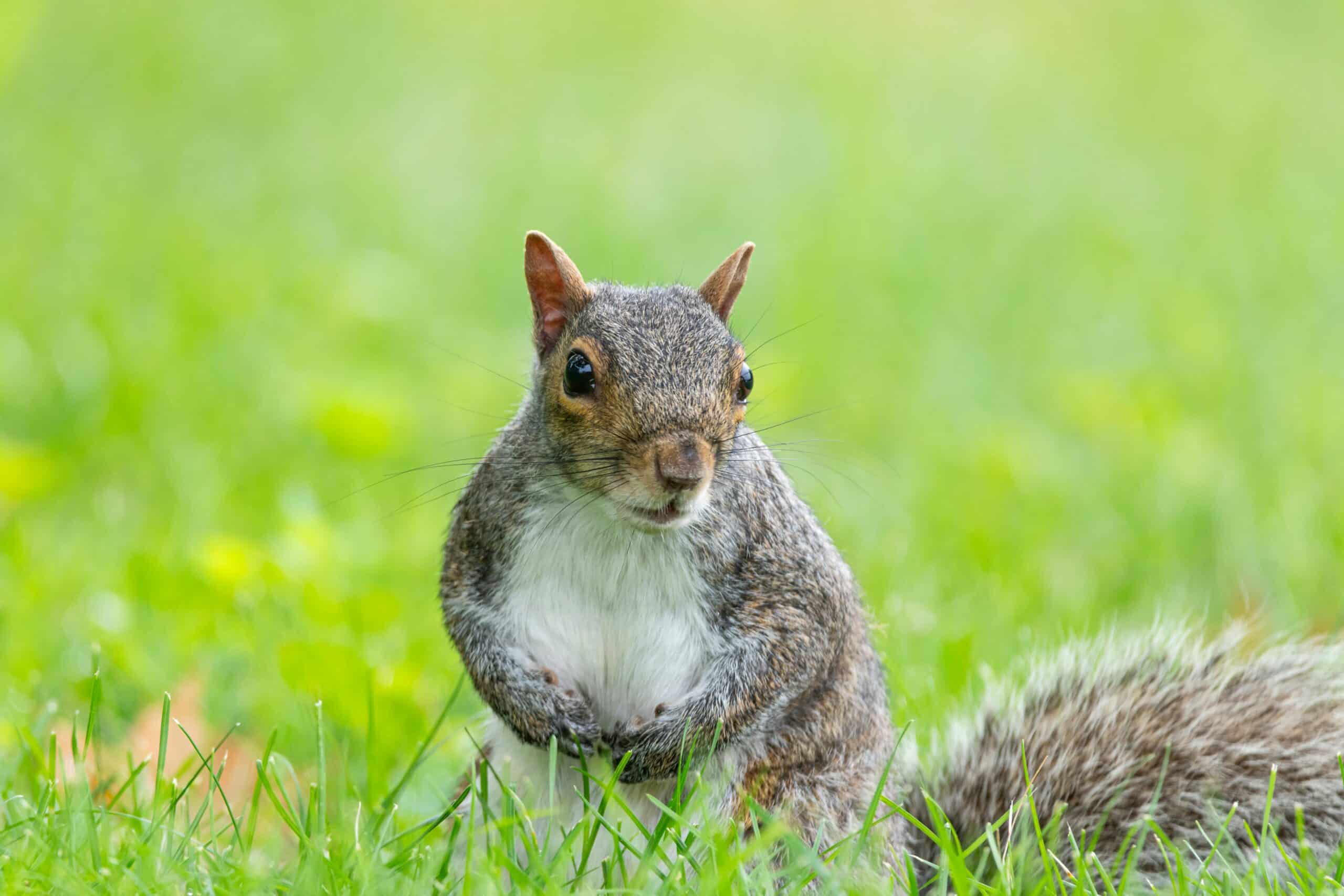
Squirrel Removal in Indian Hill
Squirrels in attics and walls. Damage to insulation, wiring, and roof structures. Trapping plus structural exclusion.
Learn more →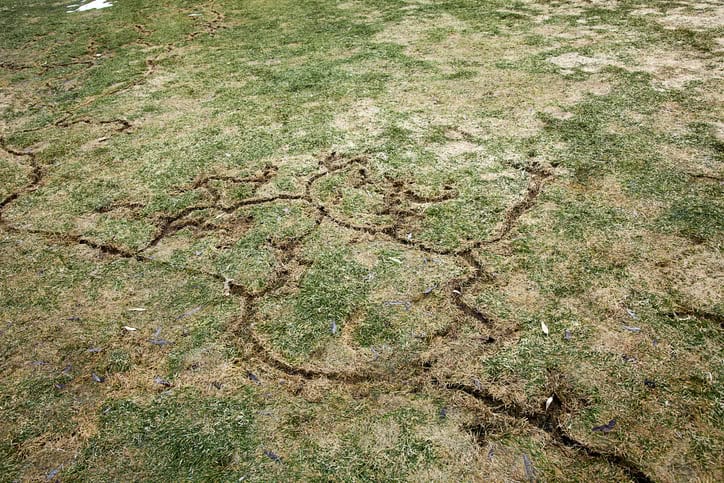
Vole Removal in Indian Hill
Voles destroy lawns and gardens but require different methods than moles. Many homeowners misidentify the damage.
Learn more →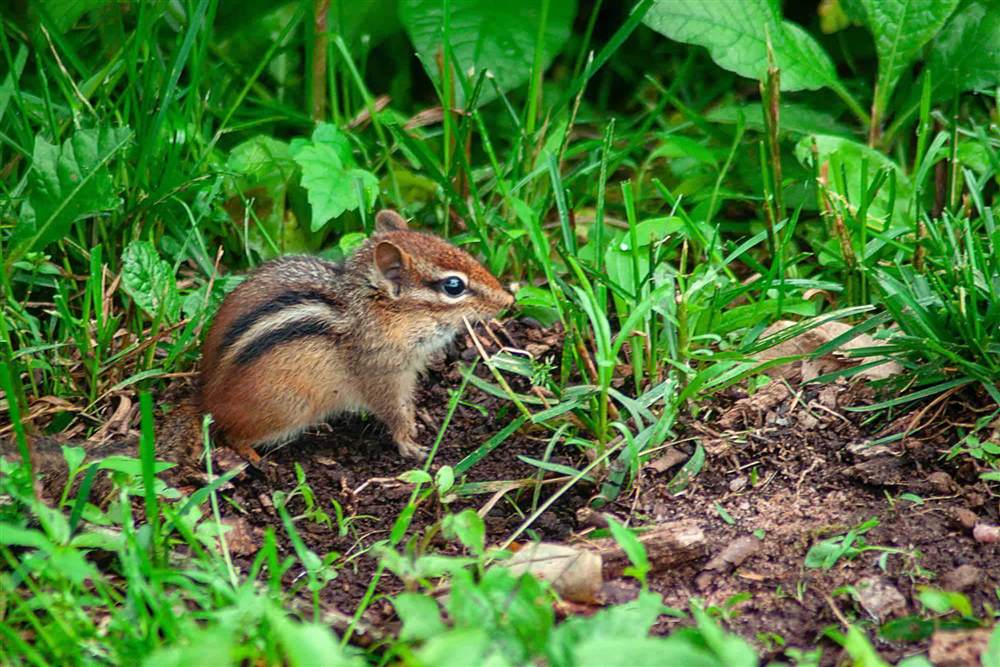
Chipmunk Removal in Indian Hill
Chipmunks burrow alongside foundations, walkways, retaining walls, and patios. Targeted live trapping.
Learn more →Call (513) 518-5639 if you're not sure what's digging up your lawn. We handle moles, groundhogs, raccoons, squirrels, voles, and chipmunks.
Our 4-Step Indian Hill Mole Removal Process
Free Property Assessment
We walk your Indian Hill property, identify the exact pest and active tunnel zones, and give you a written estimate before any work begins.
Strategic Trap Deployment
Mechanical traps placed in active tunnels at the optimal depth for Indian Hill clay-loam soil. Every trap clearly marked.
Weekly Monitoring & Reset
We return weekly to check traps, document catches, reset as needed, and verify activity reduction.
Final Inspection & Guarantee
Final inspection, re-entry points blocked, and a satisfaction guarantee. If moles return during service, we come back free.
Trap Your Moles Service Area Around Indian Hill
From our base in Batavia, we cover Indian Hill and the surrounding region.
Not sure if your Indian Hill area is in range? Call us. The answer is almost always yes.
Indian Hill sits in our densest coverage area. See every community we cover.
What We See on Indian Hill Properties
- Estate-scale properties with extensive tunnel networks requiring full assessments
- Country club fairway adjacencies driving continuous mole migration pressure
- Premium irrigated lawns creating highest earthworm populations in Hamilton County
- Equestrian facilities needing pasture safety coordination
- Year-round mole activity requiring winter trapping strategies
Indian Hill is one of our Greater Cincinnati service areas. See every community we cover.
Indian Hill Mole Removal Questions
Get Your Free Indian Hill Mole Removal Estimate
Stop watching your Indian Hill lawn get destroyed. Free property assessment. No obligation. Fully insured. Humane methods.