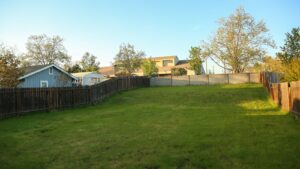
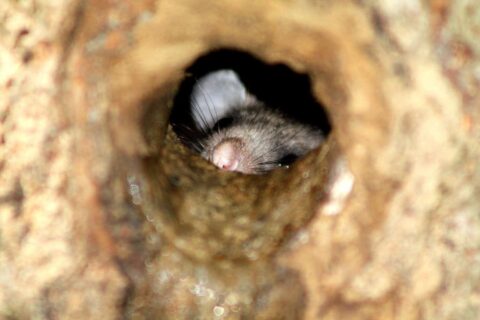

A yard chewed up by moles feels awful under your feet. The ground is spongy, mower wheels sink, and you keep kicking fresh dirt mounds even after pouring money into castor oil, poison peanuts, sonic spikes, and battery gadgets. Once a professional finally traps and removes the moles, you still walk outside and think, “Why does my lawn still feel like a sponge?”
Stopping the live moles is the first win. After that, you still have a maze of tunnels, air pockets, and damaged roots under your grass. Here we walk through a clear recovery plan for Dayton lawns after professional mole removal, so your yard becomes solid, safe, and decent looking again instead of a soft, sinking mess.
Why Your Lawn Still Looks Bad After Mole Trapping
A full mole infestation is mostly hidden under the surface. What you see on top is only part of the story. Under your grass, the moles have built:
- Main tunnels that they reuse
- Feeder tunnels where they hunt for grubs and worms
- Air pockets where the soil has been pushed aside
- Loose, dry soil that no longer supports roots
All that digging separates grass roots from the soil. Water drains into tunnels instead of soaking the root zone. Even after every mole is trapped and removed, the old tunnel system is still there. If you ignore it, you get:
- Sunken lines where tunnels slowly collapse
- Trip hazards in high-traffic areas
- Thin, yellow, or dead streaks of turf
So when you think, “The moles are gone, so why is my yard still wrecked,” the answer is simple. The animals are gone, but the broken soil structure is not. Without a plan to fix what they left behind, recovery is slow and patchy.
Trapping is the only proven mole solution. Repellents, sonic spikes, poison peanuts, and castor oil generally do not work, so once trapping is complete, fixing the soil they tore up is the only way your lawn will fully recover.
Timing Your Mole Tunnel Repair in Dayton
In the Dayton area, Eastern ground moles are active all year. They do not hibernate. Trapping can happen in any season, so repair timing needs to match both your trapping date and the weather.
Here is how we look at timing:
- Spring and early fall are the best for deep repair and seeding. Soil is softer, temps are moderate, and new grass can establish.
- Summer repairs can be done, but new seed and fresh soil need more watering and care in the heat.
- Late fall and winter are good times to focus on basic safety. You can collapse obvious tunnels, add soil where the ground has dropped, and plan a heavier repair once growing conditions improve.
Many Dayton yards sit on heavy clay that compacts easily. Clay soil can hold the tunnel shape longer, then collapse all at once, which creates sudden dips and puddles. On these lawns, you often need more aggressive compaction and more organic matter in your topdressing mix to help with drainage and stability.
Step-by-Step Fix for Sunken Tunnels and Soft Spots
Confirm trapping is complete
Before you repair anything, make sure the mole removal is truly done. If moles are still active, they will simply reopen your work and waste your time. A specialist focused on mole removal in Dayton should confirm that activity has stopped before you move into full repair.
Mark all tunnels and runs
Walk the entire yard at a slow pace. Use flags, stakes, or even spray paint to mark:
- Raised tunnel lines that feel spongy
- Fresh mounds or pushed-up soil
- Soft spots near driveways, sidewalks, and foundations
If the ground gives when you step, mark it. Those are the areas that need attention.
Collapse and compact
Next, collapse the runs. For most raised tunnels, you can simply:
- Gently stomp along the length of the run, heel to toe
- Use a lawn roller on larger areas
After that, use a hand tamper or heavy tool to compact bigger soft zones. The goal is to remove air pockets and create a tight base again. Do not be afraid to compact in stages. Sometimes you tamp, wait a few days, then tamp again as the soil settles.
Rebuilding Healthy Soil Where Moles Tore It Up
All those tunnels do more than loosen soil. They create dry pockets and separated layers. Roots cannot cross air gaps, so the grass above starves even if you water and fertilize.
Backfill and grade
For deeper sinks and obvious voids, cut out the weak turf as a shallow patch and fill the hole with a mix of quality topsoil and compost. That blend:
- Fills gaps
- Adds structure and organic matter
- Holds moisture for new roots
Lightly pack each layer as you go so you do not leave hidden air pockets. Shape the surface so water flows away from your house, walks, and patios. Good grading cuts down on puddles forming in old tunnel zones.
Overseed and protect new grass
Once the soil is firm and level, overseed thinned or bare areas with a grass mix that matches most Dayton lawns, usually a cool-season blend. For better results:
- Spread seed evenly over the repaired sections
- Lightly rake, then roll or press the seed into the soil so it has solid contact
- Water often enough to keep the top layer damp, not soaking
Early on, shorter, more frequent watering is better than long floods that can wash seed into the old tunnels. Once the new grass reaches mowing height, cut high and keep your mower blades sharp. Do not scalp the new growth. Strong roots will knit the soil together and help lock in your repairs.
Fixing Mole Damage Around Patios, Walkways, and Beds
Mole tunnels do not stop at the lawn. They often follow edges and structures. Some of the highest risk spots are:
- Along sidewalks and driveways
- Under paver patios or concrete slabs
- Beside retaining walls
- In landscape beds with thick mulch
In these areas, tunnels can create voids that lead to shifting pavers, cracked corners, or wobbly steps. To repair, carefully lift pavers or stones in the affected section, then fill and compact the soil underneath. Reinstall the hardscape on a firm, level base.
For planting beds, peel back mulch, gently collapse runs, then top off with soil and compost. Be careful not to bury plant crowns or pile soil against stems. Avoid heavy overwatering in these sections. Old tunnels can still settle, so light, steady moisture is better than soaking the area and causing more sinking.
How to Keep New Moles From Ruining Your Repair Work
Once you have trapped the moles and repaired the lawn, you want to protect your investment. Repellents, sonic spikes, castor oil, and poison peanuts sound simple, but they rarely stop new moles from coming in from neighboring properties. Eastern ground moles in the Dayton region stay active all winter, which means they can move back in any time.
A practical plan is to:
- Walk your yard lines at least once a week
- Watch for new raised runs and fresh mounds that were not there before
- Pay close attention to spots you already repaired, since loose soil attracts digging
If you see new, active signs, bringing in a professional early makes a big difference. Catching a new mole quickly prevents another full maze from forming and keeps your lawn from going back to that soft, uneven feel.
Why Trap Your Moles Is the Right Partner for Repairs
At Trap Your Moles, mole removal is our core specialty. We are a specialist mole trapping company, not a general pest control company that sprays and hopes for the best. We also handle groundhog, raccoon, squirrel, vole, and chipmunk removal when they tear up your property.
We use humane mechanical trapping only, with zero poisons and zero toxic chemicals, so your family, pets, and soil stay safe. We are licensed, insured, and bonded, and we hold an A+ rating with the BBB. We guarantee our work. If mole activity returns during the service period, we come back at no additional cost.
Because we work every day across Dayton, Springfield, Cincinnati, and Northern Kentucky, we know the local soils, typical tunnel patterns, and the right order to handle trapping first, then smart repair so your yard can finally feel solid again.
If moles have turned your lawn into a soft, sinking mess, call Trap Your Moles at (513) 518-5639 for a free estimate and a clear plan to get your yard back in shape.
Protect Your Yard With Fast, Professional Mole Control
If you are seeing fresh tunnels or mounds, now is the time to act before the damage spreads. At Trap Your Moles™, we use proven techniques to quickly and humanely resolve active infestations. Learn how our expert mole removal in Dayton can restore your lawn and prevent ongoing problems. Have questions or ready to schedule service? Just contact us and we will walk you through the next steps.