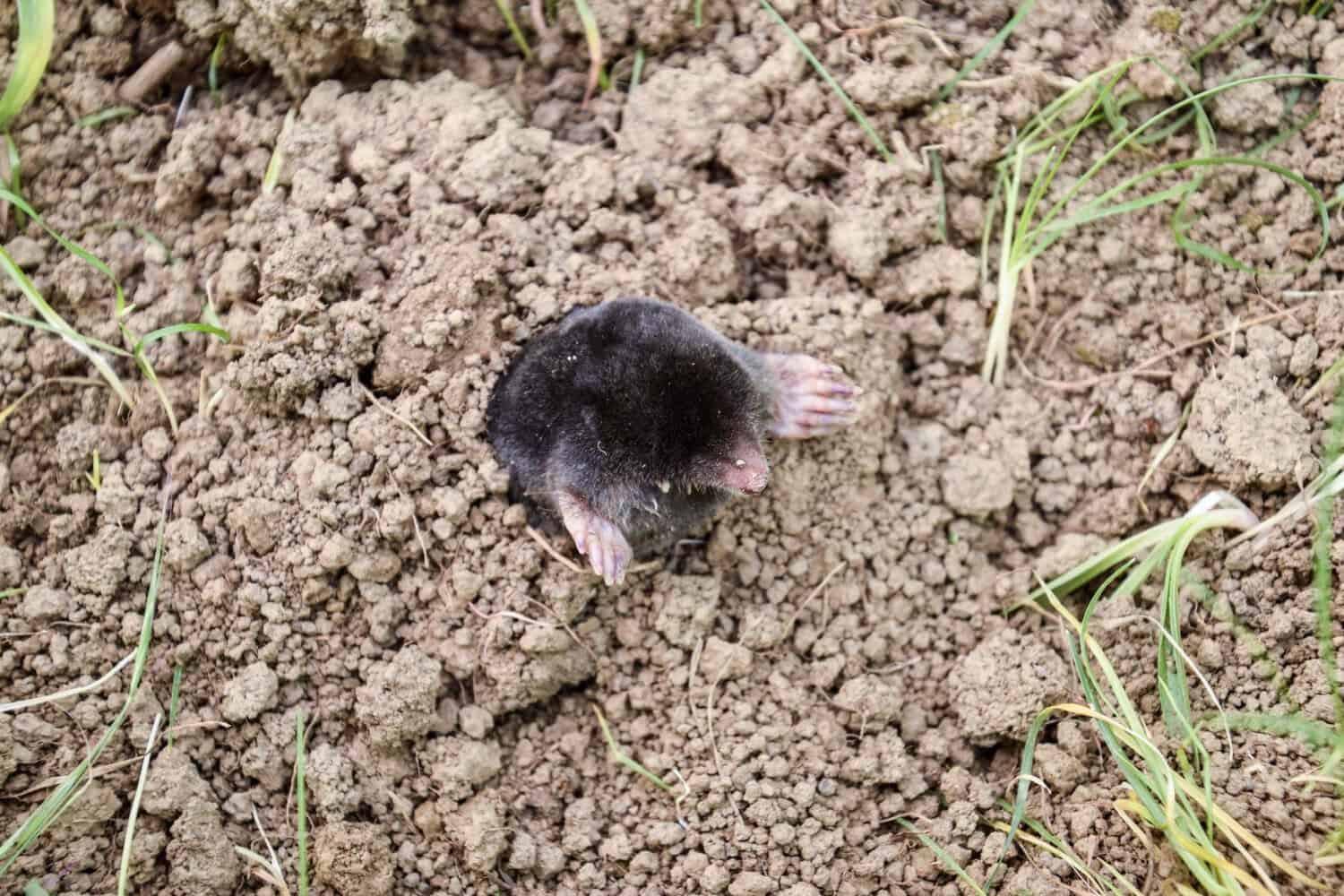
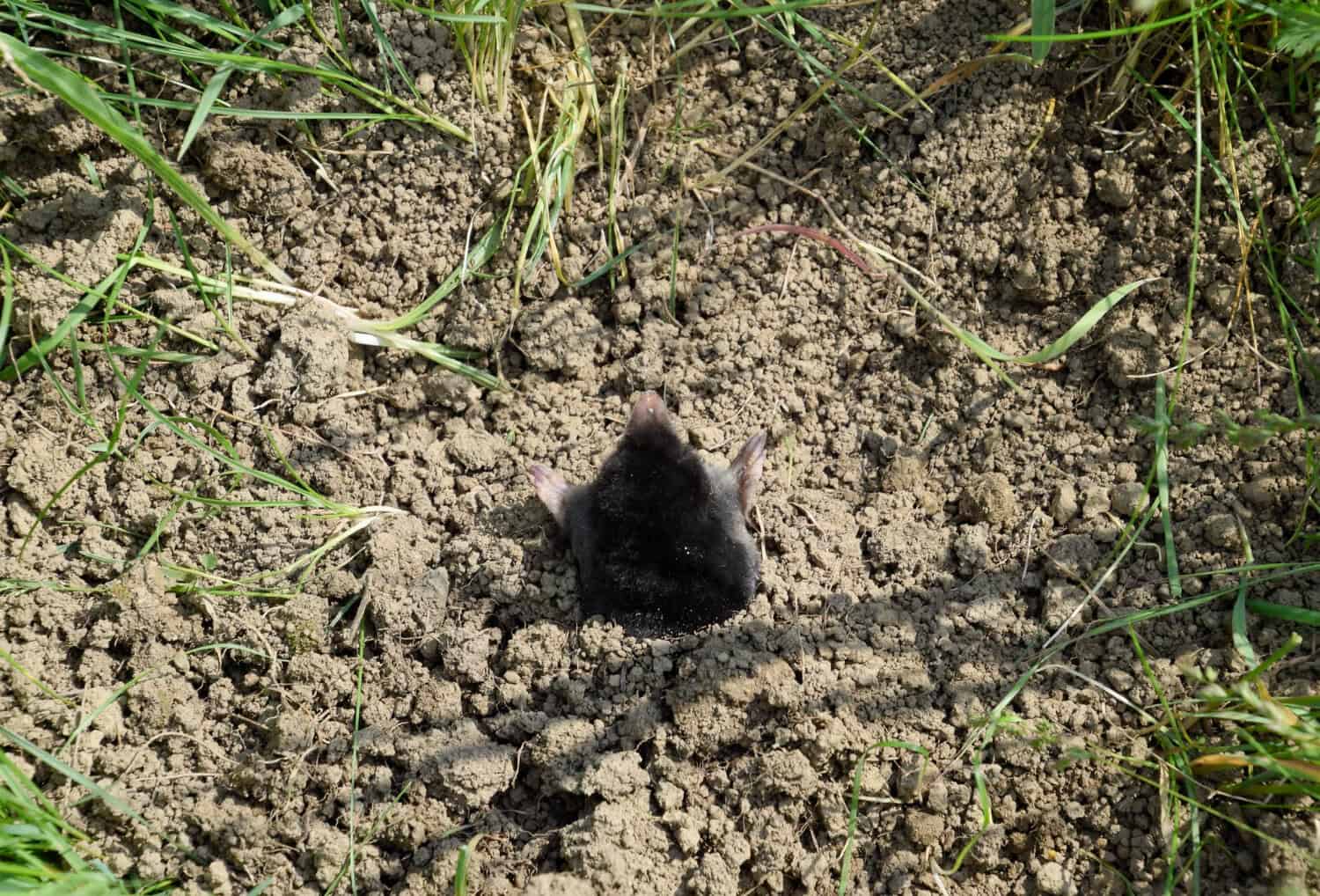
Moles vs. Grubs: Why Treating Grubs Won’t Remove Moles in Cincinnati

mole

Moles vs. Grubs: Why Treating Grubs Will Not Remove Moles

Mole tunnels tearing up your lawn are frustrating. Raised ridges, soft spots, and ugly mounds can show up almost overnight, even after you already paid for grub control once or twice. Many homeowners and property managers in the Cincinnati area feel stuck in this loop, wasting money on treatments and products that do not work.

You get told that if you kill the grubs, you will lose the moles. So you spend money on lawn treatments and store products, but the tunnels keep showing up. The truth is simple: Grubs are not the main problem; the moles are. Treating grubs alone will not get rid of moles in your yard in Cincinnati or the surrounding areas.

We specialize in humane, mechanical mole trapping for homes, HOAs, golf courses, commercial properties, and public grounds across Cincinnati, Dayton, Springfield, and Northern Kentucky. We actually remove the animals that are causing the damage. Let us walk through why grub treatments fail, what really attracts moles, and what options work before late summer and fall activity picks up even more.

What Moles Really Eat in Cincinnati Yards

Most people are told that moles only eat grubs. That sounds simple, and it sells a lot of grub products, but it is not true for Eastern ground moles in our area.

Moles eat a wide range of soil insects, such as:

  • Earthworms  
  • Grubs  
  • Beetle larvae  
  • Ants and other small invertebrates  

Earthworms are one of their favorite foods. A healthy lawn in Cincinnati or Northern Kentucky tends to be full of worms, especially if it is irrigated, fertilized, and well cared for. Even after heavy grub treatments, those worms are still there, moving through the soil and pulling moles right along with them.

A few key points about mole behavior in local yards:

  • Moles follow moisture and soft soil, not just grubs  
  • Irrigation, shaded areas, and landscaped beds stay attractive even with fewer grubs  
  • Eastern ground moles are active all year and do not hibernate  

That last point is important. If your plan is to treat grubs in one season and hope moles go away, you are missing months of active feeding. As long as your soil has worms and other insects, there is plenty of food to keep moles tunneling under lawns, beds, and sports fields.

Why Grub Control Does Not Remove Active Moles

Grub control can reduce one food source. It does not remove the moles that are already living and feeding in your tunnels. The animals are still there, and they are still hungry.

Here is what usually happens:

  • You pay for grub treatments in late spring  
  • Mole runs appear or expand in early summer  
  • You get told to “wait and see” for the product to work  
  • Damage gets worse while you wait  

By the time you realize the treatment is not solving the problem, you may be thinking about a second or third round of chemicals. Some people also add “mole bait,” poison peanuts, or other toxins into the mix. Now you have chemicals in the same turf where kids, pets, and customers spend time, and the tunnels are still growing.

Moles are built to move. If one food source drops in a section of your yard, they can:

  • Shift routes a few feet in any direction  
  • Follow irrigation lines, low spots, or shady edges  
  • Continue feeding on worms and other insects that were never targeted  

If your goal is to get rid of moles in your yard, trying to starve them out with grub control alone does not work. You might slightly reduce some feeding in one zone, but you will not remove the living animals that do the digging.

Why Trapping Is the Only Proven Way to Remove Moles

The only reliable way to stop mole damage is to physically remove the moles. That means professional trapping by people who understand mole behavior and local soil conditions.

Many property owners in our area try almost everything else first:

  • Granular or liquid repellents  
  • Sonic spikes  
  • Poison peanuts and mole baits  
  • Castor oil soaps and homemade mixes  
  • “Mole bombs” and gas cartridges  

These methods rarely give lasting relief. Moles spend most of their time underground, with strong survival instincts. They often avoid baits, move around repellents, or simply tunnel deeper.

Proper trapping is different. It is based on:

  • Reading the lawn to find active runs  
  • Setting specialized mechanical traps in the exact travel routes  
  • Checking and resetting on a set schedule until activity stops  

We use only humane mechanical traps, placed below ground by trained technicians. There are zero poisons and zero toxic chemicals. That is safer for people, pets, and non-target wildlife.

Because Eastern ground moles stay active all year, trapping can be done in every season. Fresh tunneling in summer is actually helpful, since new runs are easy to see and pattern. Trapping at that point stops damage before it spreads into late summer and fall.

What to Expect From Professional Mole Trapping Service

If you have only dealt with lawn spray crews before, mole trapping will feel different. The focus is not on chemicals. It is on reading the ground and outsmarting a very specific animal.

A typical professional trapping process includes:

  • On-site inspection of your lawn, beds, and property edges  
  • Identification of main runs and feeder tunnels  
  • A clear written trapping plan that explains the layout and timing  

When soil is soft from irrigation or rain, we can quickly tell which runs are active. Moles tend to reuse main travel routes, so once we locate those, we know where to focus. Fresh, raised tunnels and new mounds are especially good signs for effective trapping.

Trap Your Moles is licensed, insured, bonded, and A+ BBB accredited. That helps protect homeowners, HOAs, commercial property managers, and municipal clients who need dependable, documented service. Our guarantee is simple: If mole activity returns during the service period, we come back and continue trapping at no additional cost.

This approach works on:

  • Residential lawns and landscaped beds  
  • Office parks and commercial campuses  
  • Golf courses and athletic fields  
  • Schools, parks, and other municipal grounds  

The size of the property changes the map, but the process stays the same. Find the active moles, trap them, remove them, and monitor for fresh activity.

Stop Guessing and Focus on Removing Moles

Grub treatments alone will not solve mole damage. Repeated spending on repellents, sonic spikes, and gimmick products usually just delays the real fix and adds frustration.

When you remove the moles, you stop the new tunneling. The lawn can recover, roots can reestablish, and you are not loading the property with extra chemicals that do not touch the actual problem. That is true for a small backyard in Cincinnati, a sports field in Dayton, or a commercial site in Northern Kentucky.

If you are trying to get rid of moles in your yard or on a larger property, the path is clear. Shift your focus from fighting grubs to removing the animal that is doing the digging. Humane, mechanical trapping from a skilled local team gives you a direct, proven way to protect your turf and get ahead of the next wave of tunnels.

To stop mole damage and get a free estimate for professional trapping service, call Trap Your Moles today at (513) 518-5639.

Reclaim Your Yard With Fast, Professional Mole Removal

If you are tired of tunnels, mounds, and ruined landscaping, we are ready to help you get rid of moles in your yard quickly and safely. At Trap Your Moles™, we use proven trapping methods that protect your lawn and your peace of mind. Reach out today and let us assess your property, explain your options, and create a plan that fits your yard and budget. If you are ready to schedule or have questions, simply contact us and we will follow up promptly.
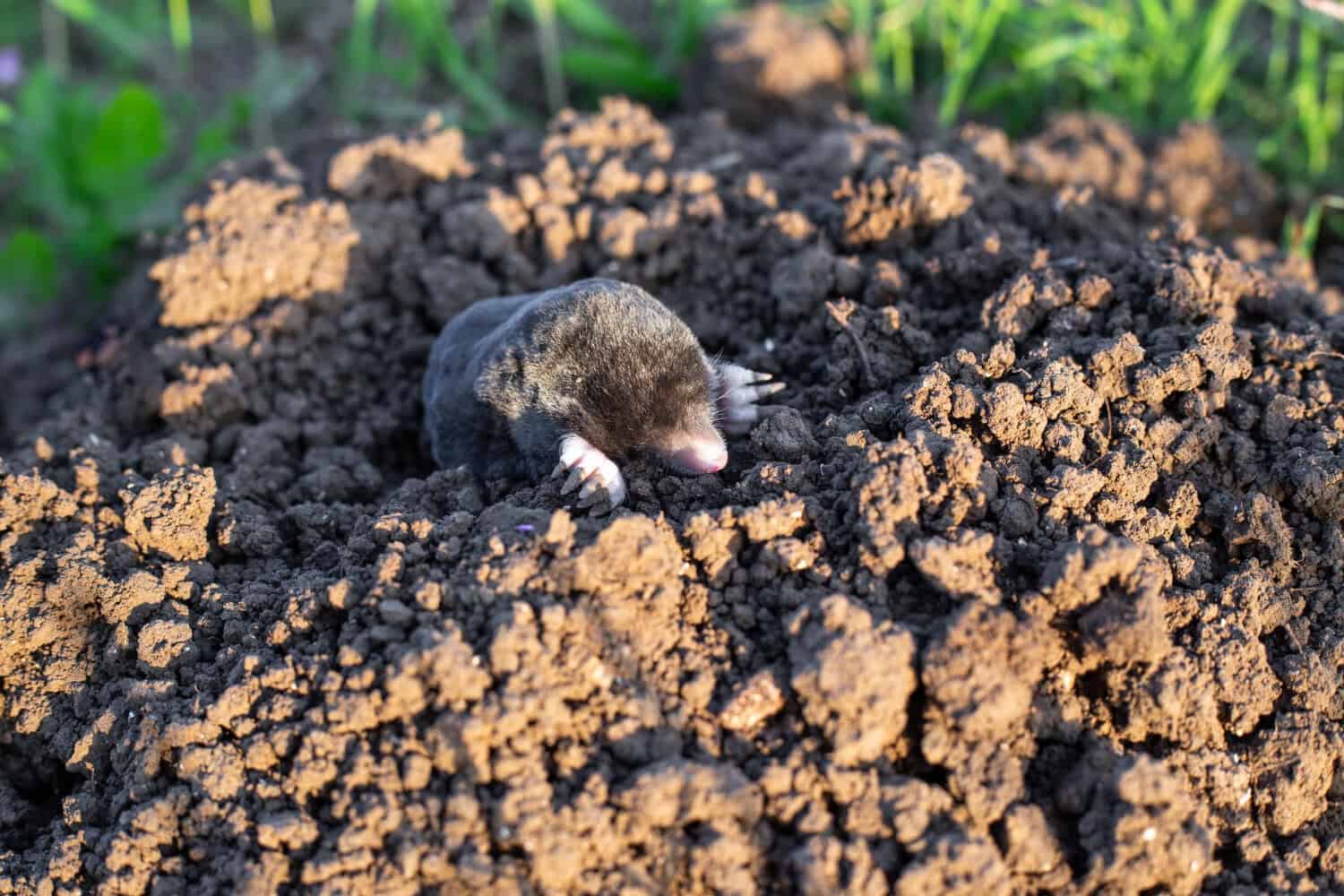

Manage Mole Control Service Across Multiple Properties

Close-up of a mole emerging from the soil in a garden setting.

Stop Playing Whack-a-Mole Across Your Properties

Moles on one lawn are annoying. Moles across ten lawns, an office park, or a sports complex turn into a real headache. Tunnels pop up overnight, residents complain, fields are unsafe, and you keep throwing money at castor oil, sonic spikes, poison peanuts, and odd gadgets that promise a lot and fix nothing.

When you manage more than one property, mole problems spread fast. One untreated lot can send new moles into every yard, fairway, or common area around it. If each site is handled differently, or not handled at all, you never catch up. You just feel like you are playing whack-a-mole with your time and budget.

We focus on giving multi-site managers a better option. A coordinated, professional mole control service that is built for scale, uses humane mechanical trapping only, and comes with a guarantee. Our goal is simple: help you get consistent control, protect your budget, and keep every property looking clean, without you babysitting contractors or guessing what to do next.

Why DIY Mole Fixes Fail on Multi-Site Properties

Most property managers we meet have already tried the usual DIY fixes. On paper they sound easy. In real life they rarely work, especially on large or multiple sites.

Common DIY tools that let you down include:

  • Castor oil and other repellents  
  • Sonic spikes and buzzing gadgets  
  • Grub control and lawn treatments sold as “mole stoppers”  
  • Poison peanuts and baits dropped in tunnels  

Here is why those options usually fail when you manage HOAs, golf courses, athletic fields, office parks, or city sites.

  • Repellents and sonic devices might move a mole a short distance, but they do not remove it. The mole just shifts to a new section of turf. On a single backyard, that is annoying. Across many acres, it is a mess. You think you solved the problem at the entrance sign. Next week the same mole is tearing up the playground or the fairway.
  • Grub treatments do not solve it either. Eastern ground moles eat many soil insects and earthworms, not just grubs, so wiping out grubs does not take away their food. You can spend a lot on lawn chemicals and still have fresh mole runs by the sprinkler heads, sidewalks, or goal lines.
  • Poison products bring their own problems. Besides safety concerns for pets, kids, and wildlife, moles often do not take the bait, and even if one does, you still have to deal with new moles that move into the empty tunnels. You have added risk without gaining control.

DIY also breaks down because of fragmentation. Each property might try something different. One board member buys spikes. Another crew uses poison peanuts. Another site does nothing. The result is a revolving door of:

  • New tunnels and raised ridges  
  • Repeat turf repairs and sod patches  
  • Resident and tenant complaints  
  • Staff time spent chasing a problem that never ends  

The larger your footprint, the faster those failed experiments burn cash and time. Labor hours, products that do not work, damaged turf, and the hit to your reputation all stack up. Trapping is the only proven mole control method that actually removes the animals and breaks the cycle.

What Professional Mole Control Service Looks Like

Professional mole control means you stop trying to scare moles away and start removing them from your properties. We do that with humane mechanical traps only. No poisons and no toxic chemicals, ever. That protects children, pets, sports fields, and groundwater, and it keeps you away from chemical headache and extra rules.

A typical service across your sites looks like this:

  • Walkthrough and inspection of all affected areas on each property  
  • Flagging and testing to find active mole runs  
  • Placing the correct traps in the right spots and depths  
  • Returning on a tight schedule to remove moles and reset traps as needed  

Eastern ground moles are active all year. They do not hibernate. That means “once a year” or “set it and forget it” plans do not work. We build service around what the moles actually do, not what the calendar says. When we see fresh activity, we are back to knock it down quickly.

As an A+ BBB-accredited, licensed, insured, and bonded wildlife control company, we also understand that your world runs on documentation and predictability. You need:

  • Clear notes on where work was done  
  • Consistent service across every site  
  • A company that shows up when it says it will  

We guarantee our work. If mole activity returns during the service period, we return at no additional cost. That helps stabilize your budget and reduces surprise expenses for boards, owners, or supervisors.

Coordinating Mole Control Across Multiple Locations

The real power for property managers is having one plan, one system, and one team for every site. A single provider for mole control service means:

  • One main contact instead of a new vendor at each location  
  • One schedule that covers all properties  
  • One simple way to track what has been done and what is next  

We group nearby locations into efficient routes. That might be several HOA entrances along the same road, a cluster of outlots around a retail center, or school fields in the same district. Grouping sites this way lets us respond quickly and keep a regular check on activity.

Timing also matters. Many managers like to have services ramped up before irrigation schedules, big events, or sports seasons, so fields and lawns are in good shape when they are used the most. Continued trapping through fall and winter is just as important. Since eastern ground moles never really take a season off, steady control in the colder months helps prevent a big blowup of new tunnels in spring.

Operationally, a coordinated plan means:

  • Fewer emergency calls and last-minute panics  
  • Less time chasing different vendors for different sites  
  • A clear, written approach you can show boards, owners, or city leaders  

Instead of reacting to every new mound, you move to a simple, steady program.

Protecting Turf, Budgets, and Your Reputation

Mole activity is not just a cosmetic issue. It hits real parts of your operation.

Tunnels and mounds lead to:

  • Sod replacement and reseeding  
  • Tripping hazards on playing fields and paths  
  • Rough ground that is hard on mowers and equipment  
  • A chewed-up look that reflects badly on your maintenance efforts  

When you run an HOA, golf course, park, school, or business campus, the grounds are part of your reputation. Smooth, clean turf tells people you take care of the place. Long ridges, soft spots, and fresh mounds say the opposite.

A consistent trapping program across all properties turns mole control from a random emergency into a planned line item. Instead of guessing what you will spend on surprise repairs after the next tunnel, you have a steady, known approach to keeping moles in check.

There is also a growing interest in safety and environmental care. A poison-free, humane trapping service is easier to stand behind when you talk with:

  • Families in neighborhood HOAs  
  • School and park boards  
  • Property owners who care about pets and wildlife  

You can point to a real process that protects both turf and people.

Put a Stop to Moles on Every Property You Manage

DIY and scattered mole efforts do not work at scale. Eastern ground moles stay active all year, across all your lawns and fields. Repellents, spikes, and poisons eat up time and money while tunnels keep spreading. Mechanical trapping is the only proven answer that actually removes the moles causing the damage.

We focus on taking this headache off your plate. From inspection to trapping to ongoing checks across Cincinnati, Dayton, Springfield, and Northern Kentucky, we build a coordinated mole control service for every property you manage. With one plan and one team, you can finally get ahead of the problem and keep your turf, your budget, and your reputation in good shape.

Call (513) 518-5639 today for a free estimate and a coordinated mole control plan for every property you manage.

Protect Your Lawn With Fast, Professional Mole Removal

If you are tired of new mole tunnels appearing every week, our experienced team is ready to help restore your yard and prevent further damage. Start by exploring our targeted mole control service to see how we locate and remove moles quickly and effectively. At Trap Your Moles™, we use proven methods tailored to your property so you can feel confident your lawn is in good hands. Have questions or want to schedule an appointment now? Simply contact us and we will walk you through your next steps.

What Professional Mole Trapping in Cincinnati Really Involves

Mole emerging from the soil with a snail nearby, in natural outdoor setting.

What Professional Mole Trapping in Cincinnati Really Involves

Moles can tear up a nice yard faster than almost anything else. One day the grass looks fine, then you see raised lines, soft spots, and dead streaks where tunnels run under the surface. It feels like you are paying to water and mow a lawn that just gets worse.

Many people in Greater Cincinnati, Dayton, Springfield, and Northern Kentucky pour money into quick fixes that do nothing. Castor oil, grub control, poison peanuts, and cheap traps might sound good on the label, but the tunnels keep spreading. Professional mole trapping is different because it treats moles as a wildlife problem with a system, not as a weekend project.

Tired of Torn Up Lawns And Wasted Money

Those lumpy tunnels are more than ugly. They can cause real problems on a property. You may be dealing with:

  • Dead or yellow strips of grass  
  • Soft, squishy areas that twist ankles  
  • Exposed roots and rocks where dirt has been pushed up  
  • Trip hazards on play areas and walkways  

After a while, frustration sets in. People start trying anything they see at the store or online. Common failed attempts include:

  • Castor oil sprays or granules  
  • Grub treatments used only for moles  
  • Poison peanuts or worm-shaped baits  
  • Sonic spikes and buzzing gadgets in the ground  
  • Hardware store traps that never seem to fire  

Professional mole trapping in Cincinnati treats the problem like wildlife control, not lawn care. It looks at the animal, its habits, and its tunnels, and it uses a planned approach instead of guessing.

What Is Actually Tearing Up Your Property

In our area, the main culprit is the Eastern ground mole. These moles live almost their whole lives underground. You might never see one, even if your whole yard is covered in tunnels.

A few key facts help explain the damage:

  • Eastern ground moles do not hibernate; they are active year-round  
  • Activity often spikes in late spring and early summer, but it can happen any month  
  • They spend their time hunting in the soil, not hanging out on the surface  

There is also a big myth about grubs. Many people are told that moles only show up because of grubs, and that a grub treatment will make them leave. In real life, moles eat a mix of soil insects and earthworms. They can stay in a yard that has very few grubs, and they can move across properties even if you treat your soil.

This is why treating for grubs almost never solves a mole problem by itself. You might kill some insects, but the moles keep tunneling, or new moles move in from next door.

Why DIY Mole Fixes Usually Fail

Most DIY mole products focus on the lawn, not on how Eastern ground moles actually move and feed. That is a big reason many do not work.

Common DIY methods include:

  • Repellents that claim to make soil taste or smell bad  
  • Sonic spikes that buzz or vibrate in the ground  
  • Poison baits and toxic worms  
  • Flooding tunnels with a hose  
  • Home-made traps or poorly set store traps  

Trapping is the only proven mole solution. Repellents wear off or are ignored. Sonic devices often only move moles to another part of the yard. Poisons and toxic chemicals add risk for kids, pets, and non-target wildlife that might dig them up.

Even when people buy traps, they usually run into three problems:

  • Guessing at tunnel locations instead of finding the main runs  
  • Setting traps at the wrong depth or angle  
  • Checking too rarely, so active tunnels shift away from the trap  

The result is more damage, more time lost, and no moles caught.

How Professional Mole Trapping Works

Professional mole trapping in Cincinnati starts with a solid inspection. We do not just wander around poking at hills. We read the sign.

A proper inspection includes:

  • Walking the property to find the freshest tunnels and mounds  
  • Mapping active runs, especially in high-traffic or high-value areas  
  • Separating deep, main travel tunnels from shallow feeding tunnels  

Main travel runs matter most, because that is where moles regularly move. That is where professional-grade mechanical traps belong.

Humane mechanical trapping means:

  • Using quick kill traps, not poisons or slow methods  
  • Placing traps only in active, confirmed tunnels  
  • Setting traps underground so kids and pets do not have access  
  • Checking traps on a regular schedule until activity stops  

A professional service also runs on a plan. There is a clear layout of trap locations, a schedule for checks or resets, and a defined service period. Each mole job is treated as a specific project, not a one-time visit.

What To Expect On Your Property

When a licensed wildlife company comes to handle moles, the process is simple but structured. A typical trapping service looks like this:

  • First call and basic questions about your yard or site  
  • On-site evaluation to confirm active mole sign  
  • Written plan that explains the service and number of visits  

During the first visit, we walk the ground, flag key tunnels, and place traps in the main runs. We mark trap locations so you know where they are, and we explain how to keep kids and pets clear of those areas.

From there, we return on a set schedule to:

  • Check and reset traps as needed  
  • Add or move traps if moles shift to new runs  
  • Watch for fresh sign and adjust the plan  

A good service includes a clear guarantee. If mole activity returns during the service period, the company comes back at no added cost until that period is over. You are not left guessing if the work is really backed up.

Protecting Lawns, Sports Fields, And Commercial Sites

Home lawns are not the only places that suffer from mole damage. Moles can cause real safety and liability problems on larger sites, such as:

  • HOA common lawns and entrances  
  • Golf courses and putting greens  
  • Soccer, baseball, and football fields  
  • Office parks and municipal grounds  

On these properties, one twisted ankle in a soft tunnel can turn into a serious issue. There is also the cost of constant reseeding, topdressing, and cosmetic repairs.

Systematic trapping across a large site is very different from spot treating one yard at a time. It includes:

  • Mapping the property into zones  
  • Setting traps across the whole active area, not just one edge  
  • Scheduling regular checks that fit around mowing and events  

Long-term control often means planning for ongoing monitoring. High risk areas can be checked on a routine basis. New sign can be handled quickly, before tunnels spread across multiple fields or buildings. Many managers find it easier to budget for steady, planned service instead of surprise emergencies.

Why Humane Trapping Beats Poisons Every Time

Humane mechanical trapping focuses on quick, targeted results. Quick kill traps are set only in active tunnels, out of sight and reach, and there are no poisons or toxic fumes on site.

Compared with poison baits and gas products, trapping offers clear benefits:

  • No risk of a pet digging up poisoned bait  
  • No toxic smoke or gas in the same soil where kids play  
  • No danger to owls, hawks, or other wildlife that might eat a dead mole  
  • No chemical residue spread through tunnels under your lawn  

Mechanical trapping is direct. One tunnel, one trap, one mole. That is why it is the standard approach for professional wildlife control when moles are the problem.

Stop The Tunneling And Get Your Yard Back

You do not have to live with soft spots, dead streaks, and fresh tunnels popping up every week. Eastern ground moles can be controlled any time of year, and the sooner trapping starts after fresh sign appears, the easier it is to stop the damage.

Trap Your Moles treats mole trapping in Cincinnati and the surrounding region as a focused wildlife job. We use humane mechanical traps only, we are A+ BBB Accredited, licensed, insured, and bonded, and we guarantee our work during the service period. If mole activity returns during your service period, we return at no additional cost.

If you are ready for a professional plan that actually stops the activity instead of another gimmick, call Trap Your Moles at (513) 518-5639 for a free estimate.

Protect Your Yard With Fast, Effective Mole Removal

If you are seeing raised tunnels or soft spots in your lawn, our professional mole trapping in Cincinnati can stop the damage before it spreads. At Trap Your Moles™, we use proven trapping methods tailored to your property for safe, targeted results. Reach out today through our contact page so we can inspect your yard and put a plan in place to protect your landscape.

What Happens When You Ignore Mole Tunnels in Cincinnati Yards

Mole emerging from the soil in a garden or yard setting.

When Ignoring Mole Tunnels Gets Expensive Fast

Mole tunnels never stay “just a few” for long. Those squishy lines in the grass turn into soft spots, mower ruts, and ugly bare patches before you know it. Many homeowners and property managers in Cincinnati, Dayton, Springfield, and Northern Kentucky have already poured money into castor oil, pellets, and sonic stakes that did nothing while the moles kept digging.

Our area gets wet springs and heavy summer storms that really show off mole damage. Soft ground makes tunnels rise higher, and every mowing pass presses them down into ruts. What you see on the surface is only the top of a full underground network. When you ignore it, you give moles time to expand their runs and raise more young right under your lawn.

Here is what really happens when you leave mole tunnels alone, why DIY tricks usually fail, and why professional mole removal in Cincinnati is the only real way to get your yard back under control.

How Mole Tunnels Wreck Lawns and Landscapes

Moles do not eat your grass, but their tunnels slowly destroy it. As they push through the soil, they lift the roots right off the dirt that feeds them.

Here is what that looks like:

  • Tunnels collapse underfoot and under mower tires  
  • Ruts and low spots form in high-traffic areas  
  • Grass starts to thin out in long streaks  
  • Patches turn brown even when you water  

On residential lawns, that means twisted ankles and ugly stripes across what used to be a clean yard. On larger sites like HOAs, athletic fields, and commercial properties, it can turn into a real safety issue. Kids running on bumpy turf and seniors walking across soft ground are one bad step away from a fall.

Those raised runs also break the bond between soil and root. Once that happens, you can water and fertilize all you want, but the grass still dries out. It simply cannot pull moisture and nutrients the same way. Over time, those green lines turn into brown scars.

During heavy spring and early summer rains, mole tunnels act like tiny drains. Water runs through them, then:

  • Slopes wash out and start to slump  
  • Mulch slides off beds and into the yard  
  • Soil settles around sidewalks, driveways, and patios  
  • Edging and borders shift and open up gaps  

Fresh mole runs also invite other pests. Voles and mice like to use the mole highways so they do not have to dig as much. They chew on roots, bulbs, and expensive landscape plants. So you start with moles, and end up with a second problem on top of the first.

The Hidden Costs of Doing Nothing About Moles

Leaving moles alone always costs more in the long run. The damage spreads while you keep paying to fix the same areas over and over.

Most homeowners and managers end up spending money on:

  • Repeat lawn repairs and topsoil  
  • Overseeding or sod replacement  
  • Extra irrigation trying to save stressed turf  
  • New plants and shrubs that keep getting hit  

On commercial properties and HOA grounds, the bill is not just for repairs. There is the risk of trip-and-fall incidents, complaints from tenants, kids getting hurt during play, and pressure from boards to keep common areas safe and good looking.

Then there is all the money wasted on things that do not solve the problem. Poison peanuts, “miracle” sprays, castor oil, granules, and sonic spikes are common. Moles simply tunnel around them or ignore them, especially when grub and worm levels are high in the late spring and summer. The food is there, so the moles stay.

Eastern ground moles do not hibernate. They are active all year. Damage slows a bit in winter when the ground is cold, but the moles keep feeding and tunneling deeper. Once the spring moisture arrives, activity on the surface explodes again. If nobody has trapped and removed the animals, the same moles keep right on tearing things up.

Why DIY Mole Fixes Fail in Cincinnati Yards

Most DIY mole tricks focus on the surface, not the animal. People stomp down tunnels, pour home remedies into the ground, or push random gadgets into the soil. That might feel good for a day, but it rarely reaches the mole where it actually lives.

Eastern ground moles in our area move fast and spend a lot of time in deeper runs. Simple tunnel smashing does not matter to them. They just reopen the run overnight or shift a few inches over. Chewing gum, hair clippings, smoke bombs, and soap mixtures do not stop a hungry mole with a yard full of grubs and earthworms.

A lot of garden center “mole control” products are really:

  • General repellents, not removal tools  
  • Poisons that target other animals, not moles  
  • Short-term fixes that wash away with rain  

These products can also create risk for pets, children, and non-target wildlife. You are adding toxins into the same ground where kids play soccer and dogs sniff and dig.

Our local clay and loam soils, along with irrigation systems and regular rain cycles, keep the ground full of food for moles. As long as they have plenty to eat underground, they have no reason to leave. That is why trapping is the only proven, humane way to remove moles from a property. Trapping is the only solution that consistently works. Successful mole removal in Cincinnati is not guesswork. It takes strategic trap placement and steady monitoring.

How Professional Trapping Actually Solves the Problem

Professional mole control is about removing the animal, not just knocking down the damage. When we come to a property, we do not just spray something and hope.

A typical trapping job includes:

  • A full inspection of the lawn and beds  
  • Locating and testing for active runs  
  • Placing mechanical traps correctly in those runs  
  • Returning on a schedule to check, reset, and adjust  

We use humane mechanical traps only. There are no poisons and no toxic chemicals involved. That means there is no risk to pets, kids, or beneficial wildlife, and no chemical residue left in lawns, gardens, or athletic fields.

Trapping targets the specific moles that are actually creating tunnels on your property. Once those animals are removed, you stop new damage at the source instead of chasing fresh piles week after week.

Trap Your Moles is a licensed, insured, and bonded wildlife control company, and we are A+ BBB-accredited. Our services come with a guarantee during the service period. If mole activity returns while we are under contract, we return at no extra cost and keep working the problem.

Stop Letting Moles Tear Up What You Paid For

Late spring and early summer are when mole damage shows up the most. Soft wet soil, more frequent mowing, and longer grass all make tunnels easier to spot and easier to ruin equipment and turf. Waiting even a few weeks during that time can let moles double the area they have already damaged.

Ignoring tunnels, or trying “just one more” DIY product, usually means more money poured into lawn repair instead of a focused trapping program that removes the actual animals. For homeowners and property managers who are tired of watching their lawns, sports fields, and common areas get torn up, working with a local specialist in humane mole removal in Cincinnati is the practical way to stop the cycle and protect what you have already paid to install and maintain.

If you are ready to stop wasting money on products that do not work and want a proven solution, call Trap Your Moles at (513) 518-5639 for a free estimate on professional mole trapping and removal.

Protect Your Yard With Proven Mole Removal Solutions

If you are seeing fresh mole tunnels or damage in your lawn, now is the time to act before the problem spreads. At Trap Your Moles™, we use targeted trapping methods to quickly and effectively solve mole issues at the source. Learn how our professional mole removal in Cincinnati can restore your property and prevent future damage. Ready to schedule service or ask a question? Simply contact us and we will help you get started.