
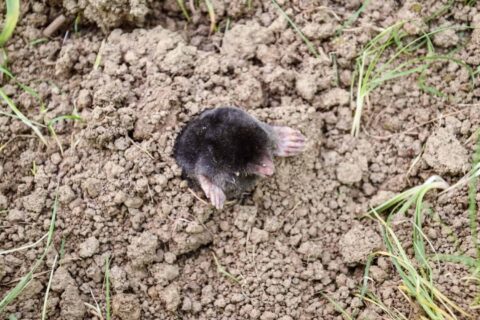

When Ignoring Mole Tunnels Gets Expensive Fast
Mole tunnels never stay “just a few” for long. Those squishy lines in the grass turn into soft spots, mower ruts, and ugly bare patches before you know it. Many homeowners and property managers in Cincinnati, Dayton, Springfield, and Northern Kentucky have already poured money into castor oil, pellets, and sonic stakes that did nothing while the moles kept digging.
Our area gets wet springs and heavy summer storms that really show off mole damage. Soft ground makes tunnels rise higher, and every mowing pass presses them down into ruts. What you see on the surface is only the top of a full underground network. When you ignore it, you give moles time to expand their runs and raise more young right under your lawn.
Here is what really happens when you leave mole tunnels alone, why DIY tricks usually fail, and why professional mole removal in Cincinnati is the only real way to get your yard back under control.
How Mole Tunnels Wreck Lawns and Landscapes
Moles do not eat your grass, but their tunnels slowly destroy it. As they push through the soil, they lift the roots right off the dirt that feeds them.
Here is what that looks like:
- Tunnels collapse underfoot and under mower tires
- Ruts and low spots form in high-traffic areas
- Grass starts to thin out in long streaks
- Patches turn brown even when you water
On residential lawns, that means twisted ankles and ugly stripes across what used to be a clean yard. On larger sites like HOAs, athletic fields, and commercial properties, it can turn into a real safety issue. Kids running on bumpy turf and seniors walking across soft ground are one bad step away from a fall.
Those raised runs also break the bond between soil and root. Once that happens, you can water and fertilize all you want, but the grass still dries out. It simply cannot pull moisture and nutrients the same way. Over time, those green lines turn into brown scars.
During heavy spring and early summer rains, mole tunnels act like tiny drains. Water runs through them, then:
- Slopes wash out and start to slump
- Mulch slides off beds and into the yard
- Soil settles around sidewalks, driveways, and patios
- Edging and borders shift and open up gaps
Fresh mole runs also invite other pests. Voles and mice like to use the mole highways so they do not have to dig as much. They chew on roots, bulbs, and expensive landscape plants. So you start with moles, and end up with a second problem on top of the first.
The Hidden Costs of Doing Nothing About Moles
Leaving moles alone always costs more in the long run. The damage spreads while you keep paying to fix the same areas over and over.
Most homeowners and managers end up spending money on:
- Repeat lawn repairs and topsoil
- Overseeding or sod replacement
- Extra irrigation trying to save stressed turf
- New plants and shrubs that keep getting hit
On commercial properties and HOA grounds, the bill is not just for repairs. There is the risk of trip-and-fall incidents, complaints from tenants, kids getting hurt during play, and pressure from boards to keep common areas safe and good looking.
Then there is all the money wasted on things that do not solve the problem. Poison peanuts, “miracle” sprays, castor oil, granules, and sonic spikes are common. Moles simply tunnel around them or ignore them, especially when grub and worm levels are high in the late spring and summer. The food is there, so the moles stay.
Eastern ground moles do not hibernate. They are active all year. Damage slows a bit in winter when the ground is cold, but the moles keep feeding and tunneling deeper. Once the spring moisture arrives, activity on the surface explodes again. If nobody has trapped and removed the animals, the same moles keep right on tearing things up.
Why DIY Mole Fixes Fail in Cincinnati Yards
Most DIY mole tricks focus on the surface, not the animal. People stomp down tunnels, pour home remedies into the ground, or push random gadgets into the soil. That might feel good for a day, but it rarely reaches the mole where it actually lives.
Eastern ground moles in our area move fast and spend a lot of time in deeper runs. Simple tunnel smashing does not matter to them. They just reopen the run overnight or shift a few inches over. Chewing gum, hair clippings, smoke bombs, and soap mixtures do not stop a hungry mole with a yard full of grubs and earthworms.
A lot of garden center “mole control” products are really:
- General repellents, not removal tools
- Poisons that target other animals, not moles
- Short-term fixes that wash away with rain
These products can also create risk for pets, children, and non-target wildlife. You are adding toxins into the same ground where kids play soccer and dogs sniff and dig.
Our local clay and loam soils, along with irrigation systems and regular rain cycles, keep the ground full of food for moles. As long as they have plenty to eat underground, they have no reason to leave. That is why trapping is the only proven, humane way to remove moles from a property. Trapping is the only solution that consistently works. Successful mole removal in Cincinnati is not guesswork. It takes strategic trap placement and steady monitoring.
How Professional Trapping Actually Solves the Problem
Professional mole control is about removing the animal, not just knocking down the damage. When we come to a property, we do not just spray something and hope.
A typical trapping job includes:
- A full inspection of the lawn and beds
- Locating and testing for active runs
- Placing mechanical traps correctly in those runs
- Returning on a schedule to check, reset, and adjust
We use humane mechanical traps only. There are no poisons and no toxic chemicals involved. That means there is no risk to pets, kids, or beneficial wildlife, and no chemical residue left in lawns, gardens, or athletic fields.
Trapping targets the specific moles that are actually creating tunnels on your property. Once those animals are removed, you stop new damage at the source instead of chasing fresh piles week after week.
Trap Your Moles is a licensed, insured, and bonded wildlife control company, and we are A+ BBB-accredited. Our services come with a guarantee during the service period. If mole activity returns while we are under contract, we return at no extra cost and keep working the problem.
Stop Letting Moles Tear Up What You Paid For
Late spring and early summer are when mole damage shows up the most. Soft wet soil, more frequent mowing, and longer grass all make tunnels easier to spot and easier to ruin equipment and turf. Waiting even a few weeks during that time can let moles double the area they have already damaged.
Ignoring tunnels, or trying “just one more” DIY product, usually means more money poured into lawn repair instead of a focused trapping program that removes the actual animals. For homeowners and property managers who are tired of watching their lawns, sports fields, and common areas get torn up, working with a local specialist in humane mole removal in Cincinnati is the practical way to stop the cycle and protect what you have already paid to install and maintain.
If you are ready to stop wasting money on products that do not work and want a proven solution, call Trap Your Moles at (513) 518-5639 for a free estimate on professional mole trapping and removal.
Protect Your Yard With Proven Mole Removal Solutions
If you are seeing fresh mole tunnels or damage in your lawn, now is the time to act before the problem spreads. At Trap Your Moles™, we use targeted trapping methods to quickly and effectively solve mole issues at the source. Learn how our professional mole removal in Cincinnati can restore your property and prevent future damage. Ready to schedule service or ask a question? Simply contact us and we will help you get started.