

Stop Paying for Lawn Repairs That Moles Will Ruin Again
Soft, lumpy turf. Twisted ankles in the yard. Fresh sod that looks great for a month, then turns into a bumpy mess. Many Dayton homeowners and property managers keep paying for lawn repairs, grub control, and store repellents, only to watch moles tear it all up again.
Around Dayton, mole activity spikes hard twice a year in spring and again in fall. Most people wait until raised ridges and mounds are everywhere before they act. By then, the damage is already under your grass and the repairs get expensive.
We want to give you a clear, practical timing guide for mole removal in Dayton, Ohio, so you can act before the tunnels show on the surface. We work in Greater Dayton every day as specialist trappers, so we see the same pattern over and over. When you understand when moles move and feed, you can plan mole trapping on your schedule, not on theirs.
How Moles Really Work Under Your Dayton Lawn
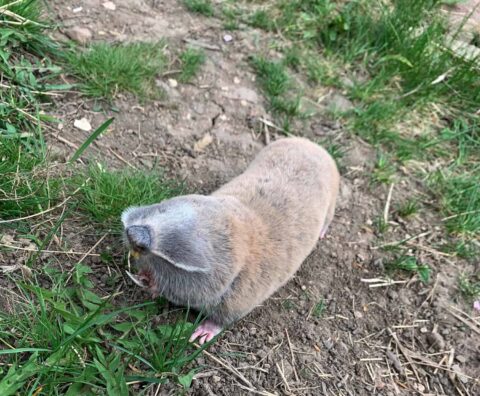
Moles are small, gray insect-eaters. They are not rodents, and they are not after your plants on purpose. They eat earthworms and soil insects. That is why mouse or rat bait will not fix your mole problem. You can poison every rodent on the block and those tunnels will still keep growing.
Under your lawn, they build two main types of tunnels:
- Shallow feeding runs close to the surface
- Deeper travel tunnels that act like highways
Shallow runs cause:
- Soft, spongy spots when you step
- Long raised lines in the turf
- Grass that dries out along the tunnel path
Deeper runs often show up as:
- Random soil mounds where they push dirt up
- Sinking spots that slowly get worse
In our local Miami Valley clay soils, worms and soil insects do very well. When you have a well-kept lawn with irrigation, regular watering, and nice thick turf, you are actually creating perfect mole habitat. Healthy soil, consistent moisture, and stable temperatures are exactly what they like.
It usually takes only one or two moles to make a yard look “infested.” A single animal can run a big network of tunnels. If those moles are not trapped out correctly, new ones can move into the same system later. That is why some yards feel like they never get a break.
Spring Mole Season in Dayton: ACT Before Grass Green-up
From late March through early June around Dayton, the soil starts to warm up. Worms and grubs move closer to the surface. Moles respond by ramping up their shallow feeding runs right when your lawn is waking up and new grass is trying to grow.
Here is the timing problem. By the time you see long raised ridges across the yard, that mole has already been working for weeks. The tunnels were there while the ground was still damp and soft. Waiting until the lawn is clearly torn up means more repair work later.
For spring mole removal in Dayton, Ohio, the best time to start is:
- When frost is gone and soil is no longer frozen
- When the ground is soft enough to push a finger in a couple inches
- When you first notice runs near beds, sidewalks, or along driveways
Those first light runs are your warning. That is when trapping is most efficient. You catch the animals before they spread across open turf, landscape beds, play areas, or sports fields.
Many people try DIY first in spring:
- Hardware store mole traps that are not placed or tuned well
- Castor oil sprays or granules that may only push moles around
- Noise stakes or vibrating gadgets in the ground
- Hose flooding that just makes a muddy mess
These usually do not remove the animals. Moles live underground and are built for that life. A professional trap line that is checked often, placed in the right runs, and adjusted to soil conditions actually takes the moles out, not just annoys them.
Fall Mole Surge: Quiet Lawns Hide Big Undercover Damage
Late August through November, the pattern shifts again. The soil cools down, summer drought often eases, and worms come back up to comfortable levels. Moles respond with another heavy feeding surge. In many yards, they get more focused and aggressive in their tunneling.
Fall activity can be sneaky. The grass is already mature and thick. You might not notice fresh runs until you start leaf cleanup or see odd lines under the leaves. Under that cover, the roots are being shredded and loosened.
Fall is the best time to break the cycle for the next year. Moles trapped in fall do not get to set up winter territories under your yard, beds, or sports fields. That means less pressure when spring growth starts, and fewer new tunnels popping up in the first warm stretch.
Good triggers to bring in trapping in fall are:
- New ridges that show up right after a rain
- Raised lines you feel under a layer of leaves
- Fresh soil mounds in open turf or near beds
- Tunnels that show up in irrigated zones or around newly sodded areas
If you reseed or lay new sod in late summer or fall, that tender root system is a magnet. The soil is soft, moist, and full of food. Getting moles out of those areas quickly protects your investment.
Spring vs. Fall: When to Trap for Lasting Results
Both spring and fall bring strong mole activity. They just hit your lawn in different ways.
Spring trapping:
- Limits visible damage on the surface
- Protects new growth and fresh seed
- Stops long raised runs that wreck curb appeal
Fall trapping:
- Protects root systems under the turf
- Cuts down the population before winter
- Sets you up for a calmer spring
For homeowners, here is how we usually think about timing:
- New or recently renovated lawn: Focus hard on spring, then follow up in fall so you guard that new turf from both top and bottom damage.
- Yards with long-term mole problems: Plan for both spring and fall in the first year, then move to maintenance as activity drops.
- Properties with irrigation, pets, or kids using the yard year-round: Skip risky poisons. Careful trapping and smart timing avoid hazards and still take care of the moles.
For commercial properties and HOAs, the stakes are higher:
- Golf courses and athletic fields: You cannot afford trip hazards or turf failure right before big events or league play. Timing trap work around growing schedules and tournaments keeps fields safe.
- Office parks and HOAs: Curb appeal drives occupancy and home values. Clean, even turf at entrances and common areas matters, so trapping is planned before peaks in visitor traffic.
- Municipal parks and school fields: Safety and public complaints are constant concerns. Regular, seasonal trapping helps keep surfaces level and usable.
A focused professional service in our region pays close attention to:
- Recent weather and rainfall
- Soil moisture and compaction
- Where moles are feeding first on each property
The trap plan shifts with each season so you are not chasing new tunnels all year.
Stop Guessing the Season and Get Moles Out Fast
Moles around Dayton usually spike twice, in spring and again in fall. Both seasons cost you money, whether it shows as lumpy, ugly turf or root damage that shows up later. Fast, targeted trapping is almost always cheaper in the long run than another round of repellents and grub control that does not solve the real problem.
Instead of reacting in anger when tunnels are everywhere, use the calendar. Plan an inspection before your busy season, whether that is spring green-up at home, fall reseeding, or key tournament and event dates on commercial turf. When you are ready to stop mole damage before it starts, call Trap Your Moles at (513) 518-5639 for a free estimate.
Reclaim Your Yard With Proven Mole Solutions
If moles are tearing up your lawn, we can step in quickly with targeted mole removal in Dayton, Ohio that protects both your property and your peace of mind. At Trap Your Moles™, we inspect your yard, identify active tunnels, and create a plan tailored to your specific mole problem. Reach out today to schedule service or ask questions, and we will walk you through every step. If you prefer, you can also contact us to get started.