
Choosing a Mole Removal Service in Cincinnati That Actually Works

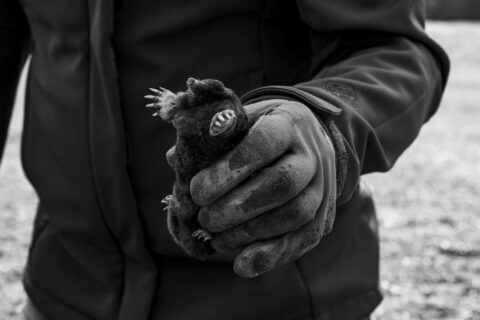
Hand holding a small mole animal, demonstrating mole removal process.

Stop Losing Your Lawn to Stubborn Moles

If your lawn feels like a sponge and looks like someone dragged a garden hose under the turf, you are not dealing with a small problem. Moles can turn a nice yard or commercial lawn into a mess of soft spots, raised tunnels, and dead patches. They create tripping hazards, tear up flower beds, and ruin all the time and money you put into your property.

Many people try to fix it on their own. Castor oil, noise stakes, poison peanuts, smoke bombs, even “ultrasonic” gadgets that promise the world. The tunnels keep coming back because the moles never left. Moles are strong diggers. They eat grubs and worms all day, and they do not care about smells, sounds, or wishful thinking. The real fix is a professional mole removal service that traps the animals, understands local soil and mole behavior, and sticks with it until the activity is actually gone. We will walk through how to tell if you really have moles, what works and what does not, how to pick a service that delivers, and what a proper trapping job should look like.

How To Know You Really Have A Mole Problem

First, you need to be sure moles are the issue. Moles leave very clear signs in lawns, especially in our Cincinnati, Dayton, Springfield, and Northern Kentucky areas.

Typical mole signs include:

  • Raised surface tunnels that feel spongy when you walk on them  
  • Long ridges that snake across the turf  
  • Volcano-shaped soil mounds pushed up from below  
  • Activity that is worst in moist or recently watered areas  

This is different from other animals. Voles are plant eaters. They chew bark and stems and leave small surface runways in grass, but not the deep raised tunnels. Groundhogs dig big open burrow holes, not thin ridges all across the yard. If you see high mounds with a large open hole, that points away from moles.

After spring rains, many properties in our area see a spike in visible tunneling. The ground is soft, worms move up, and moles take full advantage. A quick DIY try might be fine if you see only one or two short tunnels in a low-traffic corner. When to bring in a pro is pretty clear though.

You likely need a mole removal service if:

  • New runs appear every morning  
  • Tunnels cross high visibility areas or business entrances  
  • Damage wraps around landscape beds or foundations  
  • The ground feels soft over large sections of the property  

When the soil structure starts breaking down and roots sit in loose, torn soil, the clock is ticking. The longer moles keep working, the more repair work you face later.

What Actually Works For Mole Removal (And What Does Not)

There is only one proven control method for moles: targeted trapping on active runs. That means finding the tunnels moles use daily, setting professional traps correctly, and checking them often. It works because it removes the actual animals that are doing the damage.

Most Common DIY Fixes Fail, Such as:

  • Repellent granules and “mole chasers” that may move moles a few feet or not at all  
  • Sonic or vibration stakes that sound clever on the package but do not beat a hungry mole  
  • Home tricks like chewing gum, hair clippings, broken glass, or castor oil sprays  

These methods do not match how moles live and feed. Moles do not live in big colonies like ants. A single mole can run a large network of tunnels and will reuse main routes many times a day. If you do not trap that animal, it will keep going.

Baiting products do exist, but they are tightly controlled. In states like Ohio and Kentucky, there are rules around who can use them, how they are placed, and where they can be applied. They are not casual weekend options. A trained wildlife control pro will know when baits make sense and how to handle them safely.

Season matters too. Early summer is heavy feeding time in lawns. Fast, focused trapping during this time can stop fresh damage before heat and drought stress your turf even more.

How To Choose A Mole Removal Service That Delivers

Not every wildlife company treats moles as a priority. You want a service that focuses on mole trapping, not a “we do everything” outfit that sprays something mystery-based and leaves.

  • State licensing and insurance  
  • Real experience with mole trapping in the Cincinnati and Northern Kentucky region  
  • A clear focus on trapping and monitoring, not just spraying “mole treatments”  

When you talk on the phone, ask direct questions:

  • Do you physically trap and remove moles, or only apply repellents?  
  • How often do you check traps?  
  • Do you map active runs and explain your plan on site?  
  • How do you decide when the job is finished?  

You also want a clear, simple pricing structure. Homeowners and property managers should know what each visit includes and how the service defines success. Avoid vague “treatment plans” that drag on without anyone showing you actual trapped moles or a drop in fresh activity.

What A Professional Trapping Visit Should Look Like

A proper mole trapping job follows a clear process. At Trap Your Moles, a visit starts with a walk of the entire property. We look at the yard, beds, and any problem spots. We keep an eye out for kids’ play areas, pets, fences, and irrigation or utility lines.

Next, we test tunnels to find the main travel runs. Not every tunnel is equal. Some are short feeders, some are highways. Once we identify the key runs, we set professional-grade traps at the right depth and angle. These are not cheap hardware store gadgets tossed in at random. They are placed with a plan and flagged or mapped.

Follow-up is critical. Traps are checked on a regular schedule. Caught moles are removed. New activity is tracked so you can see the trend moving in the right direction. Most homes see several visits over one to two weeks. Larger commercial or multi-acre properties can take longer, since more ground has to be covered.

After trapping, we share basic aftercare advice, such as:

  • Gently leveling tunnels  
  • Reseeding or patching damaged turf  
  • Watching for any new runs in future seasons  

If you notice fresh tunnels months down the road, that usually means new moles have moved in, not that the old ones “came back from the dead.” Quick action at that point keeps things under control.

Quick FAQs On Hiring A Mole Removal Pro

How Long Will It Take to See Results?

Many properties notice activity start to drop within a few days. Full control often comes within one to three weeks, depending on property size and how many moles are present.

Is Trapping Safe for Kids and Pets?

A pro sets traps underground on active runs. Locations are flagged and mapped, and we explain where everything is so families, maintenance crews, and pets stay safe.

Can You Guarantee Moles Will Never Come Back?

No one can put a fence around wild moles. What you can expect is fast, effective control whenever they show up. That is the real value of a reliable mole removal service.

Do I Still Need Lawn Treatments for Grubs?

Moles eat grubs but also eat earthworms and other soil insects. Treating grubs alone does not “starve out” moles. For many properties, a good lawn care plan plus a trusted mole removal service works best over the long term.

Is a Mole Removal Service Worth It vs. DIY?

Endless DIY products, weekend work, and turf repairs add up. A focused trapping job removes the animals that are causing damage, so you can protect your lawn or grounds and stop chasing gimmicks.

Ready to stop the tunneling and protect your property for good? Call (513) 518-5639 for a free estimate.

Protect Your Yard With Professional Mole Removal Today

If you are seeing fresh mole mounds or raised tunnels, now is the time to act before the damage spreads. At Trap Your Moles™, we provide a proven mole removal service that targets the source of the problem so your lawn can recover quickly. Reach out to contact us and we will schedule a visit, assess your yard, and outline a clear plan to get your property back in shape.
Signs Your Yard Needs Professional Mole Removal in Cincinnati

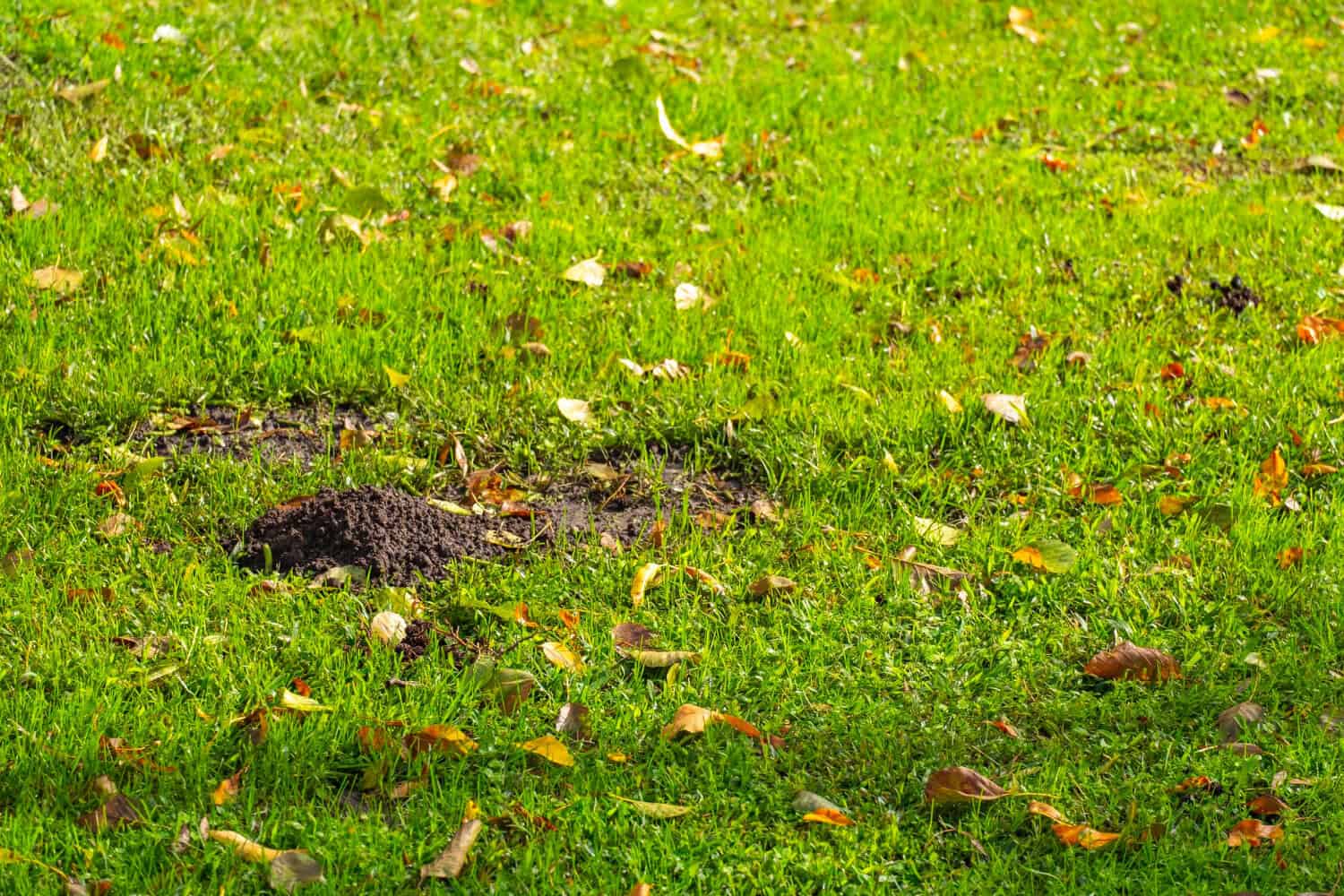
Mole holes in green lawn with scattered leaves, showing pest damage.

When Your Yard Damage Is More Than “Just Moles”

When your lawn starts to look chewed up, it is hard to ignore. You see ridges across the grass, soft spots that sink under your feet, and maybe a spot where someone twists an ankle. You rake, you roll, you patch, and a week later, new tunnels pop up in a different part of the yard.

Many people in Cincinnati and Northern Kentucky burn time and money on things like castor oil, grub control, poison peanuts, pellet baits, and battery-powered gadgets. These products sound good on the label, but Eastern ground moles do not stop just because the soil smells funny or a stake is buzzing in the ground. The food and the soil conditions still win.

When the damage keeps returning, it is not a small problem. It is a sign that active moles are still working under your lawn. Trapping is the only proven way to remove moles, so at some point it makes sense to move past experiments and bring in professional help that is focused on results.

How to Tell If You Really Have Moles

Before you think about mole removal in Cincinnati, you want to be sure you are dealing with moles and not something else. True mole activity has a few clear signs in our area.

Typical mole signs include:

  • Raised surface tunnels that feel like rope under the grass
  • Volcano-shaped dirt mounds, not big open holes
  • Soft, spongy turf right over active runs
  • Tunnels that follow sidewalks, driveways, or landscape edges

Other animals leave very different damage:

  • Voles create open surface runways in the grass and leave gnaw marks on stems and shrubs
  • Groundhogs and rabbits leave large open burrow holes or clipped plants above ground
  • Skunks and raccoons flip sod or leave scattered, cone-shaped dig spots where they hunt grubs

Correct ID matters. If you treat vole damage like a mole problem, you will waste money on mole repellents. If you think a groundhog hole is a mole tunnel, you may buy poison products that do nothing for the real issue and can put pets and non-target wildlife at risk. When you know it is truly moles, you can focus on the one method that actually removes them, which is mechanical trapping.

Clear Signs You Need Professional Mole Removal

Once you know you have moles, the next question is whether you can ignore it or if it is time for professional trapping. A few warning signs make that choice easier.

You likely need expert help when:

  • Tunnels keep coming back within days of stomping, rolling, or re-sodding
  • The damage is spreading from a corner of the yard to beds, trees, and play areas
  • You see new runs after every rain, as the soil stays soft and full of worms
  • You manage a property where trip hazards are a safety and liability concern

Eastern ground moles do not hibernate. They stay active all year in Cincinnati, but many people notice the damage most when lawns green up and irrigation systems start. The grass is growing, the soil is moist, and the mole tunnels stand out like scars. On sports fields, common areas, and commercial entrances, those soft runs turn into real problems fast.

When the yard starts to feel like a sponge, it is no longer just an eyesore. It can mean twisted ankles, complaints from residents, and rough-looking turf that hurts the image of the property.

Why DIY Mole Fixes Fail in Cincinnati Lawns

Most of the people we help have already tried several DIY mole ideas. By the time they call a professional, they have a shelf full of half-empty products that did not fix the problem.

The common failures look like this:

  • Castor oil liquids and scented granules that might push moles a few feet, then they return or pop up in a new spot
  • Sonic spikes and vibrating stakes that buzz away while moles keep feeding right past them
  • Poison peanuts and toxic baits that moles do not reliably eat, which can also be a danger to pets or non-target animals

To understand why these things fail, it helps to know how moles live. Eastern ground moles are insect eaters. They are after earthworms and soil insects, not seeds or peanuts. They travel through a network of deep and shallow tunnels. They move a lot. They are active during every season.

That is why “one-and-done” gimmicks do not work. Even if a repellent bothers a mole for a short time, it still needs to eat, and your moist, cared-for soil is often the best place to do that. Professional trapping is different. Mechanical traps, placed on the right active runs, at the correct depth, and monitored on a set schedule, are designed to actually remove the animals creating the damage.

When Professional Trapping Becomes Cheaper Than DIY

At first, DIY solutions feel cheaper. A bottle here, a bag there, no service visit. But the costs add up in ways many people miss.

Hidden DIY costs include:

  • Repeated fertilizer and reseeding over tunnel areas
  • New sod to cover ridges that just come back
  • Repairing broken irrigation heads and ruts caused by soft ground
  • Buying multiple repellents and gadgets that never solve the underlying issue

For commercial and managed properties, the costs go beyond products. Staff hours spent stomping tunnels, fielding complaints, and documenting issues take time away from other work. Rough, tunneled turf around walkways or on athletic fields can also open the door to injury claims and damage your property’s image.

When a professional trapping program gets moles out and keeps new activity in check, you protect the lawn you have already paid to build. That means fewer callbacks for landscapers, better turf health, and less risk around high-visibility areas like entrances, fairways, and playfields.

What Humane, Mechanical Mole Removal Looks Like

Humane mole removal is not guesswork or spreading chemicals. It is a simple, focused process built around how Eastern ground moles actually behave.

A typical trapping program includes:

  • A full inspection of the property to locate and mark the most active runs
  • Placement of professional-grade mechanical traps on those runs, with zero poisons and zero toxic chemicals
  • Regular checks and adjustments until trapping goals are met and fresh activity stops

Because there are no baits or toxins left in the soil, this approach does not create risk for children, pets, or non-target wildlife from leftover products. The focus is on targeted, humane removal of the specific animals that are tearing up your lawn.

Trap Your Moles is a licensed, insured, and bonded wildlife control company, and we are A+ BBB accredited. We stand behind our work with a clear, written service period, and if mole activity returns during that period, we come back at no additional cost.

How to Time Mole Removal For Best Results

A lot of people are told to wait until fall or to hope the moles will go away on their own. For Eastern ground moles in Cincinnati, that advice does not work. They are active all year, so waiting usually means more tunneling and more repair work later.

Spring growth and regular watering tend to make tunnels very easy to spot, which can be a smart time to tackle the problem before summer stress hits your grass. After a good rain, fresh runs often show up as new raised lines. That is when trapping can be especially effective, because it is easier to find the main travel routes.

On larger properties, such as HOAs, golf courses, and municipal grounds, proactive trapping during shoulder seasons and after big-rain events can catch new activity early. That helps stop moles from spreading into key areas like entrances, playfields, and slopes where damage and safety issues are hardest to fix later.

If your lawn or common areas keep getting torn up after you have already tried the usual DIY fixes, it is time to stop wasting money on repellents and gadgets and get a proven solution. Call (513) 518-5639 for a free estimate.

Protect Your Yard With Safe, Proven Mole Solutions

If you are tired of new mole hills popping up every week, we are ready to help restore your lawn and peace of mind. Our technicians specialize in effective, humane mole removal in Cincinnati tailored to your property and soil conditions. Reach out to Trap Your Moles™ today to schedule a visit or ask questions about your specific situation, or contact us to request a quote.

Why Your DIY Mole Removal in Cincinnati Is Not Working

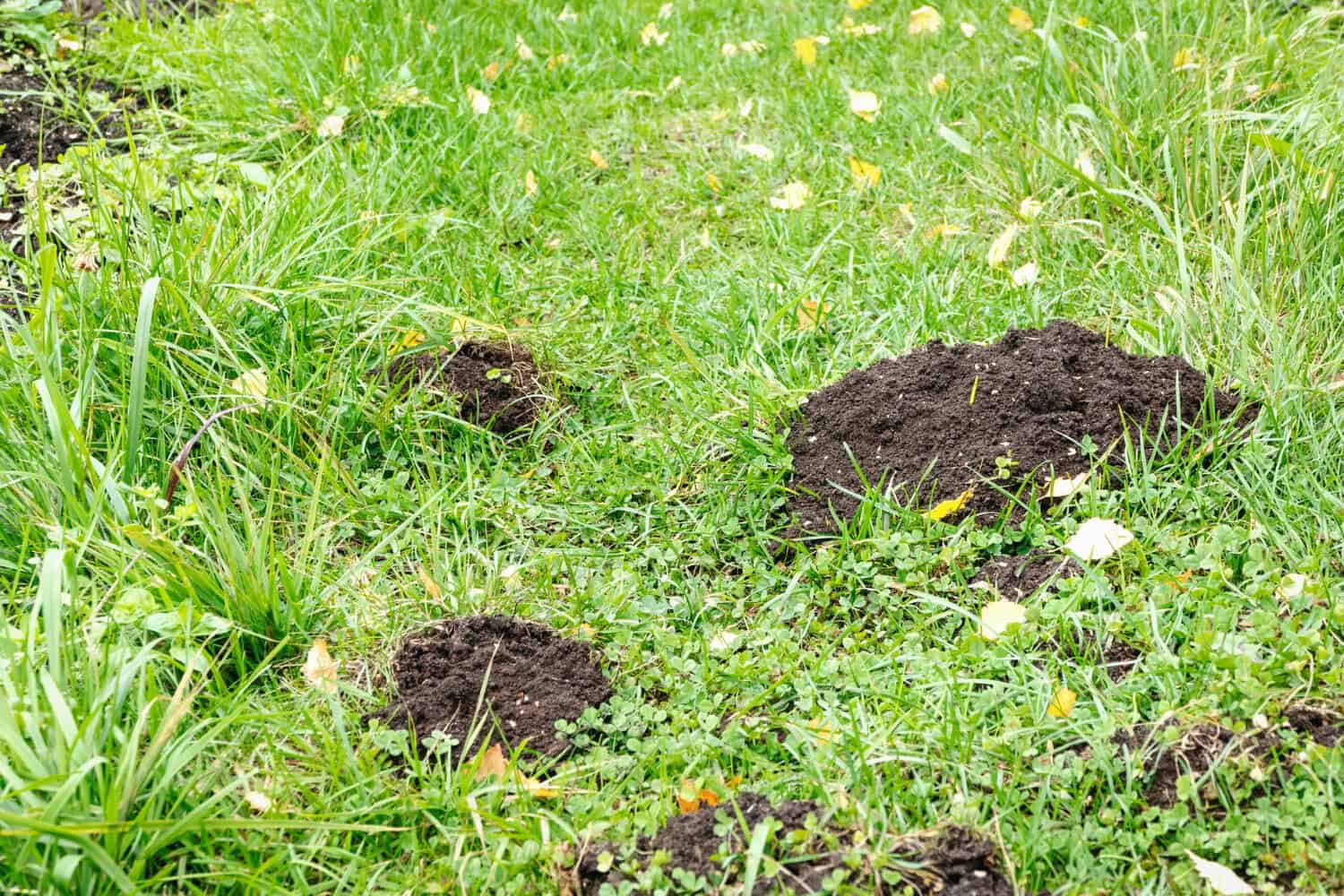
Soil mounds caused by moles in a grassy yard, indicating mole activity.

Why Your DIY Mole Removal Is Not Working

Your lawn is chewed up, soft under your feet, and full of fresh mounds. You keep knocking them down, but they are back a day or two later. You spread castor oil, toss out poison peanuts, maybe even tried those buzzing stakes from the big box store. Still, the tunnels keep coming.

Many people in our area spend money and weekends on home remedies that do nothing long term. Castor oil washes away. Ultrasonic stakes only buzz in one small spot. Flooding tunnels with a hose just makes a mess. While all that is going on, eastern ground moles stay busy underground, wrecking more of your yard. Here is why your DIY mole removal in Cincinnati is not working, what is really happening under the turf, and what it takes to stop it for good.

Why DIY Mole Fixes Fail on Cincinnati Soil

Our local soils are part of the problem. Much of Cincinnati, Dayton, Springfield, and Northern Kentucky has:

  • Softer, well-drained dirt
  • Softer, well-drained dirt
  • Plenty of earthworms and insects
  • Plenty of earthworms and insects
  • Irrigated lawns and landscaped beds
  • Irrigated lawns and landscaped beds

To a mole, that is paradise. Good turf and regular watering make it even better. They are not going to move on just because the soil smells like castor oil for a few days.

Moles build two main tunnel types. The shallow feeding runs are right under the surface, which is why your turf collapses when you step on it. The deeper main tunnels are like highways that connect feeding areas, beds, and routes to other parts of the yard. Most DIY efforts only disturb the shallow runs for a short time. The main tunnels stay intact and the same mole keeps working.

Eastern ground moles are usually solitary, so you are often dealing with one animal or a small number across a property. But each one uses a complex tunnel system. Killing grubs, flooding a few runs, or stomping down raised lines does not remove the mole that is causing the damage. The animal just digs new runs and keeps hunting.

On top of that, high-quality grass, athletic fields, and golf courses are mole magnets. Irrigation brings more worms and soil insects to the surface. That means more food and more reason for moles to stay right where they are. Casual DIY efforts rarely win against that.

The Truth About Repellents, Gadgets, and Poisons

When people get frustrated, they tend to rotate through the same list of products. We see these over and over:

  • Castor oil sprays and granules
  • Castor oil sprays and granules
  • Sonic or vibrating stakes
  • Sonic or vibrating stakes
  • Mothballs in tunnels
  • Mothballs in tunnels
  • Chewing gum or home remedies
  • Chewing gum or home remedies
  • Poison peanuts or pellets
  • Poison peanuts or pellets

These sound good on the package, but they do not match how moles actually live. Smell-based products either never reach the deeper tunnels or are washed out by rain and irrigation. Noise and vibration devices cover only a small radius. In many yards, they barely reach past a few feet of soil. Moles also get used to new sounds and mild vibrations in their environment, so the scare effect fades fast.

Poisons and toxic chemicals bring another problem. They can be risky for kids, pets, and non-target wildlife that might dig them up or eat a treated insect. At the same time, they still do not fix the real issue. Moles eat mostly live worms and insects. Getting them to eat a pellet or peanut in just the right place is hard, especially across a large yard or field.

The core problem with all of these is simple. They hope the mole will leave. For real mole removal in Cincinnati, the only proven solution is to physically remove the animals with trapping.

Why Humane Mechanical Trapping Works

Humane mechanical trapping means using fast kill, professional grade traps that are set directly in active mole runs. No poison, smoke, or gas. The goal is quick, targeted removal of the actual animal causing the damage.

At a high level, the trapping process looks like this:

  • Inspect the property and locate active tunnels
  • Inspect the property and locate active tunnels
  • Identify the main or primary runs
  • Identify the main or primary runs
  • Set traps correctly in those runs and flag them
  • Set traps correctly in those runs and flag them
  • Check and reset traps until activity stops
  • Check and reset traps until activity stops

The key is knowing which tunnels are active and how to place traps so the mole hits them during normal travel. When done right, this method targets the mole itself, not just the raised lines on the surface. Once that animal is removed, new damage stops and the lawn can finally start to recover.

Eastern ground moles do not hibernate. They are active all year, even when it is cool. That means trapping can work in every season. Many people notice damage the most in spring when the grass greens up, and in fall when moles feed heavily before winter. Those are great times to trap, but removal can be successful through summer and winter too.

Why Professional Mole Removal Beats DIY

On a residential lawn, DIY can drag on for months. On a commercial property, HOA, golf course, or sports field, that same delay can turn into serious turf repairs and complaints. Trial and error with repellents and gadgets often costs more in the long run than hiring a specialist who focuses on trapping.

A trained mole trapper reads the ground very differently than most people. Things we look at include:

  • Soil type and moisture
  • Soil type and moisture
  • Age of tunnels
  • Age of tunnels
  • Freshness of mounds and pushed dirt
  • Freshness of mounds and pushed dirt
  • Travel patterns across the property
  • Travel patterns across the property

That information drives accurate trap placement and faster results. Instead of guessing which run is active, a pro follows signs and behavior. That level of skill is hard to match with a weekend of online research.

Professional mole removal in Cincinnati also brings structure and safety. A proper service is licensed, insured, and bonded. It follows local rules for wildlife control and uses methods that fit both residential yards and high-use commercial sites. The focus is always on actual removal, not on short term gimmicks that leave moles in the ground.

What Trap Your Moles Does Differently From Others

Trap Your Moles is a humane, A+ BBB accredited mole and wildlife trapping company serving residential and commercial properties across Cincinnati, Dayton, Springfield, and Northern Kentucky. We focus only on mechanical trapping of moles and similar wildlife. No poisons. No toxic chemicals. Ever. We are licensed, insured, and bonded.

Here is what our typical mole service looks like:

  • Inspect the damaged areas, walk the yard, and map the tunnel network
  • Inspect the damaged areas, walk the yard, and map the tunnel network
  • Find and test for active primary runs
  • Find and test for active primary runs
  • Set and clearly flag traps in those runs
  • Set and clearly flag traps in those runs
  • Return regularly to check, remove, and reset traps
  • Return regularly to check, remove, and reset traps
  • Confirm when all mole activity has stopped
  • Confirm when all mole activity has stopped

Because we never use poisons, our work is designed to protect kids, pets, and non-target animals that share your property. That matters for homes, but also for schools, parks, golf courses, and office parks where people and animals are moving around every day.

We also stand behind our work. If mole activity returns during the service period, we come back and address it at no additional cost. That is not something you get from a bag of castor oil granules or a box of ultrasonic stakes.

Stop Wasting Money and Get Your Lawn Back

If you still see fresh tunnels and new mounds, your DIY mole removal in Cincinnati is not working because it is not removing the moles themselves. As long as those animals are in the ground, they will keep tunneling and feeding, no matter how many times you stomp runs flat or pour things into the soil.

Homeowners, HOAs, property managers, golf course superintendents, and municipal crews do not need another round of repellents, sonic stakes, or home remedies. What you need is a method that fits how eastern ground moles really live in our local soils and seasons. Humane mechanical trapping, done by people who understand mole behavior, is the proven way to get control of your yard, field, or course again.

Call Trap Your Moles at (513) 518-5639 today for a free estimate and get your property back under control.

Protect Your Yard With Expert Mole Removal Today

If you are seeing fresh tunnels or raised ridges in your lawn, our team at Trap Your Moles™ is ready to help restore your property. Learn how our professional mole removal in Cincinnati targets the source of the problem and helps prevent future damage. We will evaluate your situation, explain your options, and create a plan that fits your yard and schedule. To schedule service or ask questions, simply contact us today.