
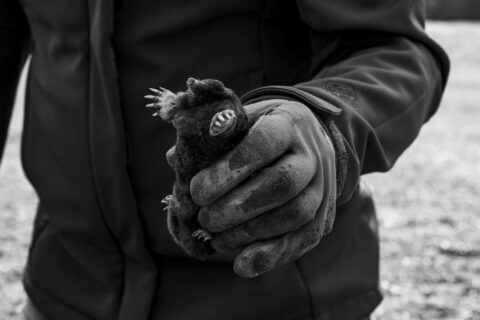

Stop Losing Your Lawn to Stubborn Moles
If your lawn feels like a sponge and looks like someone dragged a garden hose under the turf, you are not dealing with a small problem. Moles can turn a nice yard or commercial lawn into a mess of soft spots, raised tunnels, and dead patches. They create tripping hazards, tear up flower beds, and ruin all the time and money you put into your property.
Many people try to fix it on their own. Castor oil, noise stakes, poison peanuts, smoke bombs, even “ultrasonic” gadgets that promise the world. The tunnels keep coming back because the moles never left. Moles are strong diggers. They eat grubs and worms all day, and they do not care about smells, sounds, or wishful thinking. The real fix is a professional mole removal service that traps the animals, understands local soil and mole behavior, and sticks with it until the activity is actually gone. We will walk through how to tell if you really have moles, what works and what does not, how to pick a service that delivers, and what a proper trapping job should look like.
How To Know You Really Have A Mole Problem
First, you need to be sure moles are the issue. Moles leave very clear signs in lawns, especially in our Cincinnati, Dayton, Springfield, and Northern Kentucky areas.
Typical mole signs include:
- Raised surface tunnels that feel spongy when you walk on them
- Long ridges that snake across the turf
- Volcano-shaped soil mounds pushed up from below
- Activity that is worst in moist or recently watered areas
This is different from other animals. Voles are plant eaters. They chew bark and stems and leave small surface runways in grass, but not the deep raised tunnels. Groundhogs dig big open burrow holes, not thin ridges all across the yard. If you see high mounds with a large open hole, that points away from moles.
After spring rains, many properties in our area see a spike in visible tunneling. The ground is soft, worms move up, and moles take full advantage. A quick DIY try might be fine if you see only one or two short tunnels in a low-traffic corner. When to bring in a pro is pretty clear though.
You likely need a mole removal service if:
- New runs appear every morning
- Tunnels cross high visibility areas or business entrances
- Damage wraps around landscape beds or foundations
- The ground feels soft over large sections of the property
When the soil structure starts breaking down and roots sit in loose, torn soil, the clock is ticking. The longer moles keep working, the more repair work you face later.
What Actually Works For Mole Removal (And What Does Not)
There is only one proven control method for moles: targeted trapping on active runs. That means finding the tunnels moles use daily, setting professional traps correctly, and checking them often. It works because it removes the actual animals that are doing the damage.
Most Common DIY Fixes Fail, Such as:
- Repellent granules and “mole chasers” that may move moles a few feet or not at all
- Sonic or vibration stakes that sound clever on the package but do not beat a hungry mole
- Home tricks like chewing gum, hair clippings, broken glass, or castor oil sprays
These methods do not match how moles live and feed. Moles do not live in big colonies like ants. A single mole can run a large network of tunnels and will reuse main routes many times a day. If you do not trap that animal, it will keep going.
Baiting products do exist, but they are tightly controlled. In states like Ohio and Kentucky, there are rules around who can use them, how they are placed, and where they can be applied. They are not casual weekend options. A trained wildlife control pro will know when baits make sense and how to handle them safely.
Season matters too. Early summer is heavy feeding time in lawns. Fast, focused trapping during this time can stop fresh damage before heat and drought stress your turf even more.
How To Choose A Mole Removal Service That Delivers
Not every wildlife company treats moles as a priority. You want a service that focuses on mole trapping, not a “we do everything” outfit that sprays something mystery-based and leaves.
- State licensing and insurance
- Real experience with mole trapping in the Cincinnati and Northern Kentucky region
- A clear focus on trapping and monitoring, not just spraying “mole treatments”
When you talk on the phone, ask direct questions:
- Do you physically trap and remove moles, or only apply repellents?
- How often do you check traps?
- Do you map active runs and explain your plan on site?
- How do you decide when the job is finished?
You also want a clear, simple pricing structure. Homeowners and property managers should know what each visit includes and how the service defines success. Avoid vague “treatment plans” that drag on without anyone showing you actual trapped moles or a drop in fresh activity.
What A Professional Trapping Visit Should Look Like
A proper mole trapping job follows a clear process. At Trap Your Moles, a visit starts with a walk of the entire property. We look at the yard, beds, and any problem spots. We keep an eye out for kids’ play areas, pets, fences, and irrigation or utility lines.
Next, we test tunnels to find the main travel runs. Not every tunnel is equal. Some are short feeders, some are highways. Once we identify the key runs, we set professional-grade traps at the right depth and angle. These are not cheap hardware store gadgets tossed in at random. They are placed with a plan and flagged or mapped.
Follow-up is critical. Traps are checked on a regular schedule. Caught moles are removed. New activity is tracked so you can see the trend moving in the right direction. Most homes see several visits over one to two weeks. Larger commercial or multi-acre properties can take longer, since more ground has to be covered.
After trapping, we share basic aftercare advice, such as:
- Gently leveling tunnels
- Reseeding or patching damaged turf
- Watching for any new runs in future seasons
If you notice fresh tunnels months down the road, that usually means new moles have moved in, not that the old ones “came back from the dead.” Quick action at that point keeps things under control.
Quick FAQs On Hiring A Mole Removal Pro
How Long Will It Take to See Results?
Many properties notice activity start to drop within a few days. Full control often comes within one to three weeks, depending on property size and how many moles are present.
Is Trapping Safe for Kids and Pets?
A pro sets traps underground on active runs. Locations are flagged and mapped, and we explain where everything is so families, maintenance crews, and pets stay safe.
Can You Guarantee Moles Will Never Come Back?
No one can put a fence around wild moles. What you can expect is fast, effective control whenever they show up. That is the real value of a reliable mole removal service.
Do I Still Need Lawn Treatments for Grubs?
Moles eat grubs but also eat earthworms and other soil insects. Treating grubs alone does not “starve out” moles. For many properties, a good lawn care plan plus a trusted mole removal service works best over the long term.
Is a Mole Removal Service Worth It vs. DIY?
Endless DIY products, weekend work, and turf repairs add up. A focused trapping job removes the animals that are causing damage, so you can protect your lawn or grounds and stop chasing gimmicks.
Ready to stop the tunneling and protect your property for good? Call (513) 518-5639 for a free estimate.
Protect Your Yard With Professional Mole Removal Today
If you are seeing fresh mole mounds or raised tunnels, now is the time to act before the damage spreads. At Trap Your Moles™, we provide a proven mole removal service that targets the source of the problem so your lawn can recover quickly. Reach out to contact us and we will schedule a visit, assess your yard, and outline a clear plan to get your property back in shape.