
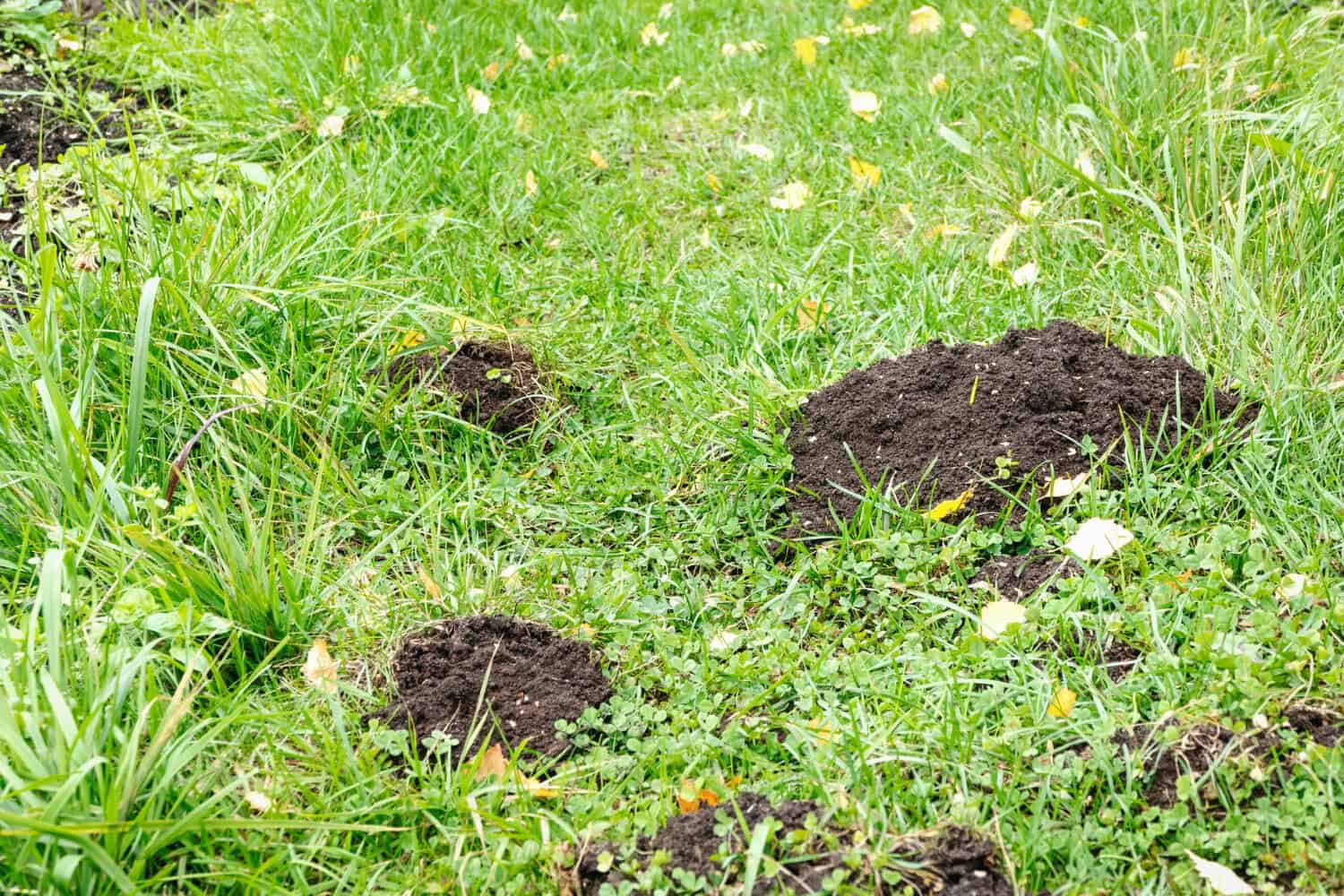

Why Your DIY Mole Removal Is Not Working
Your lawn is chewed up, soft under your feet, and full of fresh mounds. You keep knocking them down, but they are back a day or two later. You spread castor oil, toss out poison peanuts, maybe even tried those buzzing stakes from the big box store. Still, the tunnels keep coming.
Many people in our area spend money and weekends on home remedies that do nothing long term. Castor oil washes away. Ultrasonic stakes only buzz in one small spot. Flooding tunnels with a hose just makes a mess. While all that is going on, eastern ground moles stay busy underground, wrecking more of your yard. Here is why your DIY mole removal in Cincinnati is not working, what is really happening under the turf, and what it takes to stop it for good.
Why DIY Mole Fixes Fail on Cincinnati Soil
Our local soils are part of the problem. Much of Cincinnati, Dayton, Springfield, and Northern Kentucky has:
- Softer, well-drained dirt
- Softer, well-drained dirt
- Plenty of earthworms and insects
- Plenty of earthworms and insects
- Irrigated lawns and landscaped beds
- Irrigated lawns and landscaped beds
To a mole, that is paradise. Good turf and regular watering make it even better. They are not going to move on just because the soil smells like castor oil for a few days.
Moles build two main tunnel types. The shallow feeding runs are right under the surface, which is why your turf collapses when you step on it. The deeper main tunnels are like highways that connect feeding areas, beds, and routes to other parts of the yard. Most DIY efforts only disturb the shallow runs for a short time. The main tunnels stay intact and the same mole keeps working.
Eastern ground moles are usually solitary, so you are often dealing with one animal or a small number across a property. But each one uses a complex tunnel system. Killing grubs, flooding a few runs, or stomping down raised lines does not remove the mole that is causing the damage. The animal just digs new runs and keeps hunting.
On top of that, high-quality grass, athletic fields, and golf courses are mole magnets. Irrigation brings more worms and soil insects to the surface. That means more food and more reason for moles to stay right where they are. Casual DIY efforts rarely win against that.
The Truth About Repellents, Gadgets, and Poisons
When people get frustrated, they tend to rotate through the same list of products. We see these over and over:
- Castor oil sprays and granules
- Castor oil sprays and granules
- Sonic or vibrating stakes
- Sonic or vibrating stakes
- Mothballs in tunnels
- Mothballs in tunnels
- Chewing gum or home remedies
- Chewing gum or home remedies
- Poison peanuts or pellets
- Poison peanuts or pellets
These sound good on the package, but they do not match how moles actually live. Smell-based products either never reach the deeper tunnels or are washed out by rain and irrigation. Noise and vibration devices cover only a small radius. In many yards, they barely reach past a few feet of soil. Moles also get used to new sounds and mild vibrations in their environment, so the scare effect fades fast.
Poisons and toxic chemicals bring another problem. They can be risky for kids, pets, and non-target wildlife that might dig them up or eat a treated insect. At the same time, they still do not fix the real issue. Moles eat mostly live worms and insects. Getting them to eat a pellet or peanut in just the right place is hard, especially across a large yard or field.
The core problem with all of these is simple. They hope the mole will leave. For real mole removal in Cincinnati, the only proven solution is to physically remove the animals with trapping.
Why Humane Mechanical Trapping Works
Humane mechanical trapping means using fast kill, professional grade traps that are set directly in active mole runs. No poison, smoke, or gas. The goal is quick, targeted removal of the actual animal causing the damage.
At a high level, the trapping process looks like this:
- Inspect the property and locate active tunnels
- Inspect the property and locate active tunnels
- Identify the main or primary runs
- Identify the main or primary runs
- Set traps correctly in those runs and flag them
- Set traps correctly in those runs and flag them
- Check and reset traps until activity stops
- Check and reset traps until activity stops
The key is knowing which tunnels are active and how to place traps so the mole hits them during normal travel. When done right, this method targets the mole itself, not just the raised lines on the surface. Once that animal is removed, new damage stops and the lawn can finally start to recover.
Eastern ground moles do not hibernate. They are active all year, even when it is cool. That means trapping can work in every season. Many people notice damage the most in spring when the grass greens up, and in fall when moles feed heavily before winter. Those are great times to trap, but removal can be successful through summer and winter too.
Why Professional Mole Removal Beats DIY
On a residential lawn, DIY can drag on for months. On a commercial property, HOA, golf course, or sports field, that same delay can turn into serious turf repairs and complaints. Trial and error with repellents and gadgets often costs more in the long run than hiring a specialist who focuses on trapping.
A trained mole trapper reads the ground very differently than most people. Things we look at include:
- Soil type and moisture
- Soil type and moisture
- Age of tunnels
- Age of tunnels
- Freshness of mounds and pushed dirt
- Freshness of mounds and pushed dirt
- Travel patterns across the property
- Travel patterns across the property
That information drives accurate trap placement and faster results. Instead of guessing which run is active, a pro follows signs and behavior. That level of skill is hard to match with a weekend of online research.
Professional mole removal in Cincinnati also brings structure and safety. A proper service is licensed, insured, and bonded. It follows local rules for wildlife control and uses methods that fit both residential yards and high-use commercial sites. The focus is always on actual removal, not on short term gimmicks that leave moles in the ground.
What Trap Your Moles Does Differently From Others
Trap Your Moles is a humane, A+ BBB accredited mole and wildlife trapping company serving residential and commercial properties across Cincinnati, Dayton, Springfield, and Northern Kentucky. We focus only on mechanical trapping of moles and similar wildlife. No poisons. No toxic chemicals. Ever. We are licensed, insured, and bonded.
Here is what our typical mole service looks like:
- Inspect the damaged areas, walk the yard, and map the tunnel network
- Inspect the damaged areas, walk the yard, and map the tunnel network
- Find and test for active primary runs
- Find and test for active primary runs
- Set and clearly flag traps in those runs
- Set and clearly flag traps in those runs
- Return regularly to check, remove, and reset traps
- Return regularly to check, remove, and reset traps
- Confirm when all mole activity has stopped
- Confirm when all mole activity has stopped
Because we never use poisons, our work is designed to protect kids, pets, and non-target animals that share your property. That matters for homes, but also for schools, parks, golf courses, and office parks where people and animals are moving around every day.
We also stand behind our work. If mole activity returns during the service period, we come back and address it at no additional cost. That is not something you get from a bag of castor oil granules or a box of ultrasonic stakes.
Stop Wasting Money and Get Your Lawn Back
If you still see fresh tunnels and new mounds, your DIY mole removal in Cincinnati is not working because it is not removing the moles themselves. As long as those animals are in the ground, they will keep tunneling and feeding, no matter how many times you stomp runs flat or pour things into the soil.
Homeowners, HOAs, property managers, golf course superintendents, and municipal crews do not need another round of repellents, sonic stakes, or home remedies. What you need is a method that fits how eastern ground moles really live in our local soils and seasons. Humane mechanical trapping, done by people who understand mole behavior, is the proven way to get control of your yard, field, or course again.
Call Trap Your Moles at (513) 518-5639 today for a free estimate and get your property back under control.
Protect Your Yard With Expert Mole Removal Today
If you are seeing fresh tunnels or raised ridges in your lawn, our team at Trap Your Moles™ is ready to help restore your property. Learn how our professional mole removal in Cincinnati targets the source of the problem and helps prevent future damage. We will evaluate your situation, explain your options, and create a plan that fits your yard and schedule. To schedule service or ask questions, simply contact us today.