
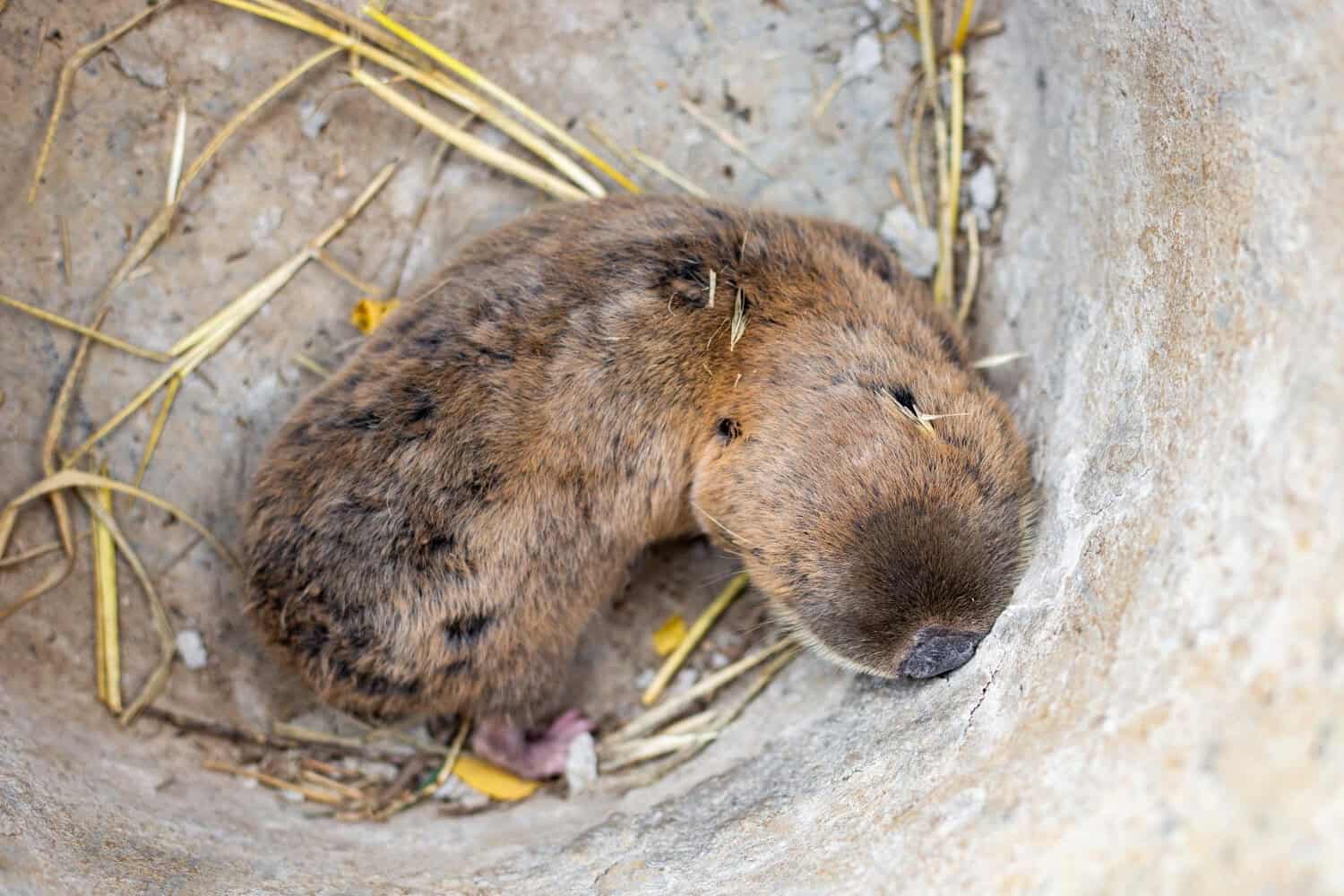

Stop Letting Moles Wreck Your Dayton Property
Moles do not care how much you spent on sod, seed, or landscaping. They just care that your soil is soft and full of food. One day the turf looks fine, the next day you are stepping into soft spots and lumpy ridges. Lawns get ugly fast, and people get frustrated even faster.
On residential lots, that means twisted ankles, bare patches, and chewed-up flower beds. On commercial and HOA properties, it means angry tenants, unsafe walkways, and fields that are not safe to play on. Many property owners in the Dayton area pour money into castor oil, solar spikes, chewing gum, and every new “miracle” product on the shelf, then watch fresh tunnels show up right next to yesterday’s purchase.
We see the same outside mole control service mistakes over and over. When those mistakes stack up, moles keep tunneling, turf repair costs climb, and the property keeps getting worse. Here is a clear breakdown of what goes wrong and what needs to change.
Why Waiting for Fall to “Slow Things Down” Backfires
A lot of people hope mole activity will just burn out on its own. They see new runs in late summer, shrug, and say, “We will deal with it in the spring.” That delay is one of the biggest mistakes we see on Dayton properties.
Late summer through fall is prime mole time in our area. Soil usually has enough moisture for easy digging. Food is active. Moles are busy building and feeding before winter. That means:
- New tunnels get pushed under lawns, beds, and mulch
- Existing runways get deeper and more spread out
- Activity creeps under sidewalks, driveway edges, and turf edges
When you wait, you are not holding things steady. You are giving moles months to expand their network. By the time spring comes around, the damage is baked in. Lawns sit on top of a web of tunnels, and what used to be a few runs can turn into:
- Large soft areas under turf
- Ruts where mowers sink or bounce
- Extra labor for re-grading, re-seeding, or re-sodding
The earlier a proper mole control service starts, the less ground is lost. Stopping active moles while the damage is still contained is always easier than trying to fix a season of unchecked tunneling.
Why Repellents Alone Keep You Chasing Your Tail
Repellents sound good on paper. Spray something, spike something into the ground, then wait for the moles to leave. The problem is simple. Repellents move moles. They do not remove moles.
Hardware store products like:
- Castor oil-based liquids and granules
- Sonic or solar stakes
- Scented pellets and sprays
may shift mole runs from one part of a property to another. For a week or two, one corner looks better, then new ridges pop up across a different lawn panel or along a different bed line. On a larger property, that just means you spent time and money to rearrange the damage.
A real mole control service focuses on trapping and taking animals out of the system. That is how you cut down on fresh tunnels in the first place. Repellents have to be reapplied over and over, especially after rain or irrigation cycles. By the time you spread, spray, and re-buy, that “cheap” option often turns into a slow-moving headache.
Targeted trapping is different. Once problem moles are actually removed, those same high-visibility areas, like front lawns, entrances, and fairways, can stay quiet much longer instead of being chewed up again and again by the same animals.
Why General Pest Control is Not Enough for Moles
When turf starts to buckle, many people call whoever they use for ants and spiders. That is another big mistake. General pest programs are usually built around bait stations, sprays, and indoor or surface pests. Moles are a different problem.
Moles live and hunt deep in the soil. They do not move like mice and they do not feed like common “bugs.” Controlling them takes:
- Specialized mole traps, not generic mouse traps
- Careful reading of soil moisture and texture
- Mapping of active runways, not just any visible line
A general pest technician may lay out bait or basic traps, but without proper placement on active runways, those tools sit in dead areas and catch nothing. An experienced mole trapping company spends most of its effort figuring out where the moles are traveling and when those runs are active. That means looking at:
- Fresh soil push-ups and how they connect
- How the property drains and holds moisture
- Where food sources tend to concentrate
Once that pattern is clear, traps can be set where the odds of a catch are actually high. That difference in focus is what separates real mole control service from a general pest visit that leaves the tunnels untouched below the surface.
The Hidden Damage You Do Not See on Day One
Those raised tracks and mounds across your lawn are just the surface sign. Under that, moles can create deeper tunnels that run under more than grass. Shallow runs are ugly. Deep runs are risky.
Underground activity can:
- Undermine walkways and pavers
- Loosen soil around irrigation lines
- Disturb root zones of trees and shrubs
On commercial sites, HOAs, sports fields, and golf areas, that brings more than just lawn complaints. Trip hazards show up where turf is hollow. Playfields feel spongy and unsafe. Roughs, common areas, and side slopes start to slump, and people notice.
If an outside mole control service only rakes down mounds and works on the top inch of soil, it is not solving the full problem. Effective control has to address both the surface feeding runs and the deeper travel tunnels. That means tracking activity through the property, not just smoothing dirt and calling it done.
Why Follow-Up and Long-Term Planning Matter
Another common mistake is treating mole control as a one-time event. A few traps go out, one or two animals are removed, and then everyone forgets about moles until the next big flare-up. On larger properties around Dayton, that pattern invites repeat trouble.
Moles are drawn by food, mainly grubs and earthworms. Even if current moles are removed, new animals can wander in from:
- neighboring lawns and fields
- Greenbelts and tree lines
- Creek banks and wooded edges
That is why many properties benefit from monitoring cycles. Instead of waiting until tunnels are all over the place again, a good mole control program checks hot spots and edges on a regular schedule. Small problems are caught while they are still small.
For HOAs, golf courses, and athletic fields, this kind of plan helps:
- Keep turf ready for play and events
- Reduce surprise repair work and turf replacement
- Spread out maintenance so budgets are easier to manage
You can react after every big burst of damage, or you can treat mole control like mowing and irrigation, something that stays on the map all year.
Have Trap Your Moles Protect Your Dayton Turf
Most wrecked lawns and torn-up common areas get that way from the same set of mistakes. People wait for “later.” They trust repellents that only shuffle moles around. They lean on general pest programs that are not built for deep-soil tunneling. They ignore the hidden damage below the surface. Then they skip follow-up until the next crisis hits.
Trap Your Moles focuses on wildlife and mole trapping for residential and commercial properties in the Cincinnati, Dayton, Springfield, and Northern Kentucky region. We spend our time reading soil, tracking runways, and removing the animals that are actually doing the damage.
If moles are tearing up your lawn, fields, or common areas, it will not get better by waiting or re-spraying the same repellent. A focused mole control service can stop the tunneling, protect your turf, and help you stay ahead of the next wave of activity.
Call (513) 518-5639 for a free estimate.
Protect Your Yard With Proven Mole Removal Solutions
If you are tired of fresh mole hills appearing overnight, let Trap Your Moles™ restore your lawn with our professional mole control service. We use targeted, effective methods to quickly reduce activity and help prevent future damage. Reach out today and we will walk you through the next steps and schedule a convenient visit. Have questions before you get started? Simply contact us and our team will be happy to help.