What Professional Mole Trapping in Cincinnati Really Involves

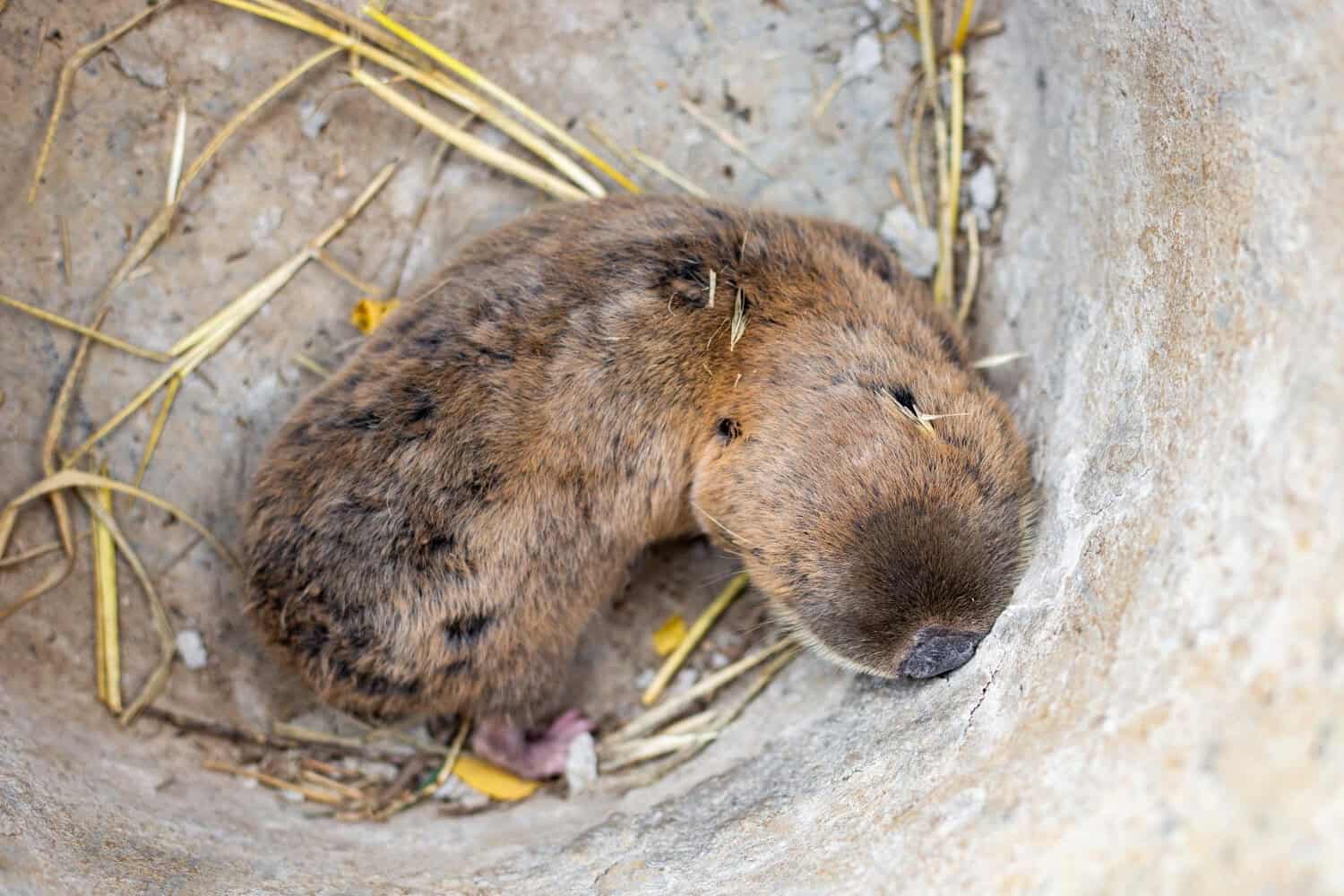
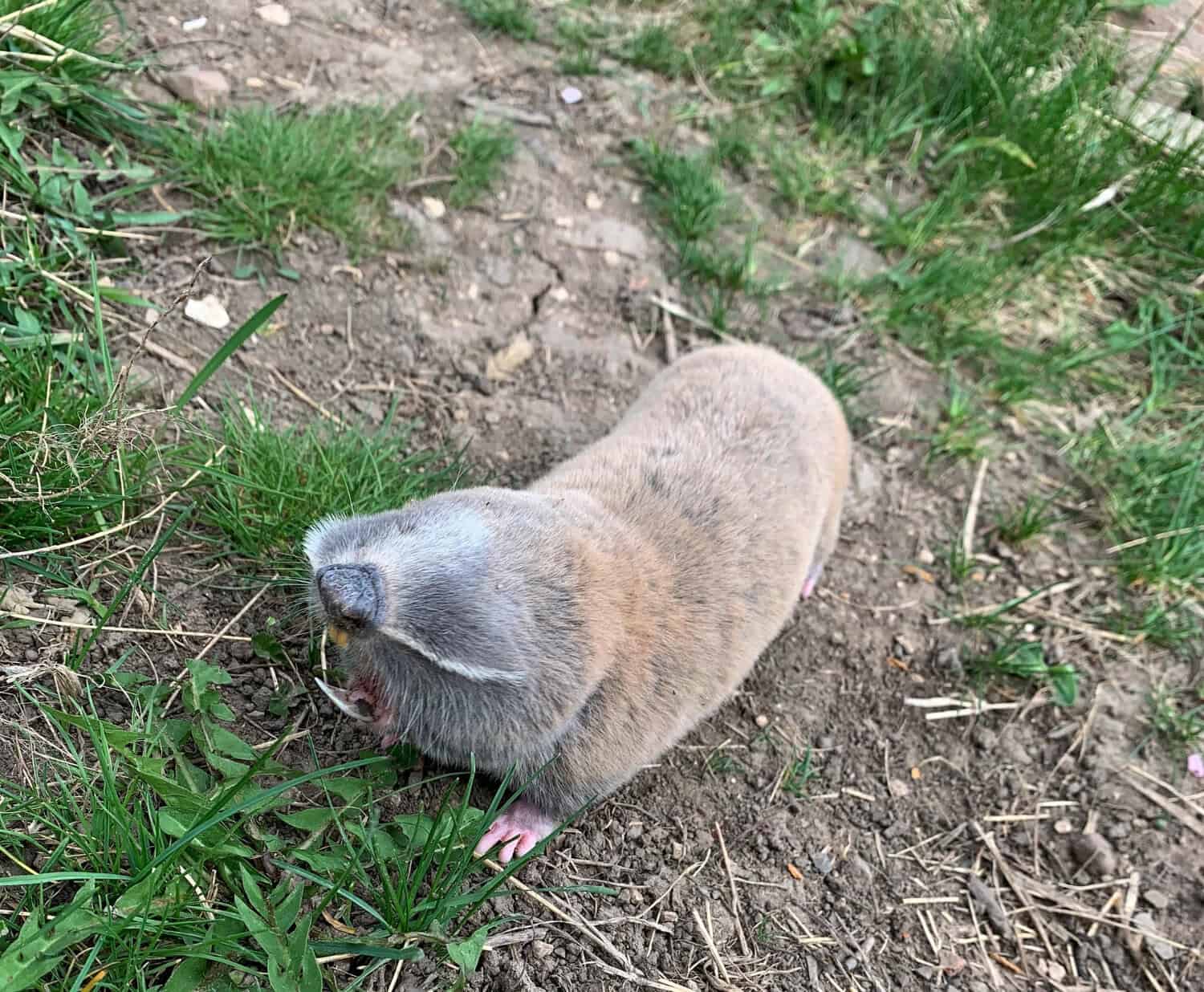
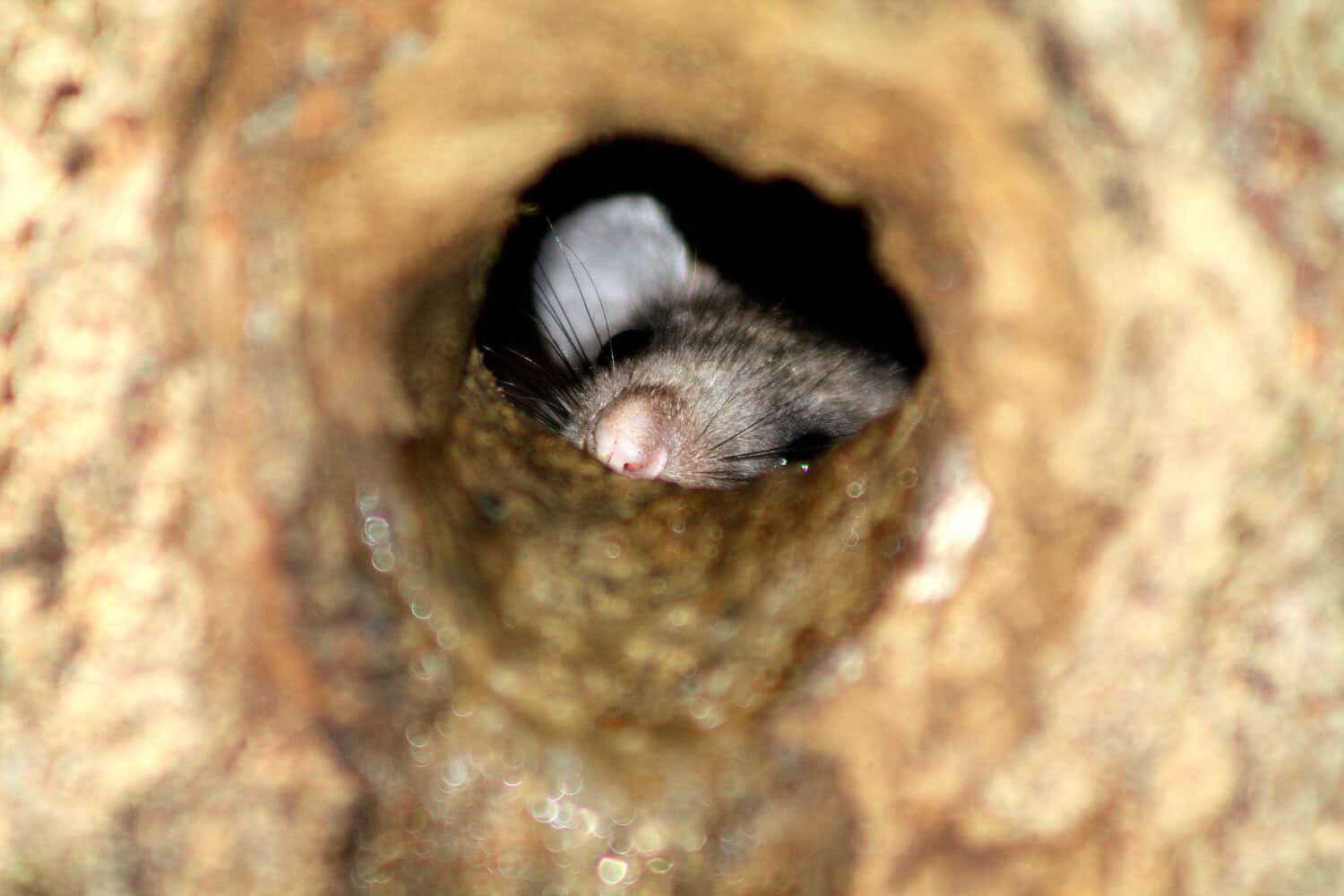
Mole emerging from the soil with a snail nearby, in natural outdoor setting.

What Professional Mole Trapping in Cincinnati Really Involves

Moles can tear up a nice yard faster than almost anything else. One day the grass looks fine, then you see raised lines, soft spots, and dead streaks where tunnels run under the surface. It feels like you are paying to water and mow a lawn that just gets worse.

Many people in Greater Cincinnati, Dayton, Springfield, and Northern Kentucky pour money into quick fixes that do nothing. Castor oil, grub control, poison peanuts, and cheap traps might sound good on the label, but the tunnels keep spreading. Professional mole trapping is different because it treats moles as a wildlife problem with a system, not as a weekend project.

Tired of Torn Up Lawns And Wasted Money

Those lumpy tunnels are more than ugly. They can cause real problems on a property. You may be dealing with:

  • Dead or yellow strips of grass  
  • Soft, squishy areas that twist ankles  
  • Exposed roots and rocks where dirt has been pushed up  
  • Trip hazards on play areas and walkways  

After a while, frustration sets in. People start trying anything they see at the store or online. Common failed attempts include:

  • Castor oil sprays or granules  
  • Grub treatments used only for moles  
  • Poison peanuts or worm-shaped baits  
  • Sonic spikes and buzzing gadgets in the ground  
  • Hardware store traps that never seem to fire  

Professional mole trapping in Cincinnati treats the problem like wildlife control, not lawn care. It looks at the animal, its habits, and its tunnels, and it uses a planned approach instead of guessing.

What Is Actually Tearing Up Your Property

In our area, the main culprit is the Eastern ground mole. These moles live almost their whole lives underground. You might never see one, even if your whole yard is covered in tunnels.

A few key facts help explain the damage:

  • Eastern ground moles do not hibernate; they are active year-round  
  • Activity often spikes in late spring and early summer, but it can happen any month  
  • They spend their time hunting in the soil, not hanging out on the surface  

There is also a big myth about grubs. Many people are told that moles only show up because of grubs, and that a grub treatment will make them leave. In real life, moles eat a mix of soil insects and earthworms. They can stay in a yard that has very few grubs, and they can move across properties even if you treat your soil.

This is why treating for grubs almost never solves a mole problem by itself. You might kill some insects, but the moles keep tunneling, or new moles move in from next door.

Why DIY Mole Fixes Usually Fail

Most DIY mole products focus on the lawn, not on how Eastern ground moles actually move and feed. That is a big reason many do not work.

Common DIY methods include:

  • Repellents that claim to make soil taste or smell bad  
  • Sonic spikes that buzz or vibrate in the ground  
  • Poison baits and toxic worms  
  • Flooding tunnels with a hose  
  • Home-made traps or poorly set store traps  

Trapping is the only proven mole solution. Repellents wear off or are ignored. Sonic devices often only move moles to another part of the yard. Poisons and toxic chemicals add risk for kids, pets, and non-target wildlife that might dig them up.

Even when people buy traps, they usually run into three problems:

  • Guessing at tunnel locations instead of finding the main runs  
  • Setting traps at the wrong depth or angle  
  • Checking too rarely, so active tunnels shift away from the trap  

The result is more damage, more time lost, and no moles caught.

How Professional Mole Trapping Works

Professional mole trapping in Cincinnati starts with a solid inspection. We do not just wander around poking at hills. We read the sign.

A proper inspection includes:

  • Walking the property to find the freshest tunnels and mounds  
  • Mapping active runs, especially in high-traffic or high-value areas  
  • Separating deep, main travel tunnels from shallow feeding tunnels  

Main travel runs matter most, because that is where moles regularly move. That is where professional-grade mechanical traps belong.

Humane mechanical trapping means:

  • Using quick kill traps, not poisons or slow methods  
  • Placing traps only in active, confirmed tunnels  
  • Setting traps underground so kids and pets do not have access  
  • Checking traps on a regular schedule until activity stops  

A professional service also runs on a plan. There is a clear layout of trap locations, a schedule for checks or resets, and a defined service period. Each mole job is treated as a specific project, not a one-time visit.

What To Expect On Your Property

When a licensed wildlife company comes to handle moles, the process is simple but structured. A typical trapping service looks like this:

  • First call and basic questions about your yard or site  
  • On-site evaluation to confirm active mole sign  
  • Written plan that explains the service and number of visits  

During the first visit, we walk the ground, flag key tunnels, and place traps in the main runs. We mark trap locations so you know where they are, and we explain how to keep kids and pets clear of those areas.

From there, we return on a set schedule to:

  • Check and reset traps as needed  
  • Add or move traps if moles shift to new runs  
  • Watch for fresh sign and adjust the plan  

A good service includes a clear guarantee. If mole activity returns during the service period, the company comes back at no added cost until that period is over. You are not left guessing if the work is really backed up.

Protecting Lawns, Sports Fields, And Commercial Sites

Home lawns are not the only places that suffer from mole damage. Moles can cause real safety and liability problems on larger sites, such as:

  • HOA common lawns and entrances  
  • Golf courses and putting greens  
  • Soccer, baseball, and football fields  
  • Office parks and municipal grounds  

On these properties, one twisted ankle in a soft tunnel can turn into a serious issue. There is also the cost of constant reseeding, topdressing, and cosmetic repairs.

Systematic trapping across a large site is very different from spot treating one yard at a time. It includes:

  • Mapping the property into zones  
  • Setting traps across the whole active area, not just one edge  
  • Scheduling regular checks that fit around mowing and events  

Long-term control often means planning for ongoing monitoring. High risk areas can be checked on a routine basis. New sign can be handled quickly, before tunnels spread across multiple fields or buildings. Many managers find it easier to budget for steady, planned service instead of surprise emergencies.

Why Humane Trapping Beats Poisons Every Time

Humane mechanical trapping focuses on quick, targeted results. Quick kill traps are set only in active tunnels, out of sight and reach, and there are no poisons or toxic fumes on site.

Compared with poison baits and gas products, trapping offers clear benefits:

  • No risk of a pet digging up poisoned bait  
  • No toxic smoke or gas in the same soil where kids play  
  • No danger to owls, hawks, or other wildlife that might eat a dead mole  
  • No chemical residue spread through tunnels under your lawn  

Mechanical trapping is direct. One tunnel, one trap, one mole. That is why it is the standard approach for professional wildlife control when moles are the problem.

Stop The Tunneling And Get Your Yard Back

You do not have to live with soft spots, dead streaks, and fresh tunnels popping up every week. Eastern ground moles can be controlled any time of year, and the sooner trapping starts after fresh sign appears, the easier it is to stop the damage.

Trap Your Moles treats mole trapping in Cincinnati and the surrounding region as a focused wildlife job. We use humane mechanical traps only, we are A+ BBB Accredited, licensed, insured, and bonded, and we guarantee our work during the service period. If mole activity returns during your service period, we return at no additional cost.

If you are ready for a professional plan that actually stops the activity instead of another gimmick, call Trap Your Moles at (513) 518-5639 for a free estimate.

Protect Your Yard With Fast, Effective Mole Removal

If you are seeing raised tunnels or soft spots in your lawn, our professional mole trapping in Cincinnati can stop the damage before it spreads. At Trap Your Moles™, we use proven trapping methods tailored to your property for safe, targeted results. Reach out today through our contact page so we can inspect your yard and put a plan in place to protect your landscape.

What Happens When You Ignore Mole Tunnels in Cincinnati Yards

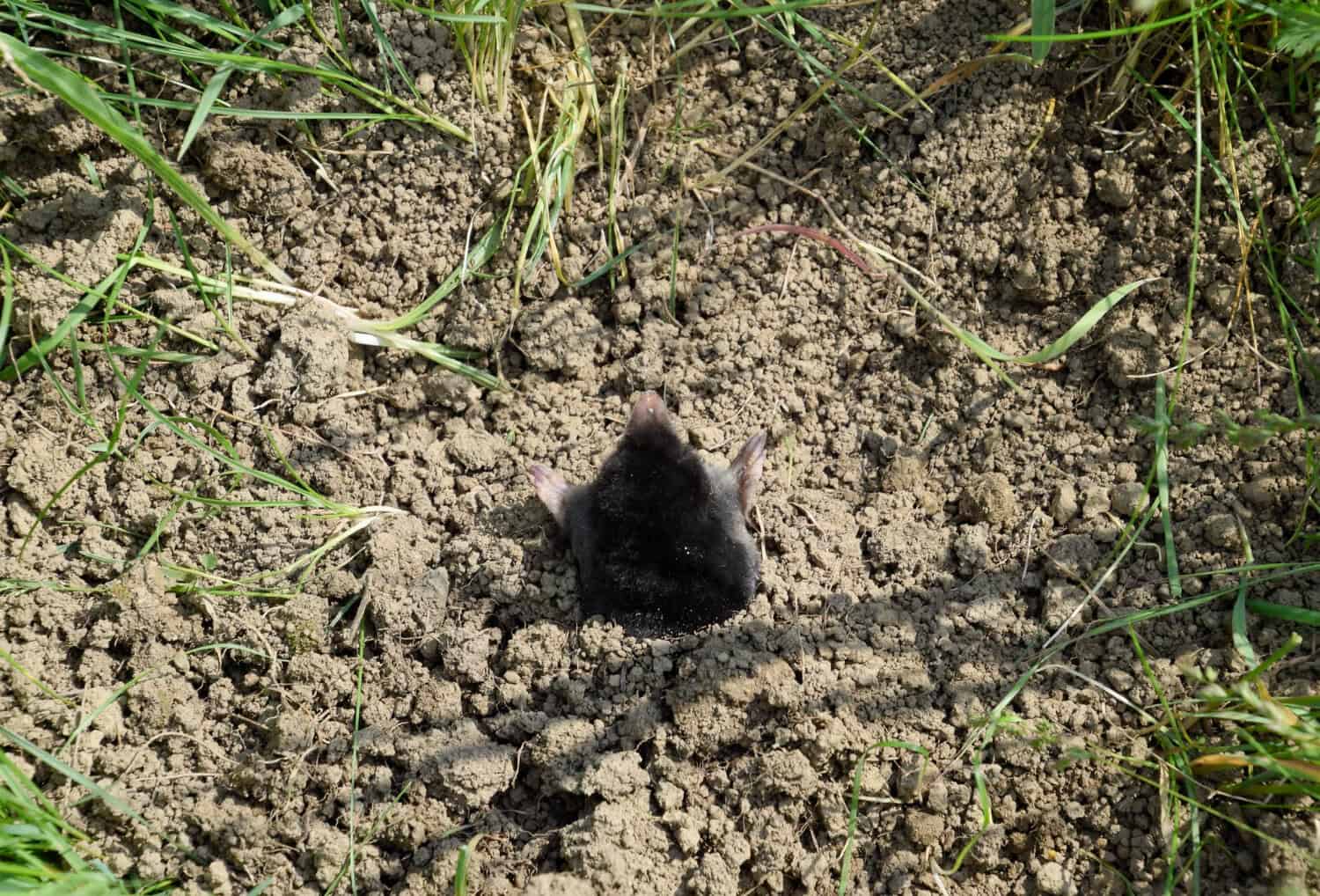
Mole emerging from the soil in a garden or yard setting.

When Ignoring Mole Tunnels Gets Expensive Fast

Mole tunnels never stay “just a few” for long. Those squishy lines in the grass turn into soft spots, mower ruts, and ugly bare patches before you know it. Many homeowners and property managers in Cincinnati, Dayton, Springfield, and Northern Kentucky have already poured money into castor oil, pellets, and sonic stakes that did nothing while the moles kept digging.

Our area gets wet springs and heavy summer storms that really show off mole damage. Soft ground makes tunnels rise higher, and every mowing pass presses them down into ruts. What you see on the surface is only the top of a full underground network. When you ignore it, you give moles time to expand their runs and raise more young right under your lawn.

Here is what really happens when you leave mole tunnels alone, why DIY tricks usually fail, and why professional mole removal in Cincinnati is the only real way to get your yard back under control.

How Mole Tunnels Wreck Lawns and Landscapes

Moles do not eat your grass, but their tunnels slowly destroy it. As they push through the soil, they lift the roots right off the dirt that feeds them.

Here is what that looks like:

  • Tunnels collapse underfoot and under mower tires  
  • Ruts and low spots form in high-traffic areas  
  • Grass starts to thin out in long streaks  
  • Patches turn brown even when you water  

On residential lawns, that means twisted ankles and ugly stripes across what used to be a clean yard. On larger sites like HOAs, athletic fields, and commercial properties, it can turn into a real safety issue. Kids running on bumpy turf and seniors walking across soft ground are one bad step away from a fall.

Those raised runs also break the bond between soil and root. Once that happens, you can water and fertilize all you want, but the grass still dries out. It simply cannot pull moisture and nutrients the same way. Over time, those green lines turn into brown scars.

During heavy spring and early summer rains, mole tunnels act like tiny drains. Water runs through them, then:

  • Slopes wash out and start to slump  
  • Mulch slides off beds and into the yard  
  • Soil settles around sidewalks, driveways, and patios  
  • Edging and borders shift and open up gaps  

Fresh mole runs also invite other pests. Voles and mice like to use the mole highways so they do not have to dig as much. They chew on roots, bulbs, and expensive landscape plants. So you start with moles, and end up with a second problem on top of the first.

The Hidden Costs of Doing Nothing About Moles

Leaving moles alone always costs more in the long run. The damage spreads while you keep paying to fix the same areas over and over.

Most homeowners and managers end up spending money on:

  • Repeat lawn repairs and topsoil  
  • Overseeding or sod replacement  
  • Extra irrigation trying to save stressed turf  
  • New plants and shrubs that keep getting hit  

On commercial properties and HOA grounds, the bill is not just for repairs. There is the risk of trip-and-fall incidents, complaints from tenants, kids getting hurt during play, and pressure from boards to keep common areas safe and good looking.

Then there is all the money wasted on things that do not solve the problem. Poison peanuts, “miracle” sprays, castor oil, granules, and sonic spikes are common. Moles simply tunnel around them or ignore them, especially when grub and worm levels are high in the late spring and summer. The food is there, so the moles stay.

Eastern ground moles do not hibernate. They are active all year. Damage slows a bit in winter when the ground is cold, but the moles keep feeding and tunneling deeper. Once the spring moisture arrives, activity on the surface explodes again. If nobody has trapped and removed the animals, the same moles keep right on tearing things up.

Why DIY Mole Fixes Fail in Cincinnati Yards

Most DIY mole tricks focus on the surface, not the animal. People stomp down tunnels, pour home remedies into the ground, or push random gadgets into the soil. That might feel good for a day, but it rarely reaches the mole where it actually lives.

Eastern ground moles in our area move fast and spend a lot of time in deeper runs. Simple tunnel smashing does not matter to them. They just reopen the run overnight or shift a few inches over. Chewing gum, hair clippings, smoke bombs, and soap mixtures do not stop a hungry mole with a yard full of grubs and earthworms.

A lot of garden center “mole control” products are really:

  • General repellents, not removal tools  
  • Poisons that target other animals, not moles  
  • Short-term fixes that wash away with rain  

These products can also create risk for pets, children, and non-target wildlife. You are adding toxins into the same ground where kids play soccer and dogs sniff and dig.

Our local clay and loam soils, along with irrigation systems and regular rain cycles, keep the ground full of food for moles. As long as they have plenty to eat underground, they have no reason to leave. That is why trapping is the only proven, humane way to remove moles from a property. Trapping is the only solution that consistently works. Successful mole removal in Cincinnati is not guesswork. It takes strategic trap placement and steady monitoring.

How Professional Trapping Actually Solves the Problem

Professional mole control is about removing the animal, not just knocking down the damage. When we come to a property, we do not just spray something and hope.

A typical trapping job includes:

  • A full inspection of the lawn and beds  
  • Locating and testing for active runs  
  • Placing mechanical traps correctly in those runs  
  • Returning on a schedule to check, reset, and adjust  

We use humane mechanical traps only. There are no poisons and no toxic chemicals involved. That means there is no risk to pets, kids, or beneficial wildlife, and no chemical residue left in lawns, gardens, or athletic fields.

Trapping targets the specific moles that are actually creating tunnels on your property. Once those animals are removed, you stop new damage at the source instead of chasing fresh piles week after week.

Trap Your Moles is a licensed, insured, and bonded wildlife control company, and we are A+ BBB-accredited. Our services come with a guarantee during the service period. If mole activity returns while we are under contract, we return at no extra cost and keep working the problem.

Stop Letting Moles Tear Up What You Paid For

Late spring and early summer are when mole damage shows up the most. Soft wet soil, more frequent mowing, and longer grass all make tunnels easier to spot and easier to ruin equipment and turf. Waiting even a few weeks during that time can let moles double the area they have already damaged.

Ignoring tunnels, or trying “just one more” DIY product, usually means more money poured into lawn repair instead of a focused trapping program that removes the actual animals. For homeowners and property managers who are tired of watching their lawns, sports fields, and common areas get torn up, working with a local specialist in humane mole removal in Cincinnati is the practical way to stop the cycle and protect what you have already paid to install and maintain.

If you are ready to stop wasting money on products that do not work and want a proven solution, call Trap Your Moles at (513) 518-5639 for a free estimate on professional mole trapping and removal.

Protect Your Yard With Proven Mole Removal Solutions

If you are seeing fresh mole tunnels or damage in your lawn, now is the time to act before the problem spreads. At Trap Your Moles™, we use targeted trapping methods to quickly and effectively solve mole issues at the source. Learn how our professional mole removal in Cincinnati can restore your property and prevent future damage. Ready to schedule service or ask a question? Simply contact us and we will help you get started.

Choosing a Mole Removal Service in Cincinnati That Actually Works

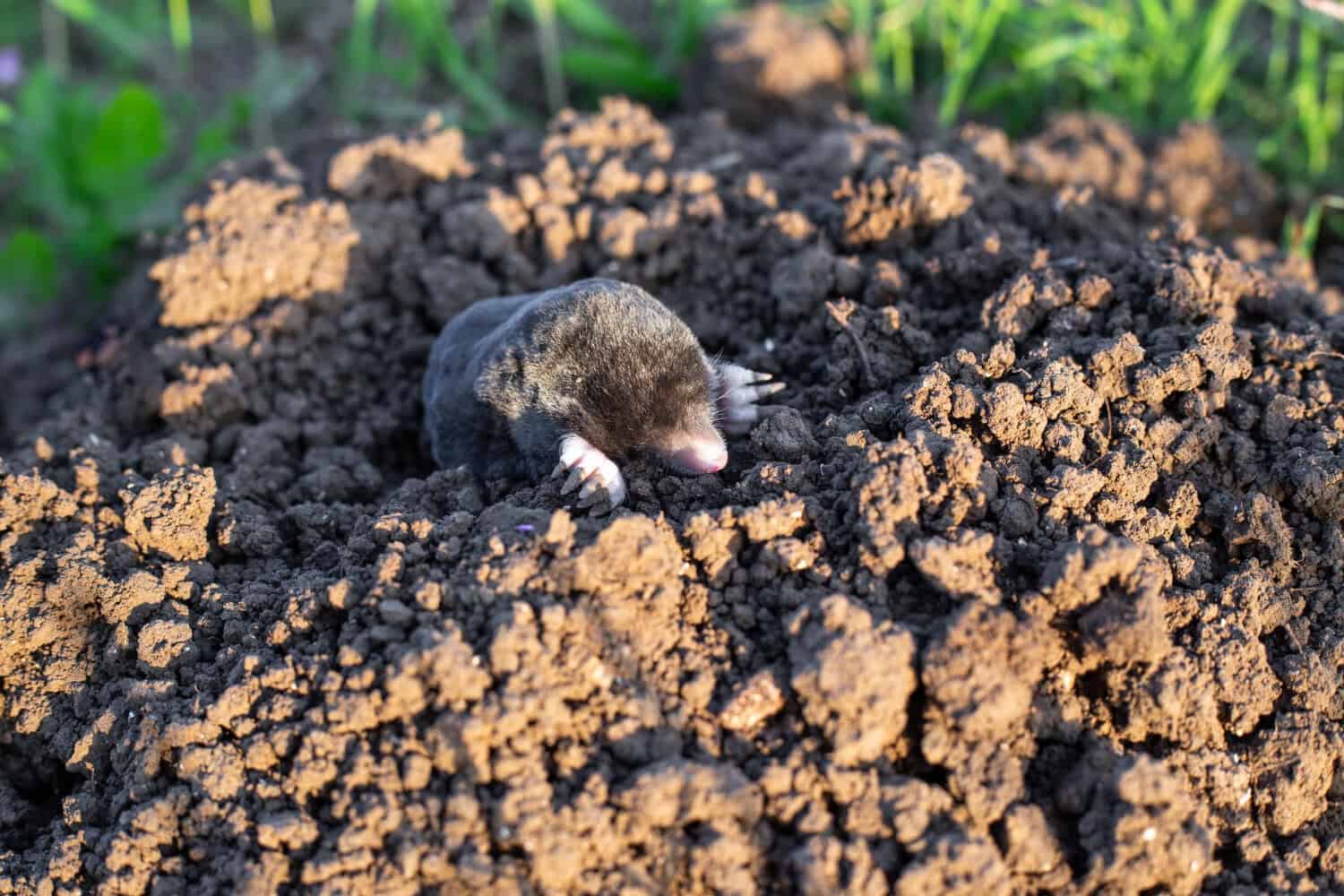
Hand holding a small mole animal, demonstrating mole removal process.

Stop Losing Your Lawn to Stubborn Moles

If your lawn feels like a sponge and looks like someone dragged a garden hose under the turf, you are not dealing with a small problem. Moles can turn a nice yard or commercial lawn into a mess of soft spots, raised tunnels, and dead patches. They create tripping hazards, tear up flower beds, and ruin all the time and money you put into your property.

Many people try to fix it on their own. Castor oil, noise stakes, poison peanuts, smoke bombs, even “ultrasonic” gadgets that promise the world. The tunnels keep coming back because the moles never left. Moles are strong diggers. They eat grubs and worms all day, and they do not care about smells, sounds, or wishful thinking. The real fix is a professional mole removal service that traps the animals, understands local soil and mole behavior, and sticks with it until the activity is actually gone. We will walk through how to tell if you really have moles, what works and what does not, how to pick a service that delivers, and what a proper trapping job should look like.

How To Know You Really Have A Mole Problem

First, you need to be sure moles are the issue. Moles leave very clear signs in lawns, especially in our Cincinnati, Dayton, Springfield, and Northern Kentucky areas.

Typical mole signs include:

  • Raised surface tunnels that feel spongy when you walk on them  
  • Long ridges that snake across the turf  
  • Volcano-shaped soil mounds pushed up from below  
  • Activity that is worst in moist or recently watered areas  

This is different from other animals. Voles are plant eaters. They chew bark and stems and leave small surface runways in grass, but not the deep raised tunnels. Groundhogs dig big open burrow holes, not thin ridges all across the yard. If you see high mounds with a large open hole, that points away from moles.

After spring rains, many properties in our area see a spike in visible tunneling. The ground is soft, worms move up, and moles take full advantage. A quick DIY try might be fine if you see only one or two short tunnels in a low-traffic corner. When to bring in a pro is pretty clear though.

You likely need a mole removal service if:

  • New runs appear every morning  
  • Tunnels cross high visibility areas or business entrances  
  • Damage wraps around landscape beds or foundations  
  • The ground feels soft over large sections of the property  

When the soil structure starts breaking down and roots sit in loose, torn soil, the clock is ticking. The longer moles keep working, the more repair work you face later.

What Actually Works For Mole Removal (And What Does Not)

There is only one proven control method for moles: targeted trapping on active runs. That means finding the tunnels moles use daily, setting professional traps correctly, and checking them often. It works because it removes the actual animals that are doing the damage.

Most Common DIY Fixes Fail, Such as:

  • Repellent granules and “mole chasers” that may move moles a few feet or not at all  
  • Sonic or vibration stakes that sound clever on the package but do not beat a hungry mole  
  • Home tricks like chewing gum, hair clippings, broken glass, or castor oil sprays  

These methods do not match how moles live and feed. Moles do not live in big colonies like ants. A single mole can run a large network of tunnels and will reuse main routes many times a day. If you do not trap that animal, it will keep going.

Baiting products do exist, but they are tightly controlled. In states like Ohio and Kentucky, there are rules around who can use them, how they are placed, and where they can be applied. They are not casual weekend options. A trained wildlife control pro will know when baits make sense and how to handle them safely.

Season matters too. Early summer is heavy feeding time in lawns. Fast, focused trapping during this time can stop fresh damage before heat and drought stress your turf even more.

How To Choose A Mole Removal Service That Delivers

Not every wildlife company treats moles as a priority. You want a service that focuses on mole trapping, not a “we do everything” outfit that sprays something mystery-based and leaves.

  • State licensing and insurance  
  • Real experience with mole trapping in the Cincinnati and Northern Kentucky region  
  • A clear focus on trapping and monitoring, not just spraying “mole treatments”  

When you talk on the phone, ask direct questions:

  • Do you physically trap and remove moles, or only apply repellents?  
  • How often do you check traps?  
  • Do you map active runs and explain your plan on site?  
  • How do you decide when the job is finished?  

You also want a clear, simple pricing structure. Homeowners and property managers should know what each visit includes and how the service defines success. Avoid vague “treatment plans” that drag on without anyone showing you actual trapped moles or a drop in fresh activity.

What A Professional Trapping Visit Should Look Like

A proper mole trapping job follows a clear process. At Trap Your Moles, a visit starts with a walk of the entire property. We look at the yard, beds, and any problem spots. We keep an eye out for kids’ play areas, pets, fences, and irrigation or utility lines.

Next, we test tunnels to find the main travel runs. Not every tunnel is equal. Some are short feeders, some are highways. Once we identify the key runs, we set professional-grade traps at the right depth and angle. These are not cheap hardware store gadgets tossed in at random. They are placed with a plan and flagged or mapped.

Follow-up is critical. Traps are checked on a regular schedule. Caught moles are removed. New activity is tracked so you can see the trend moving in the right direction. Most homes see several visits over one to two weeks. Larger commercial or multi-acre properties can take longer, since more ground has to be covered.

After trapping, we share basic aftercare advice, such as:

  • Gently leveling tunnels  
  • Reseeding or patching damaged turf  
  • Watching for any new runs in future seasons  

If you notice fresh tunnels months down the road, that usually means new moles have moved in, not that the old ones “came back from the dead.” Quick action at that point keeps things under control.

Quick FAQs On Hiring A Mole Removal Pro

How Long Will It Take to See Results?

Many properties notice activity start to drop within a few days. Full control often comes within one to three weeks, depending on property size and how many moles are present.

Is Trapping Safe for Kids and Pets?

A pro sets traps underground on active runs. Locations are flagged and mapped, and we explain where everything is so families, maintenance crews, and pets stay safe.

Can You Guarantee Moles Will Never Come Back?

No one can put a fence around wild moles. What you can expect is fast, effective control whenever they show up. That is the real value of a reliable mole removal service.

Do I Still Need Lawn Treatments for Grubs?

Moles eat grubs but also eat earthworms and other soil insects. Treating grubs alone does not “starve out” moles. For many properties, a good lawn care plan plus a trusted mole removal service works best over the long term.

Is a Mole Removal Service Worth It vs. DIY?

Endless DIY products, weekend work, and turf repairs add up. A focused trapping job removes the animals that are causing damage, so you can protect your lawn or grounds and stop chasing gimmicks.

Ready to stop the tunneling and protect your property for good? Call (513) 518-5639 for a free estimate.

Protect Your Yard With Professional Mole Removal Today

If you are seeing fresh mole mounds or raised tunnels, now is the time to act before the damage spreads. At Trap Your Moles™, we provide a proven mole removal service that targets the source of the problem so your lawn can recover quickly. Reach out to contact us and we will schedule a visit, assess your yard, and outline a clear plan to get your property back in shape.

Signs Your Yard Needs Professional Mole Removal in Cincinnati

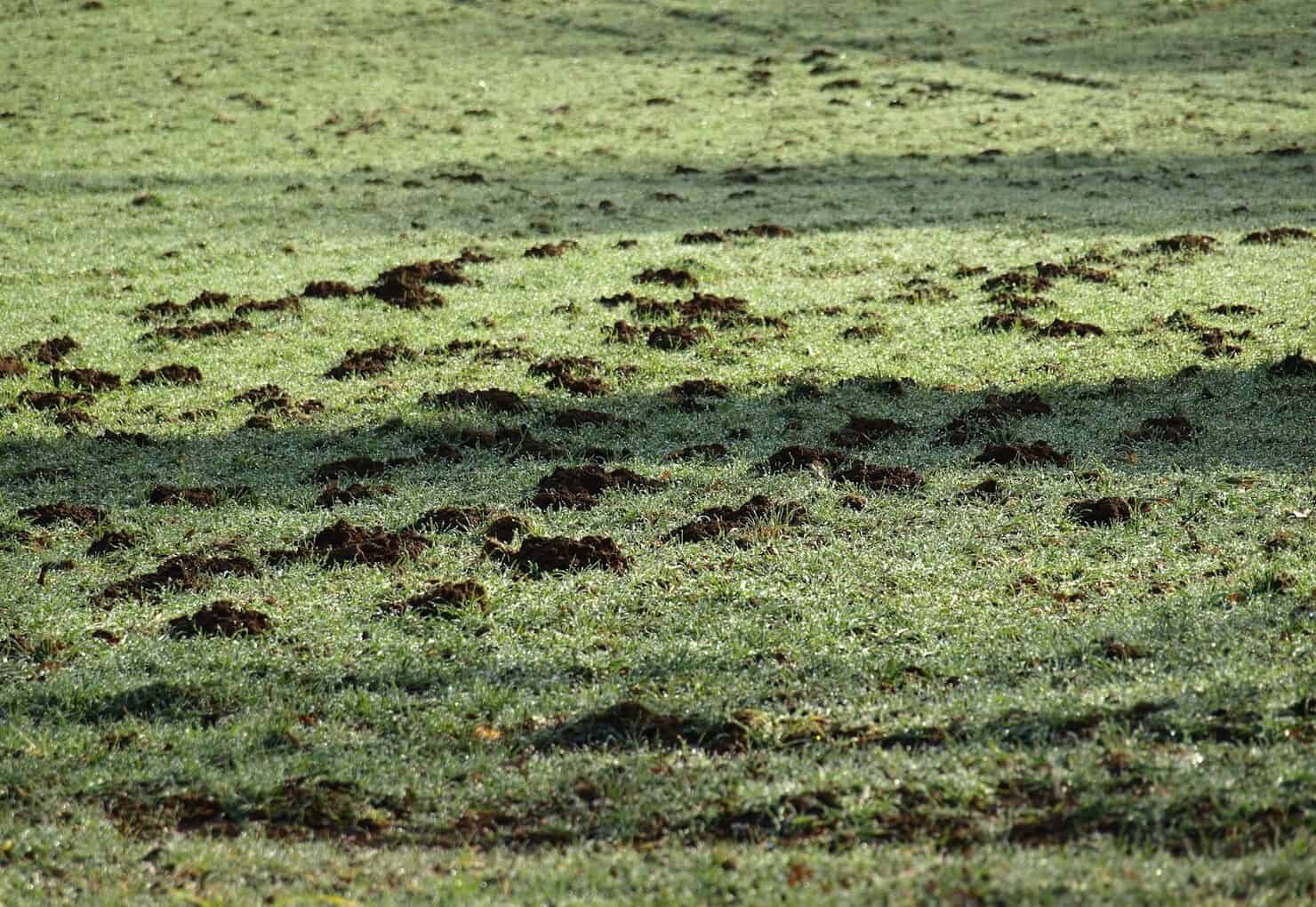
Mole holes in green lawn with scattered leaves, showing pest damage.

When Your Yard Damage Is More Than “Just Moles”

When your lawn starts to look chewed up, it is hard to ignore. You see ridges across the grass, soft spots that sink under your feet, and maybe a spot where someone twists an ankle. You rake, you roll, you patch, and a week later, new tunnels pop up in a different part of the yard.

Many people in Cincinnati and Northern Kentucky burn time and money on things like castor oil, grub control, poison peanuts, pellet baits, and battery-powered gadgets. These products sound good on the label, but Eastern ground moles do not stop just because the soil smells funny or a stake is buzzing in the ground. The food and the soil conditions still win.

When the damage keeps returning, it is not a small problem. It is a sign that active moles are still working under your lawn. Trapping is the only proven way to remove moles, so at some point it makes sense to move past experiments and bring in professional help that is focused on results.

How to Tell If You Really Have Moles

Before you think about mole removal in Cincinnati, you want to be sure you are dealing with moles and not something else. True mole activity has a few clear signs in our area.

Typical mole signs include:

  • Raised surface tunnels that feel like rope under the grass
  • Volcano-shaped dirt mounds, not big open holes
  • Soft, spongy turf right over active runs
  • Tunnels that follow sidewalks, driveways, or landscape edges

Other animals leave very different damage:

  • Voles create open surface runways in the grass and leave gnaw marks on stems and shrubs
  • Groundhogs and rabbits leave large open burrow holes or clipped plants above ground
  • Skunks and raccoons flip sod or leave scattered, cone-shaped dig spots where they hunt grubs

Correct ID matters. If you treat vole damage like a mole problem, you will waste money on mole repellents. If you think a groundhog hole is a mole tunnel, you may buy poison products that do nothing for the real issue and can put pets and non-target wildlife at risk. When you know it is truly moles, you can focus on the one method that actually removes them, which is mechanical trapping.

Clear Signs You Need Professional Mole Removal

Once you know you have moles, the next question is whether you can ignore it or if it is time for professional trapping. A few warning signs make that choice easier.

You likely need expert help when:

  • Tunnels keep coming back within days of stomping, rolling, or re-sodding
  • The damage is spreading from a corner of the yard to beds, trees, and play areas
  • You see new runs after every rain, as the soil stays soft and full of worms
  • You manage a property where trip hazards are a safety and liability concern

Eastern ground moles do not hibernate. They stay active all year in Cincinnati, but many people notice the damage most when lawns green up and irrigation systems start. The grass is growing, the soil is moist, and the mole tunnels stand out like scars. On sports fields, common areas, and commercial entrances, those soft runs turn into real problems fast.

When the yard starts to feel like a sponge, it is no longer just an eyesore. It can mean twisted ankles, complaints from residents, and rough-looking turf that hurts the image of the property.

Why DIY Mole Fixes Fail in Cincinnati Lawns

Most of the people we help have already tried several DIY mole ideas. By the time they call a professional, they have a shelf full of half-empty products that did not fix the problem.

The common failures look like this:

  • Castor oil liquids and scented granules that might push moles a few feet, then they return or pop up in a new spot
  • Sonic spikes and vibrating stakes that buzz away while moles keep feeding right past them
  • Poison peanuts and toxic baits that moles do not reliably eat, which can also be a danger to pets or non-target animals

To understand why these things fail, it helps to know how moles live. Eastern ground moles are insect eaters. They are after earthworms and soil insects, not seeds or peanuts. They travel through a network of deep and shallow tunnels. They move a lot. They are active during every season.

That is why “one-and-done” gimmicks do not work. Even if a repellent bothers a mole for a short time, it still needs to eat, and your moist, cared-for soil is often the best place to do that. Professional trapping is different. Mechanical traps, placed on the right active runs, at the correct depth, and monitored on a set schedule, are designed to actually remove the animals creating the damage.

When Professional Trapping Becomes Cheaper Than DIY

At first, DIY solutions feel cheaper. A bottle here, a bag there, no service visit. But the costs add up in ways many people miss.

Hidden DIY costs include:

  • Repeated fertilizer and reseeding over tunnel areas
  • New sod to cover ridges that just come back
  • Repairing broken irrigation heads and ruts caused by soft ground
  • Buying multiple repellents and gadgets that never solve the underlying issue

For commercial and managed properties, the costs go beyond products. Staff hours spent stomping tunnels, fielding complaints, and documenting issues take time away from other work. Rough, tunneled turf around walkways or on athletic fields can also open the door to injury claims and damage your property’s image.

When a professional trapping program gets moles out and keeps new activity in check, you protect the lawn you have already paid to build. That means fewer callbacks for landscapers, better turf health, and less risk around high-visibility areas like entrances, fairways, and playfields.

What Humane, Mechanical Mole Removal Looks Like

Humane mole removal is not guesswork or spreading chemicals. It is a simple, focused process built around how Eastern ground moles actually behave.

A typical trapping program includes:

  • A full inspection of the property to locate and mark the most active runs
  • Placement of professional-grade mechanical traps on those runs, with zero poisons and zero toxic chemicals
  • Regular checks and adjustments until trapping goals are met and fresh activity stops

Because there are no baits or toxins left in the soil, this approach does not create risk for children, pets, or non-target wildlife from leftover products. The focus is on targeted, humane removal of the specific animals that are tearing up your lawn.

Trap Your Moles is a licensed, insured, and bonded wildlife control company, and we are A+ BBB accredited. We stand behind our work with a clear, written service period, and if mole activity returns during that period, we come back at no additional cost.

How to Time Mole Removal For Best Results

A lot of people are told to wait until fall or to hope the moles will go away on their own. For Eastern ground moles in Cincinnati, that advice does not work. They are active all year, so waiting usually means more tunneling and more repair work later.

Spring growth and regular watering tend to make tunnels very easy to spot, which can be a smart time to tackle the problem before summer stress hits your grass. After a good rain, fresh runs often show up as new raised lines. That is when trapping can be especially effective, because it is easier to find the main travel routes.

On larger properties, such as HOAs, golf courses, and municipal grounds, proactive trapping during shoulder seasons and after big-rain events can catch new activity early. That helps stop moles from spreading into key areas like entrances, playfields, and slopes where damage and safety issues are hardest to fix later.

If your lawn or common areas keep getting torn up after you have already tried the usual DIY fixes, it is time to stop wasting money on repellents and gadgets and get a proven solution. Call (513) 518-5639 for a free estimate.

Protect Your Yard With Safe, Proven Mole Solutions

If you are tired of new mole hills popping up every week, we are ready to help restore your lawn and peace of mind. Our technicians specialize in effective, humane mole removal in Cincinnati tailored to your property and soil conditions. Reach out to Trap Your Moles™ today to schedule a visit or ask questions about your specific situation, or contact us to request a quote.

Why Your DIY Mole Removal in Cincinnati Is Not Working

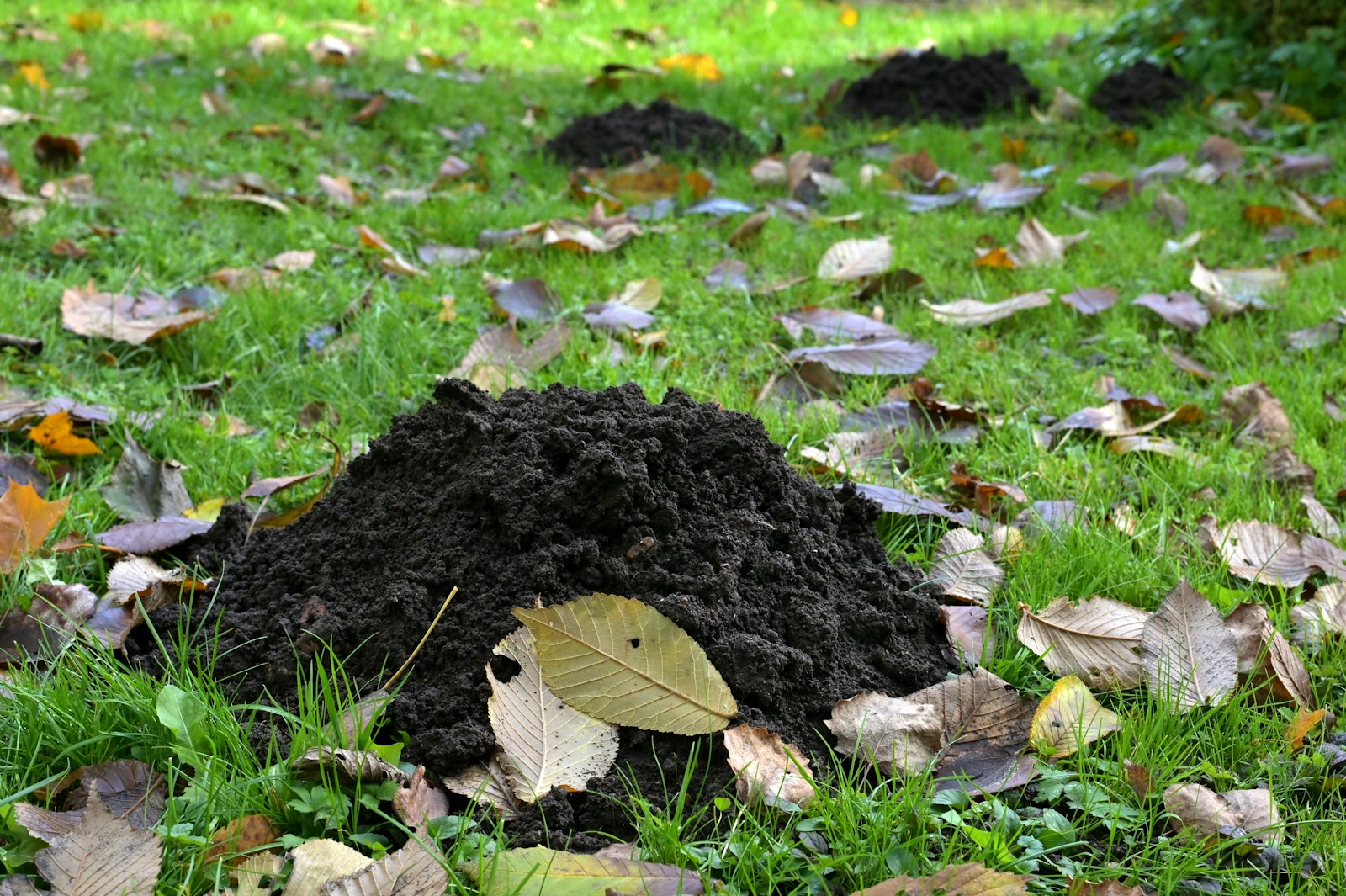
Soil mounds caused by moles in a grassy yard, indicating mole activity.

Why Your DIY Mole Removal Is Not Working

Your lawn is chewed up, soft under your feet, and full of fresh mounds. You keep knocking them down, but they are back a day or two later. You spread castor oil, toss out poison peanuts, maybe even tried those buzzing stakes from the big box store. Still, the tunnels keep coming.

Many people in our area spend money and weekends on home remedies that do nothing long term. Castor oil washes away. Ultrasonic stakes only buzz in one small spot. Flooding tunnels with a hose just makes a mess. While all that is going on, eastern ground moles stay busy underground, wrecking more of your yard. Here is why your DIY mole removal in Cincinnati is not working, what is really happening under the turf, and what it takes to stop it for good.

Why DIY Mole Fixes Fail on Cincinnati Soil

Our local soils are part of the problem. Much of Cincinnati, Dayton, Springfield, and Northern Kentucky has:

  • Softer, well-drained dirt
  • Softer, well-drained dirt
  • Plenty of earthworms and insects
  • Plenty of earthworms and insects
  • Irrigated lawns and landscaped beds
  • Irrigated lawns and landscaped beds

To a mole, that is paradise. Good turf and regular watering make it even better. They are not going to move on just because the soil smells like castor oil for a few days.

Moles build two main tunnel types. The shallow feeding runs are right under the surface, which is why your turf collapses when you step on it. The deeper main tunnels are like highways that connect feeding areas, beds, and routes to other parts of the yard. Most DIY efforts only disturb the shallow runs for a short time. The main tunnels stay intact and the same mole keeps working.

Eastern ground moles are usually solitary, so you are often dealing with one animal or a small number across a property. But each one uses a complex tunnel system. Killing grubs, flooding a few runs, or stomping down raised lines does not remove the mole that is causing the damage. The animal just digs new runs and keeps hunting.

On top of that, high-quality grass, athletic fields, and golf courses are mole magnets. Irrigation brings more worms and soil insects to the surface. That means more food and more reason for moles to stay right where they are. Casual DIY efforts rarely win against that.

The Truth About Repellents, Gadgets, and Poisons

When people get frustrated, they tend to rotate through the same list of products. We see these over and over:

  • Castor oil sprays and granules
  • Castor oil sprays and granules
  • Sonic or vibrating stakes
  • Sonic or vibrating stakes
  • Mothballs in tunnels
  • Mothballs in tunnels
  • Chewing gum or home remedies
  • Chewing gum or home remedies
  • Poison peanuts or pellets
  • Poison peanuts or pellets

These sound good on the package, but they do not match how moles actually live. Smell-based products either never reach the deeper tunnels or are washed out by rain and irrigation. Noise and vibration devices cover only a small radius. In many yards, they barely reach past a few feet of soil. Moles also get used to new sounds and mild vibrations in their environment, so the scare effect fades fast.

Poisons and toxic chemicals bring another problem. They can be risky for kids, pets, and non-target wildlife that might dig them up or eat a treated insect. At the same time, they still do not fix the real issue. Moles eat mostly live worms and insects. Getting them to eat a pellet or peanut in just the right place is hard, especially across a large yard or field.

The core problem with all of these is simple. They hope the mole will leave. For real mole removal in Cincinnati, the only proven solution is to physically remove the animals with trapping.

Why Humane Mechanical Trapping Works

Humane mechanical trapping means using fast kill, professional grade traps that are set directly in active mole runs. No poison, smoke, or gas. The goal is quick, targeted removal of the actual animal causing the damage.

At a high level, the trapping process looks like this:

  • Inspect the property and locate active tunnels
  • Inspect the property and locate active tunnels
  • Identify the main or primary runs
  • Identify the main or primary runs
  • Set traps correctly in those runs and flag them
  • Set traps correctly in those runs and flag them
  • Check and reset traps until activity stops
  • Check and reset traps until activity stops

The key is knowing which tunnels are active and how to place traps so the mole hits them during normal travel. When done right, this method targets the mole itself, not just the raised lines on the surface. Once that animal is removed, new damage stops and the lawn can finally start to recover.

Eastern ground moles do not hibernate. They are active all year, even when it is cool. That means trapping can work in every season. Many people notice damage the most in spring when the grass greens up, and in fall when moles feed heavily before winter. Those are great times to trap, but removal can be successful through summer and winter too.

Why Professional Mole Removal Beats DIY

On a residential lawn, DIY can drag on for months. On a commercial property, HOA, golf course, or sports field, that same delay can turn into serious turf repairs and complaints. Trial and error with repellents and gadgets often costs more in the long run than hiring a specialist who focuses on trapping.

A trained mole trapper reads the ground very differently than most people. Things we look at include:

  • Soil type and moisture
  • Soil type and moisture
  • Age of tunnels
  • Age of tunnels
  • Freshness of mounds and pushed dirt
  • Freshness of mounds and pushed dirt
  • Travel patterns across the property
  • Travel patterns across the property

That information drives accurate trap placement and faster results. Instead of guessing which run is active, a pro follows signs and behavior. That level of skill is hard to match with a weekend of online research.

Professional mole removal in Cincinnati also brings structure and safety. A proper service is licensed, insured, and bonded. It follows local rules for wildlife control and uses methods that fit both residential yards and high-use commercial sites. The focus is always on actual removal, not on short term gimmicks that leave moles in the ground.

What Trap Your Moles Does Differently From Others

Trap Your Moles is a humane, A+ BBB accredited mole and wildlife trapping company serving residential and commercial properties across Cincinnati, Dayton, Springfield, and Northern Kentucky. We focus only on mechanical trapping of moles and similar wildlife. No poisons. No toxic chemicals. Ever. We are licensed, insured, and bonded.

Here is what our typical mole service looks like:

  • Inspect the damaged areas, walk the yard, and map the tunnel network
  • Inspect the damaged areas, walk the yard, and map the tunnel network
  • Find and test for active primary runs
  • Find and test for active primary runs
  • Set and clearly flag traps in those runs
  • Set and clearly flag traps in those runs
  • Return regularly to check, remove, and reset traps
  • Return regularly to check, remove, and reset traps
  • Confirm when all mole activity has stopped
  • Confirm when all mole activity has stopped

Because we never use poisons, our work is designed to protect kids, pets, and non-target animals that share your property. That matters for homes, but also for schools, parks, golf courses, and office parks where people and animals are moving around every day.

We also stand behind our work. If mole activity returns during the service period, we come back and address it at no additional cost. That is not something you get from a bag of castor oil granules or a box of ultrasonic stakes.

Stop Wasting Money and Get Your Lawn Back

If you still see fresh tunnels and new mounds, your DIY mole removal in Cincinnati is not working because it is not removing the moles themselves. As long as those animals are in the ground, they will keep tunneling and feeding, no matter how many times you stomp runs flat or pour things into the soil.

Homeowners, HOAs, property managers, golf course superintendents, and municipal crews do not need another round of repellents, sonic stakes, or home remedies. What you need is a method that fits how eastern ground moles really live in our local soils and seasons. Humane mechanical trapping, done by people who understand mole behavior, is the proven way to get control of your yard, field, or course again.

Call Trap Your Moles at (513) 518-5639 today for a free estimate and get your property back under control.

Protect Your Yard With Expert Mole Removal Today

If you are seeing fresh tunnels or raised ridges in your lawn, our team at Trap Your Moles™ is ready to help restore your property. Learn how our professional mole removal in Cincinnati targets the source of the problem and helps prevent future damage. We will evaluate your situation, explain your options, and create a plan that fits your yard and schedule. To schedule service or ask questions, simply contact us today.

Repairing Lawn Areas Damaged by Mole Activity

Mole Damage

A torn-up lawn can leave any homeowner frustrated, especially after discovering moles have been tunneling underneath the grass. Mole activity can mess with your yard’s appearance and disrupt soil structure, making it hard for your grass and plants to grow properly. While removing the moles is the first step, the lawn doesn’t magically fix itself once they’re gone. You’ll need to get your lawn back in shape to fully recover from the damage.

Fall is the perfect time for these kinds of lawn repairs. With cooler temperatures and more consistent moisture, grass has a better shot at taking root and bouncing back before winter sets in. If you’re seeing uneven ground, patches of dead grass, or tunnels caving in, it’s time to take action. Whether you enjoy handling yard work yourself or prefer to hand it off, understanding the basics of mole damage repair can help you plan the right approach.

Identifying Mole Damage

Mole damage looks different from other lawn issues. If you know what to look for, you can quickly tell whether moles have been at work or if it’s something else like grubs or dry conditions. The most obvious signs are raised ridges that run across your lawn or small volcano-shaped mounds made of pushed-up soil. These are created as moles tunnel underground while looking for food.

Here are a few things that usually signal mole activity:

– Winding ridges or surface tunnels that make the ground feel spongy underfoot

– Lumps or soil piles that appear overnight, often near tunnel entrances

– Dead patches of grass caused by roots being disturbed from below

– Uneven areas of lawn that sink or collapse when stepped on

Unlike insects that chew on roots directly, moles cause damage by digging. They’re mostly after worms and bugs, not your grass. But while they don’t eat plants, their constant burrowing can still kill grass and weaken root systems, leaving your lawn looking rough. If you catch these signs early, it gives you a better shot at reversing the damage before it spreads.

Assessing the Extent of Damage

Once you know moles have torn up your yard, the next step is figuring out how far the damage goes. This will help you decide whether you’re dealing with a few surface tunnels or more widespread destruction. Walk the yard slowly and pay attention to texture and softness. Step carefully along damaged areas and feel for sunken spots or unstable ground that might collapse under pressure. That’s usually a sign that tunnels are just below the surface.

Here’s a simple way to assess the scale of the damage:

1. Start by walking the entire yard and making a map or rough sketch

2. Circle all raised tunnels and visible soil mounds

3. Mark any patches of grass that look stressed or dead. These are often linked to underground paths

4. Use your foot to press gently along ridges. If it sinks or caves in too easily, the tunnel likely needs to be filled in

5. Check for damage around flowerbeds or near walkways where collapsing soil can become a hazard

Taking the time to evaluate the full area helps you avoid wasting time and effort on areas that aren’t affected. Once you understand where the worst damage is, you can move on to getting those specific spots patched up and growing again.

Step-By-Step Lawn Repair Process

After taking care of the moles and figuring out where the damage is, it’s time to get your lawn looking and feeling right again. Lawn repair might sound like a big job, but breaking it down into clear steps makes it manageable. Whether you’re fixing a couple of small patches or a large network of tunnels, the same basic process applies.

1. Collapse and fill tunnels

Use a shovel or the back of a rake to flatten out raised ridges. Step on them carefully to pack down the soil. Then, fill in any sunken spots or larger holes with clean topsoil. This helps prevent tripping hazards and settles the surface before reseeding or laying sod.

2. Loosen compacted soil

Tunneling can disrupt the natural structure of your soil. Before planting anything new, loosen up compacted areas using a garden fork or hand tiller. This gives roots a chance to grow deeper and improves water flow.

3. Add seed or sod

For small patches, grass seed works just fine. Choose seed that matches the rest of your lawn, sprinkle it generously over the repaired spots, and press it into the soil by walking over it or using a tamper. For bigger sections or immediate coverage, use fresh sod. Line it up edge to edge and press it in snug so it can take root.

4. Water gently but often

Keep the area consistently moist for about two weeks. Water in short bursts once or twice a day, just enough to keep the surface from drying out. Don’t drown it, just keep it damp. Once grass starts growing, you can water less often but more deeply.

5. Use soil treatments if needed

If the ground seems tired or lifeless, add an organic lawn booster like compost or a mild fertilizer. Fall is a good time for this, as it supports root growth before winter sets in.

Doing these steps carefully helps your lawn recover faster. Patience pays off, especially when you start seeing green patches take hold and cover the damaged areas.

Preventing Future Mole Activity

Once your yard is patched up, keeping moles from returning should be high on the list. Just dealing with the damage without preventing future problems can turn this into a cycle.

Start by making your lawn less inviting to moles. They’re attracted to loose, moist soil that’s rich in insects. If your yard holds water or stays damp too long, improve the drainage with aeration or soil amendment. Moles don’t like dry or compacted areas, so well-maintained grass is often less appealing to them.

Here are some easy ways to lower your chances of mole issues in the future:

– Don’t overwater. Keep irrigation on a regular schedule and avoid waterlogging the soil

– Keep your lawn mowed, raked, and free of debris so insects have fewer places to hide

– Aerate your lawn once or twice a year to keep it from becoming too soft or spongey

– Watch for new tunnels and react quickly to any signs of digging

It helps to check in on your yard every few days during peak mole seasons like spring and fall. Early signs are easier to manage than a full-blown network of tunnels.

Get Your Lawn Back On Track

Repairing mole-damaged areas may take some effort, but it puts you back in control of your outdoor space. Once you’ve fixed the visible damage and taken steps to discourage future tunneling, your lawn can bounce back stronger than before. Recovery won’t happen overnight, but regular care and attention make all the difference.

Fall is a great window for this work, especially with mild weather helping new grass establish strong roots. Whether you’re dealing with a few ridges or large bare spots, the best time to start is right after mole activity ends. With the right approach and follow-through, you can put the mess behind you and enjoy a yard that’s clean, even, and healthy again.

Repairing a lawn can be a fulfilling project for homeowners looking to restore their outdoor space to its former glory. If you’re feeling overwhelmed by the prospect of tackling mole damage repair, let Trap Your Moles help you reclaim your yard. Our team offers comprehensive services to address all your mole-related issues and keep your lawn thriving. Explore our solutions and take the first step toward a healthy and beautiful lawn.

Where to Place Traps for Maximum Mole Catching Success

ground mole

Moles may be small, but their presence can create some big problems in your yard. Tunnels crisscrossing under the grass, mounds of soil scattered across your lawn, and roots left exposed can be enough to frustrate any homeowner. These underground pests can destroy the look and feel of your outdoor space before you even realize what’s happening. Fixing the damage after a mole has made itself at home is no easy task, and placing traps without a plan might leave you with more work and no results.

That’s why careful trap placement really matters. It’s not just about setting traps anywhere you see a mound. Success comes from knowing where moles move, how they build their tunnels, and which spots give you the best shot at a quick and effective catch. This article covers helpful strategies to choose the best locations for ground mole traps so you can protect your yard with confidence.

Understanding Mole Tunnels

Before you place a trap, it helps to know how mole tunnels work. Moles use two main types of tunnels: surface runways and deeper, long-term routes. Each one plays a different role in the mole’s daily life, so knowing which is which helps you figure out where to target.

Surface runways are right beneath the grass. You’ll usually see them as raised lines stretching across the yard. Moles make them while foraging for food like worms and bugs. These tunnels might only be used once, but they might get rebuilt in areas where there’s plenty to eat.

Deeper tunnels are built farther underground. They’re harder to recognize because they don’t disturb the top layer of soil much. Moles use them all year to travel across their territory and to nest or store food.

Here’s how you can spot and test for active tunnels:

  • Step gently on part of the surface tunnel to flatten it. Check 24 hours later. If it’s raised again, it’s probably active.
  • Look for straight lines with little branching. Moles like to travel along these paths repeatedly.
  • Fresh dirt mounds nearby often signal recent digging.

Knowing where moles are going rather than where they’ve been gives you a big advantage when setting traps. You want to set your trap where the mole is likely to travel again, not just anywhere you notice loose soil.

Best Locations For Traps

It’s common to think molehills are the best spots for traps, but that’s not usually the case. Molehills are often created when dirt is pushed up from deeper tunnels, not from areas where the mole hangs out regularly. The most effective traps go where moles move through often, which is usually inside active tunnels.

Use these tips to pick out the best trap locations:

  1. Choose straight sections of tunnels. These are more likely to be reused than curving or branching ones.
  2. Avoid spots with tree roots, large rocks, or really muddy areas. These obstacles can trigger the trap early or mess up its positioning.
  3. Spread out your traps if mole activity seems heavy. Covering more ground boosts your chance of success.
  4. Mark your locations with small flags or stakes so you can come back easily for checks or resets.

Once you pick your spots, clear away extra soil or grass and make sure the trap blends with the tunnel. It should feel like a normal section of tunnel to the mole. A tightly set, camouflaged trap is more likely to get results.

It’s all about giving your trap the best shot by finding the right tunnel, creating the right setup, and getting rid of anything that might block the mole’s path. A few extra minutes of prep on trap day are well worth the payoff.

Techniques For Setting Traps

After choosing the right tunnel and readying the setup, it’s time to install the trap. There are several choices out there, but scissor traps and harpoon traps are the ones most often used. They work in slightly different ways and need different setups.

Here’s how to set a scissor trap:

  1. Dig carefully into the tunnel until both ends are visible and open.
  2. Clear out loose soil so the tunnel shape stays true, and make sure it’s not collapsed.
  3. Place the trap so the jaws line up directly with the tunnel’s direction.
  4. Press it into place. It needs to be snug so it doesn’t shift or feel out of place.
  5. Cover the hole with a board, bucket, or similar item to block out air and light.

Setting a harpoon trap goes a bit differently:

  1. Look for an active surface tunnel.
  2. Place the trap directly on top, without digging down or disturbing the runway.
  3. Press it in gently to anchor it, but don’t collapse the tunnel underneath.
  4. Arm the mechanism and wait. Watch for movement or signs that the trap has been triggered.

No matter what trap you use, check it daily. If there’s no sign of action after two or three days, move it to a new spot. Also, wear gloves when handling traps. Moles are very sensitive to human scent, and your smell might keep them away.

Setting the trap correctly is just as important as choosing the right location. A well-placed trap will still fail if it’s installed the wrong way. Take the time to follow the instructions, keep safety in mind, and be patient. Moles can be tricky, but careful work tends to pay off.

Seasonal Considerations For Mole Trapping

Mole activity isn’t constant all year. The season can have a big effect on how active they are and how successful your trapping efforts will be. Knowing the timing helps you plan smarter.

Fall tends to be a pretty good time to trap moles. The ground is soft enough to work with, there’s usually more moisture, and moles are busy feeding and getting ready for winter. That makes it easier to find fresh tunnels and place traps.

Some tips for fall trapping:

  • Focus on tunnels along the edges of woods or near gardens. These areas are often mole hotspots during the fall.
  • Look after a rain. Raised runs or new mounds mean fresh movement.
  • Avoid hard clay soil if it’s dry. Moles might be deeper underground when the surface starts to harden.

In winter, shallow activity slows down because of cold temps. Moles dig deeper to avoid the frost. Trapping may not work well until spring arrives and warming soil brings them back up. Spring offers another good window because the soil is thawed, moist, and full of bugs near the surface. Summer trapping can be tougher. The ground might be dry and packed down, making tunnels harder to find and use.

Weather and soil conditions change each year, so keep an eye on your yard. Some areas may stay active longer than others. If you change your strategy depending on the time of year, you’ll have a better shot at catching those unwanted diggers.

Keep Your Lawn Mole-Free with Trap Your Moles

Getting rid of moles doesn’t have to be hard guesswork. The trick is knowing how they move, what their tunnels look like, and how best to set your traps. By learning the signs, setting your traps the right way, and paying attention to seasons, your odds of catching moles go way up.

Mole problems may feel endless, especially when you work hard but see no results. But each time you check a trap or follow tunnel paths, you get closer to figuring out the pattern. Over time, those efforts add up. You begin to see where they travel most, how fresh the soil looks, and which traps actually work in your yard.

Don’t give up after one or two tries. Adjust your plan based on what you see, and stay consistent. It’s that mix of focus, patience, and action that makes your trap placement work. And when in doubt, Trap Your Moles is here to help you take care of the problem the right way.

Struggling with stubborn moles tearing up your yard? Let Trap Your Moles take the hassle out of your hands. Our experience with setting up ground mole traps keeps your lawn looking clean and undisturbed. Reach out today and take back your outdoor space with confidence.

Protecting Your Fall Garden from Mole Damage

Mole Damage

Fall gardens can be full of promise. Cooler temps and rich soil conditions make it an ideal season for growing root vegetables, leafy greens, and late-blooming flowers. But just when you’re settling in to enjoy it, mole activity can quietly take hold. This is the time when those small underground pests get more active, and their behavior can lead to noticeable, and frustrating, damage. Raised tunnels, collapsed roots, and unsightly dirt mounds might show up overnight, threatening all the time and effort you’ve put into your garden.

While summer’s intense heat tends to keep moles deeper underground, fall’s softer soil and cooler air draw them closer to the surface. That means they’re more likely to wander into garden beds while searching for food. Understanding how moles behave this time of year can help you spot early signs and take the right steps before things get out of hand. Knowing what to look for and how to respond can make the difference between a garden that thrives through the season and one that’s left in disarray.

Trap Your Moles focuses on helping property owners through this season with expert yard mole control services that are timely and effective.

Recognizing Mole Activity In Your Fall Garden

Start by observing any changes in the layout or texture of your soil. Moles don’t actually eat plants but their tunneling habits can seriously mess up growing areas. When roots get pushed up or disrupted under the soil, plants can wither or even die. You might also see molehills forming—those familiar, cone-shaped piles of loose dirt—across the lawn or around the garden. These result from deep tunnel digging as moles work through the soil in search of meals like earthworms and bugs.

Here are a few signs that suggest moles might be moving in:

– Soft or spongy ground in your garden beds

– Long, raised ridges that form narrow paths in your lawn

– Fresh dirt mounds with no visible holes

– Plants wilting even though they’ve been well-watered

– Areas where the grass looks sunken or uneven

Most of these signs point to underground tunneling that disturbs soil structure. Catching this early can make a big difference. If you ignore the problem, moles can cause widespread damage that’s tough to reverse. For instance, a bed of spinach can become uprooted from just one tunnel running underneath, stressing those plants and cutting off access to nutrients and water.

Fall gardens face higher risk than other seasons because the soil tends to be loose after harvest or planting. This makes it easier for moles to dig and harder for roots to stay stable. The more familiar you are with what their presence looks like, the faster you can act on it.

Effective Yard Mole Control Methods

Once you’ve seen the signs of moles, the next step is figuring out how to stop them. Moles don’t move in straight lines or stick to regular schedules, so catching them takes the right method and timing. Traps remain one of the most dependable solutions, especially during fall when the soil is soft and mole activity is higher.

Trap placement is key. Your best bet is to place traps on active tunnels. These tunnels usually feel firm and bounce back when stepped on, as opposed to older, unused ones that stay flattened. Wearing clean gloves when setting traps can help avoid leaving a scent that might warn the moles away.

You might be tempted to fix things on your own, but controlling moles takes more than tossing out a trap or two. Their patterns shift all the time. Mole control often takes consistent effort, experience, and patience. Since fall is a narrow window before winter, acting quickly matters. The longer they stay, the more they can ruin your garden beds and yard.

If you’re finding new tunnels after trying basic setups, it might be time to involve professionals. A trained mole control service understands tunnel behavior and how to break up travel paths quickly. This leads to a better outcome with less trial and error. With a more targeted and skillful approach, you stand a better chance of protecting what you’ve planted and avoiding repeated frustration.

Damage Prevention Techniques For Fall Gardens

Stopping mole damage before it starts is far easier than trying to fix soil and plant stress after the fact. No method can guarantee moles won’t come around, but you can reduce how welcome your garden seems to underground pests.

Try these steps to make your garden less appealing to moles:

– Clean up ripe or rotting produce that might draw in bugs, a mole’s main food source

– Limit watering to avoid making soil overly moist, which can attract earthworms and increase mole interest

– Use raised beds to create a physical barrier that makes tunneling more difficult below the surface

– Plant densely or use species with strong roots to slow down tunneling under garden beds

– Install underground mesh or wire to block digging under specific areas like vegetable plots

Some people also use castor oil-based sprays or other natural repellents for short-term effects. These can be useful in combination with other steps but shouldn’t be viewed as primary solutions. The best prevention still relies on reducing food sources and having a reliable trapping method available.

Tips To Keep Your Garden Strong Through Fall

Beyond mole prevention, general garden health will help your plants stay strong and balanced through the season. Fall brings cooler weather and reduced daylight, so every small step makes a difference.

Start by choosing crops and flowers suited for fall. Hardier vegetables like carrots, kale, spinach, and beets often do better in cooler soil. Fill your beds with plants that don’t mind chilly nights and can handle short days. Use rich, well-drained soil but avoid letting it get too loose or overly watered.

Make it a habit to check your garden every few days. These short inspections can help you catch trouble before it spreads. Look for signs of tunneling, wilting, bug buildup, or uneven ground. Tackling little problems early saves you bigger work later.

Good mulching adds a layer of warmth to the soil while helping control moisture and keep weeds out. Use straw, bark, or shredded leaves and apply mulch in even layers, keeping it away from plant stems or root crowns. This prevents rot and keeps temperature levels more even as nights get cooler.

When you combine smart planting, regular upkeep, and preventive habits, your garden has a better shot at staying healthy. That foundation helps reduce the chances that moles or other pests take over.

Keep Your Fall Garden Mole-Free with Trap Your Moles

Mole control this time of year matters more than you might think. Their activity increases in fall when soil conditions are just right, and if you wait too long, their digging can create lasting problems. Root systems get lifted, plants weaken, and soil starts to shift in ways that throw everything off balance.

Getting ahead of mole problems can make all the difference. Early action not only prevents damage to your vegetables and flowers but also saves hours of frustration and costly repairs to your yard.

At Trap Your Moles, we understand how these pests operate and why fall mole control makes your planting efforts worthwhile. Our targeted yard mole control services are geared to stop damage before it spreads. If you’re already seeing tunnels or uneven spots, now’s the right time to act and keep your garden thriving.

If mole activity is starting to undo the hard work you’ve put into your garden, it’s a good time to bring in reliable help. Trap Your Moles offers the experience and tools to take charge of the problem with effective yard mole control. Let our team handle the digging so you can focus on enjoying a healthier, more peaceful outdoor space this fall.

Which Mole Traps Work Best for Different Soil Types?

Mole

Mole traps work, but only if they’re used the right way. One important part of successful mole control is knowing how well a specific trap type matches the soil it’s being used in. Not all soil is the same, and the way moles tunnel through it changes things. Soft, dry soil behaves differently than packed, sticky soil. If you’re relying on the wrong trap for your yard’s soil, you’ll probably end up wasting time and energy without seeing results.

Understanding how your soil works with each kind of mole trap can make a big difference. It’s not just about placing a trap and hoping for the best. It’s about setting something that actually works with the kind of ground moles are digging through. That’s the secret to catching them before they make a bigger mess of your yard or garden. Whether your ground is dry and loose or damp and dense, trap effectiveness depends on using the right tool for the job.

Understanding Soil Types and Their Challenges

Before picking a mole trap, first get familiar with the kind of soil you’re working with. Soil types play a big role in how moles move, dig, and nest. Each one creates specific challenges when you’re trying to catch them, and missing those details can throw off your whole trapping plan.

Here are the three main soil types you’re likely to run into, along with some of the issues each one brings when setting mole traps:

1. Clay Soil

– This kind of soil is dense and heavy. It packs tightly, especially when wet, making it harder for moles to dig down fast. Traps need to be sturdy and stay set without shifting when the clay moves with water or heat.

– Since clay can form a crust, surface tunnels may be closer to the top than in other soil types. That makes proper trap placement even more important.

2. Sandy Soil

– Sandy soil is loose and dry. It shifts easily and doesn’t hold its shape, which means traps can get dislodged or collapse in on themselves if not carefully placed.

– Moles tend to dig deeper tunnels to avoid dry air at the surface. That means finding active runs in sandy areas can take more work.

3. Loamy Soil

– Loam is a balanced mix of sand, silt, and clay. It’s soft and holds shape well, making it ideal for digging and trapping.

– Moles thrive in loam because living and feeding is easier. The downside for homeowners is more activity, which means you need reliable traps that can stand up over time in well-used tunnels.

Knowing your soil type can save a lot of frustration when your goal is to trap moles quickly. Each brings its own challenge, whether it’s trap stability, tunnel visibility, or proper depth.

Best Mole Traps for Clay Soil

Clay soil isn’t easy to work with, especially when it comes to mole control. The thick, heavy texture makes it harder for some trap types to perform well. But the good news is, there are traps designed to deal with these dense conditions.

For clay-heavy yards, here’s what works best:

– Scissor traps: These are solid and hold firm, even when the clay shifts or swells with moisture. They rely on steady pressure and can sit tightly in the tunnel without tipping.

– Choker loop traps: A good pick when tunnel space feels tighter. These are especially useful when you need the trap to react quickly without moving out of place.

Here are some tips when using traps in clay:

– Dig carefully when placing traps. Clay tends to form a hard crust near the surface, and rough digging can collapse the tunnel.

– Wait for a dry stretch. Saturated clay pulls in more moisture and softens up, which might keep the trap from triggering cleanly.

– Look for straight, clean tunnels near feeding areas. Moles in clay soil often reuse reliable same-depth runs, which makes it easier to find active spots.

Let’s say you notice moles showing up again and again in the same section of your backyard. If it’s heavy clay, their tunnels could be within the top 6 inches of soil, moving around older roots or rocky patches. Setting a heavy-duty trap directly on those runs, once they’re active, usually brings better results than setting multiple lightweight ones across a wider space. You just have to pick the right kind built to grip and maintain pressure.

Best Mole Traps for Sandy Soil

Sandy soil behaves differently than clay. It doesn’t stick together well, which means it shifts easily under pressure. That makes trapping tougher. Moles in sandy soil tend to dig deeper tunnels since the surface dries out quickly. These tunnels collapse more easily, and it’s harder to get a trap to stay in place. If your soil feels gritty and doesn’t hold its shape after squeezing it in your fist, there’s a good chance it’s sandy.

For sandy ground, traps need to be lightweight but stable. Try using:

– Plunger-style traps: These traps work well because they activate easily and don’t need to grip tight soil to be effective.

– Low-tension traps: A gentle trigger is better here, since a heavier trap might tip over or get buried when the dirt shifts.

Trapping in sandy soil can feel like trying to build a sandcastle during high tide. It keeps falling apart if you’re not quick and careful. But with the right steps, you can make trapping work.

Keep these points in mind:

– Pack the area around the trap firmly. Even though the soil is light, giving the trap a solid base helps it stay in place once set.

– Avoid trapping right after watering or rain. Wet sandy soil becomes unstable, and tunnels might collapse before the trap gets triggered.

– Look for feeding tunnels that run close to active garden beds or lawn edges. Moles in sand still follow food, and finding those paths saves you time.

If you notice trails near the sunny edge of your patio where the soil dries out fast, that’s a good clue moles might be digging deeper below. Be patient, press down carefully, and don’t rush placement. In soft dirt, it’s better to take extra time to find the proper run than to guess and miss.

Best Mole Traps for Loamy Soil

Loam is about as mole-friendly as soil can get. That also means it’s where you’ll usually find the most complex tunnels. With enough moisture, just the right balance of air, and room to dig, moles thrive in these conditions. The good news is that loamy soil tends to hold its shape well, and that works in favor of the person setting traps.

Here’s what usually works best in loamy conditions:

– Scissor traps: Easy to place in firm yet soft soil and reliable for clean catches.

– Harpoon-style traps: Good if tunnels are near the surface, since these don’t require deep digging.

Some helpful tips when working with loamy soil:

1. Make sure tunnels are active. With so much digging space, moles often leave behind older, unused runs. Press down on ridges and return later to check if they’ve popped back up.

2. Use gloves when setting traps. Loamy soil holds scent well. Touching traps with bare hands can leave behind your smell, and that might throw off your results.

3. Place traps on straight sections of tunnel, not along curves. That gives the trigger a better chance of working when the mole comes through.

Let’s say you’re working with a loamy backyard in mid-September. Temperatures are starting to cool, but roots and insects are still active below the surface. Moles will ramp up tunneling before the season shifts too far into fall. Setting traps during this time, especially near garden plots or tree roots, can stop the problem before it picks up speed.

Ensuring Successful Trapping in Any Soil Type

No matter what kind of soil you’ve got, a few general steps can help make mole trapping more effective. It’s easy to blame the trap when things go wrong, but more often it’s how and where it’s placed that makes the difference. Even the best tool won’t help if it’s not on the right tunnel or checked regularly.

Make the most out of your trapping efforts by keeping these tips in mind:

– Always confirm tunnel activity before setting traps. Flatten small sections of tunnel and return in 24 hours to see if it’s been rebuilt.

– Don’t rush placement. Moles move in patterns, and their paths often repeat in areas with steady food. If one tunnel isn’t working, don’t be afraid to move the trap.

– Check traps daily. A clogged trigger or collapsed tunnel can prevent them from working correctly, especially in sandy or wet conditions.

– Avoid disturbing the tunnel too much. When placing a trap, use tools to keep the shape of the tunnel intact as much as possible.

Even the perfect trap needs a bit of help from good timing, patience, and steady placement. If you’re still having trouble, the soil alone might not be the issue. Sometimes what you really need is expert help from someone who lives and breathes mole behavior.

Protect Your Yard from Moles with the Right Traps

Learning what kind of soil you’re working with can change the way you tackle mole problems. Each type comes with its own challenges, but with the right trap and setup, you can improve your chances of catching these pests before the damage piles up.

Whether you’re dealing with soft sand or thick clay, moles won’t wait for you to figure things out. A little knowledge on which trap works best and why makes a big difference when you need results. Finding the right match for your soil is a solid first step.

Make sure your traps work as effectively as possible by understanding the soil type in your yard and how it affects your trapping strategy. If you’re looking for dependable ways to protect your lawn from damage, learn how effective mole trapping can be when backed by expert support from Trap Your Moles. Keeping your outdoor spaces healthy and mole-free starts with the right approach.

Installing Underground Barriers to Block Mole Entry

Mole Barrier

Moles may be small, but they can wreak havoc across a property in no time. Their underground activity leaves behind soft ridges in the grass, dirt mounds, and damaged root systems, making it clear that something is invading your yard. Once they begin tunneling, it becomes tough to manage the issue without installing a solution that directly blocks their path.

Underground barriers offer a long-lasting way to keep moles out. These physical walls go below the soil, making it difficult—if not impossible—for moles to tunnel into target areas like gardens and plant beds. A proper mole barrier installation doesn’t hurt the animals but does protect your lawn from further destruction. If you want an option that works year-round, this method is one of the most effective choices.

Understanding Moles And Their Impact

Moles live most of their lives below ground, digging constantly in search of bugs and insects. They create a network of shallow tunnels just beneath the surface, and this constant movement can lead to widespread lawn issues quickly. Even if only one or two moles are active in the area, the damage tends to multiply fast.

Here are common indicators that moles are digging under your property:

– Soft, uneven ground that feels spongy underfoot

– Dirt piled in small cone shapes across the yard or garden

– Yellowing patches of grass or drooping plants caused by disturbed roots

While moles aren’t after your plants for food, their digging has consequences for the entire landscape. Uprooted plants, dried-out patches, and exposed tunnel entrances aren’t just hard to look at—they also affect how safe and functional your yard is for your family and pets. Uneven ground can make maintenance and playtime a bit risky, especially if new tunnels pop up week after week.

Moles also create an opportunity for other critters, like voles, to follow their paths deeper into your yard. And unlike moles, voles do chew on roots, bulbs, and greenery. This makes the presence of moles doubly frustrating since their activity opens the door to even more problems.

Types Of Mole Barriers

Dealing with moles effectively means picking the right kind of barrier. Not every technique works the same, and your choice depends on your yard’s layout and how long you’d like the solution to last. There are three main types of mole barriers: physical, sonic, and electronic.

Physical barriers are usually the best bet. These include:

– Hardware cloth: A heavy-duty metal mesh that can be placed around garden beds or paths

– Steel sheeting: Durable and long-lasting when run alongside buildings or fences

– Mesh-covered landscaping fabric: A lighter option that helps support other control efforts

These are installed underground and block moles from being able to dig through. Once placed properly, they stay put for years and don’t need to be powered or monitored.

Sonic and electronic barriers work differently. They produce vibrations or sounds designed to bother moles enough to move them along. Some homeowners see quick improvement, but these devices aren’t always dependable. Moles may ignore them, soil conditions can affect performance, and they usually need regular attention or battery changes.

If you’re looking for a method that lasts long and doesn’t depend on guesswork, physical options stand out. Just make sure they’re deep and strong enough to handle determined digging behavior.

Steps To Install An Underground Mole Barrier

With the right material chosen, you’re halfway there. The second part—installing it properly—is just as important. If the barrier isn’t placed deep enough or if you leave open gaps, moles may find a way around it.

Start by walking your yard and deciding the zones that need the most protection. This could be a vegetable garden, flowerbeds, or frequently used paths. Once you know the coverage area, follow these steps:

1. Dig a trench at least 24 inches deep. Some yards with looser soil may need deeper trenches.

2. Line the trench with a strong material like hardware cloth or steel.

3. Extend the top edge of the barrier a few inches above ground level. This discourages moles that surface.

4. Bend the bottom edge outward at a 90-degree angle to form an L-shape. This helps stop moles from burrowing underneath.

5. Fill the trench back in and pack the soil firmly to hold the barrier in place.

It may take some time, especially in larger areas, but this investment typically pays off. Raised garden beds are perfect candidates for full enclosures. Wrapping them entirely with hardware cloth and anchoring it well below the soil surface keeps roots safe and limits future intrusions.

If you’re unsure about how deep to dig or what barrier type pairs best with your soil type, speak with a mole control expert familiar with your region. The best materials still won’t do their job if they’re not installed the right way.

Maintaining Your Mole Barrier

Getting the barrier in the ground doesn’t mean you’re finished. Keeping it effective takes some routine monitoring and basic upkeep. Over time, soil shifts, tree roots grow, and weather events can loosen or damage sections of the barrier.

Here are a few steps to keep it working year after year:

– Inspect the protected zones twice a year

– Watch for new tunnels or mounds nearby that may show barrier breaches

– Look for soft earth or new gaps that hint at washed-away soil or settling

– Patch damaged or weak spots right away using matching barrier material

– Plant ground cover or install mulch around the barrier edges to keep soil packed in place

Yards that are newly landscaped or recently regraded may need extra monitoring during the first year, as settling happens faster. After that, a quick seasonal check each spring and fall is usually enough.

If your barrier borders a fence or structure, use that spot as a visual reference and include it in your regular yard care circuit. It’s easy to glance at while mowing, raking, or tidying up around the house.

You can even make upgrades that double as visual appeal—adding stones, edging blocks, or low plants along the barrier lines makes them blend in better while offering one more layer of protection.

The Long-Term Payoff of Burying the Problem

Installing a mole barrier isn’t just a short-term fix. When done right, it can keep some of the most sensitive parts of your property protected from underground damage. You get to avoid the constant pattern of repairing soil, replacing plants, and re-leveling sunken areas.

Barrier installation works well around high-priority zones like lawns, gardens, patios, and walkways. While it won’t guarantee that moles never reach other parts of your yard, it gives you control where it matters most.

If moles have already made themselves at home, consider working with a professional to trap and remove them before installing anything. Stopping the current activity lets the barrier do its job without immediately getting challenged by a fresh wave of tunneling.

Once the ground is secure, the payoff becomes clear, and the peace of mind is noticeable. Protecting what you’ve planted and planned for is always worth the effort.

Protecting your yard from determined moles can transform how you enjoy your outdoor space. If you’re ready to take control, explore how mole barrier installation with Trap Your Moles can help defend your lawn from future mole disturbances, ensuring it remains pristine and safe for everyone.